
The Trillion-Dollar Threshold: Unpacking the Arrival of the World’s First Trillionaire
The world stands on the precipice of an unprecedented economic milestone: the emergence of its first trillionaire. This isn’t a distant fantasy but a near-term reality, with tech visionary Elon Musk leading the charge, potentially reaching this staggering sum as early as 2027. But what does it truly mean when an individual’s net worth eclipses the trillion-dollar mark, and what ripple effects will such concentrated wealth have on global commerce, society, and the very fabric of human equity?
The Unfathomable Scale of a Trillion Dollars
To grasp the magnitude of a trillion dollars is to confront a figure that defies easy comprehension. Equivalent to a million millions, this sum could, for instance, cover the combined market capitalization of tech giant Apple ($AAPL) and fast-food titan McDonald’s ($MCD). Alternatively, it could acquire every single residential property across San Diego County, a sprawling urban landscape. For sports enthusiasts, it represents enough capital to purchase tickets to every football game at the University of Nebraska’s Memorial Stadium – with its 93,000-fan capacity – for the next 400 years, even if the Cornhuskers played daily.
The Race to the Trillion-Dollar Mark
Elon Musk: The Frontrunner
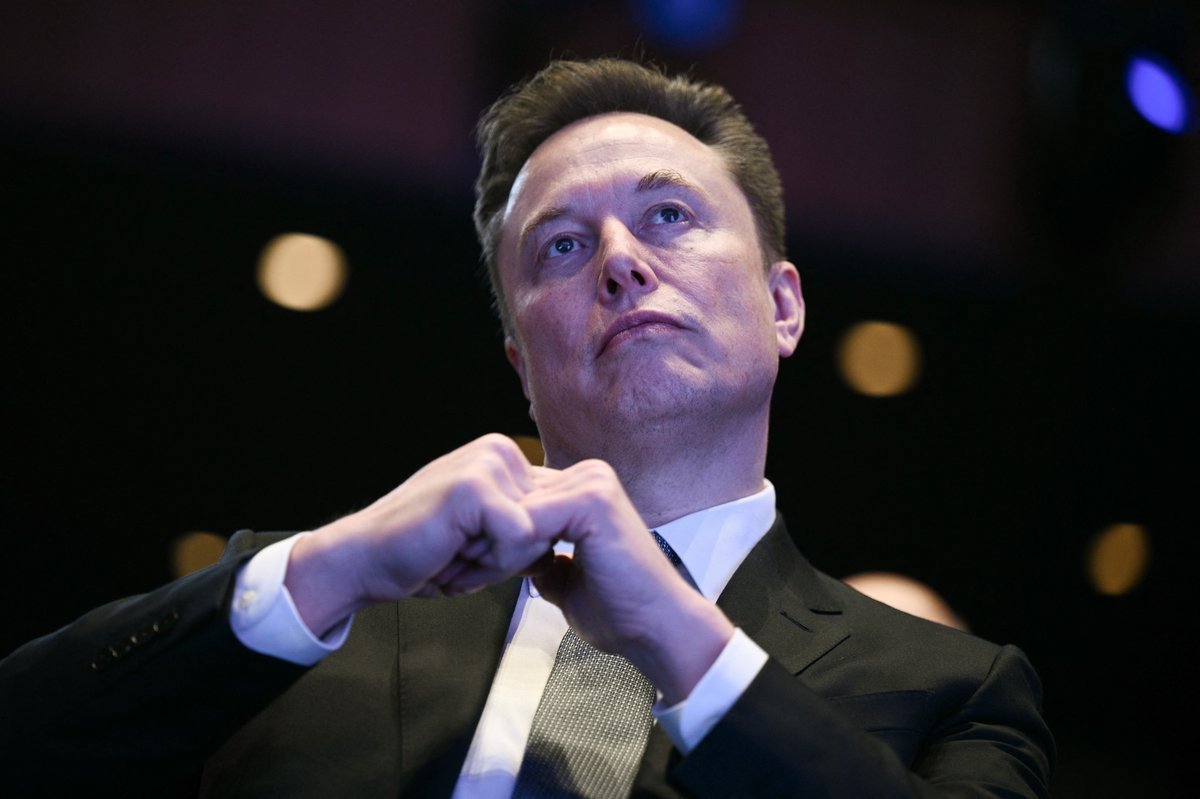
The prospect of Elon Musk becoming the world’s first trillionaire is gaining significant traction among economists and on social media. His path to this historic wealth level could materialize through several avenues. A public offering of his aerospace company, SpaceX, at a valuation of $1.5 trillion, or Tesla ($TSLA) achieving the ambitious performance incentives tied to his massive, shareholder-approved pay package, could propel him past the threshold.
Other Contenders in the Wealth Arena
Musk is not alone in this exclusive race. Other titans of industry are also positioned to potentially join the trillion-dollar club in the future. Amazon ($AMZN) founder Jeff Bezos, Nvidia ($NVDA) CEO Jensen Huang, and Indian industrialist Gautam Adani, chairman of the Adani Group, are all formidable contenders, though Musk currently holds the strongest lead for a 2026 or 2027 breakthrough.
Profound Implications: A Societal Reckoning?
The existence of a living individual possessing $1 trillion in personal wealth is poised to send shockwaves across global commerce, finance, culture, and human equity. The most significant impacts are expected to resonate within the working realm, potentially triggering widespread societal introspection.
Exposing a Fundamental Imbalance
The rise of a trillionaire like Elon Musk or Jeff Bezos could ignite a substantial societal backlash, fueled by economic equity organizations and prominent thought leaders. David Himelfarb, managing partner at Toronto-based Himelfarb Proszanski LLP, articulates this concern: “The prospect of a trillionaire emerging as early as this year… isn’t just a remarkable economic milestone; it’s a warning sign about the fundamental imbalance in how we value work in our society.”
Himelfarb further emphasizes the moral dilemma: when an individual can amass a thousand times more than a billion dollars through strategic leverage and equity ownership, while countless workers face hardship after career-ending injuries, society faces a profound moral question about its core values.
Shining a Light on Executive Compensation
Experts in corporate compensation suggest that the emergence of a trillionaire will starkly highlight the growing chasm between executive wealth and the realities of worker pay. Ed Gibbins, co-founder at ChaseLabs, an AI-powered B2B sales development company, notes, “It highlights a system where equity appreciation rewards ownership far more than contribution, particularly for workers whose wages remain tied to local labor markets rather than global capital flows.” He clarifies that this isn’t merely about excessive CEO earnings but about who participates in wealth creation at scale.
Gibbins observes that while corporate boards face rhetorical pressure regarding executive pay, their actions often prioritize pragmatism over restraint. He predicts that “AI adoption and weaker labor protections will likely intensify worker executive tension, not because workers oppose innovation, but because productivity gains are not being shared in a way that feels credible or fair.”
The Elusive Nature of Individual Trillionaires
Despite the colossal fortunes accumulated by figures like Musk, Bezos, and Huang, a rapid proliferation of individual trillionaires is not anticipated. Reaching this summit remains an extraordinary challenge.
Gordon Cummins, CEO of Cudio, an enterprise resource planning firm, explains, “Company values can scale faster and cleaner than personal fortunes because individual stakes get diluted and constrained.” To personally achieve $1 trillion, an individual would likely require significant exposure (15-25%) to a multi-trillion-dollar platform, alongside substantial holdings in other major successes, all while minimizing forced sales.
Furthermore, established norms around governance, taxation, and diversification typically cap individual income and wealth accumulation. This is why even founders of $3 trillion businesses rarely approach the trillion-dollar personal net worth threshold. While the AI cycle may make $4 trillion companies more common, compounding individual net worth to $1 trillion remains an exceptionally rare feat.
For more details, visit our website.
Source: Link