
Beyond the Drone Age: The Unyielding Reality of the Infantryman’s Fight
In an era increasingly defined by remote-controlled warfare and autonomous systems, a stark reminder emerges from the front lines: the human element of conflict, with all its grit and grime, remains stubbornly central. A British officer recently articulated this enduring truth, suggesting that despite the revolutionary impact of drones, infantry soldiers will continue to find themselves battling in the most primitive and unforgiving environments – the muddy holes of the battlefield.
The Drone Revolution: A Aew Era of Warfare?
The advent of unmanned aerial vehicles (UAVs), commonly known as drones, has undeniably reshaped the modern battlefield. From reconnaissance and surveillance to precision strikes and even logistical support, drones offer capabilities that once seemed like science fiction. They provide an ‘eye in the sky,’ offering commanders unprecedented situational awareness and enabling engagements with reduced risk to human life. This technological leap has, for many, painted a picture of future conflicts fought predominantly by machines, from a safe distance.
The View from the Trenches: Enduring Realities
However, this high-tech narrative often overlooks the fundamental, visceral reality of ground combat. The British officer’s comments cut through the hype, emphasizing that no matter how sophisticated the aerial assets become, the ultimate control of territory, the clearing of complex urban environments, and the direct engagement with an enemy often still fall to the soldier on foot. These tasks demand presence, adaptability, and resilience that current technology cannot replicate.
Why Muddy Holes Persist: The Irreplaceable Human Element
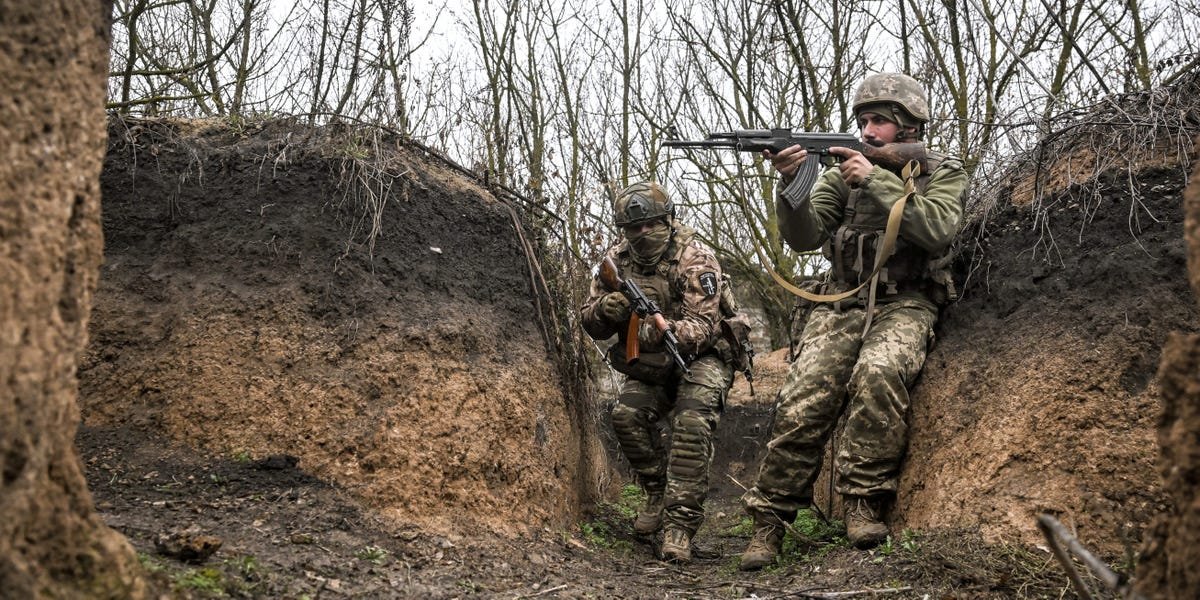
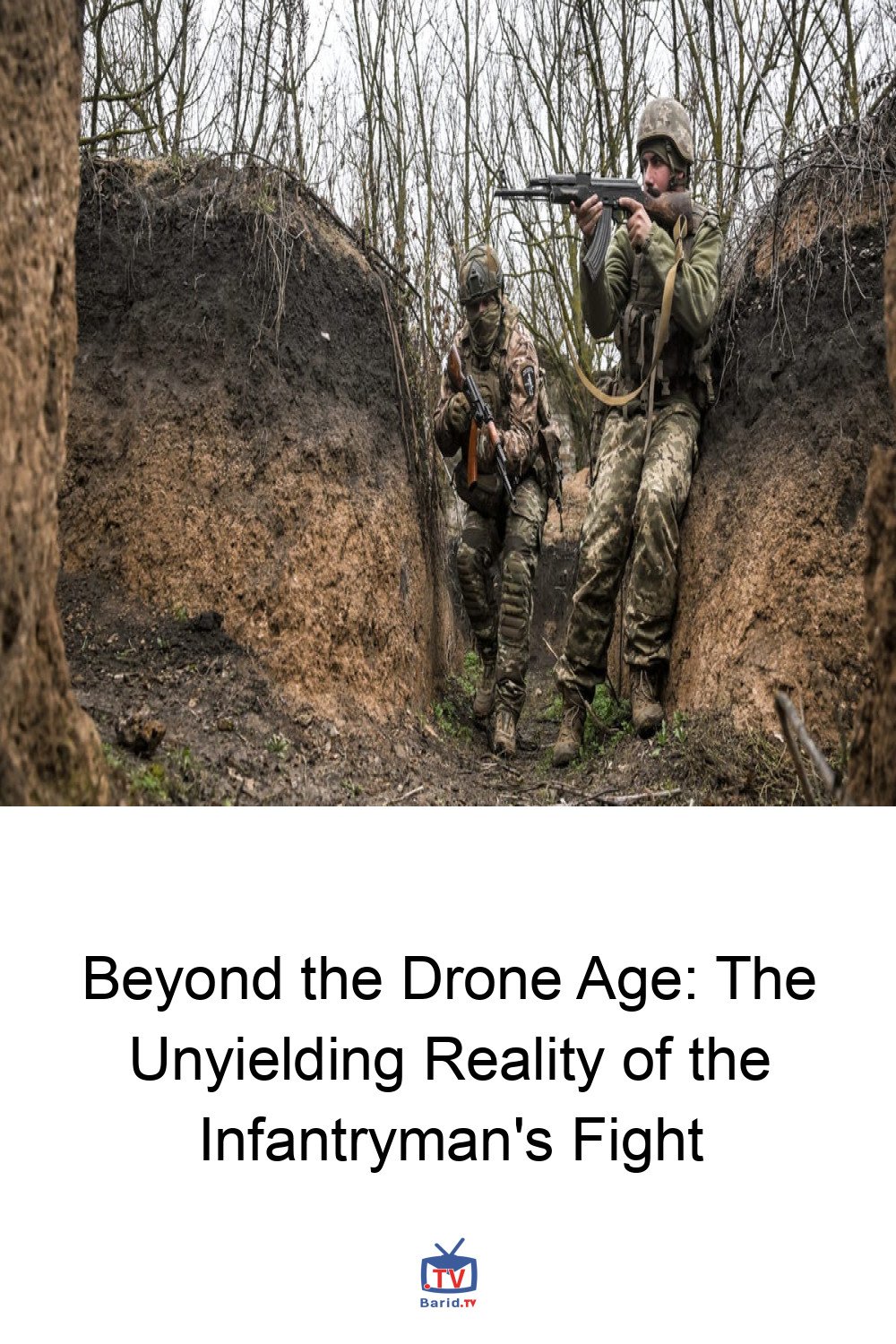
The ‘muddy holes’ are a powerful metaphor for the harsh, unpredictable, and often brutal conditions infantry face. They represent the trenches, the foxholes, the rubble-strewn streets, and the dense forests where human courage, endurance, and tactical acumen are paramount. Drones can spot targets, but they cannot hold ground, provide humanitarian aid, or engage in the nuanced, face-to-face interactions that define counter-insurgency or peacekeeping operations. The human soldier brings judgment, empathy, and the ability to adapt to unforeseen circumstances in ways no algorithm can.
Adapting to a Hybrid Battlefield
The challenge for modern militaries, therefore, is not to choose between drones and infantry, but to effectively integrate them. Infantry units must be trained to operate seamlessly with drone support, leveraging aerial intelligence for enhanced protection and targeting. Simultaneously, they must remain proficient in the traditional arts of ground warfare, understanding that technology is a force multiplier, not a replacement for the fundamental skills of a soldier. The future battlefield will be a hybrid one, where cutting-edge technology meets the timeless demands of close-quarters combat.
Ultimately, the British officer’s observation serves as a crucial reality check. While drones undoubtedly transform the landscape of war, they do not erase the fundamental, often grim, reality of the infantryman’s fight. The muddy holes, it seems, are here to stay, a testament to the enduring, irreplaceable role of the human soldier.
For more details, visit our website.
Source: Link