
AstraZeneca’s Strategic Pivot: Balancing Western Markets with Eastern Innovation
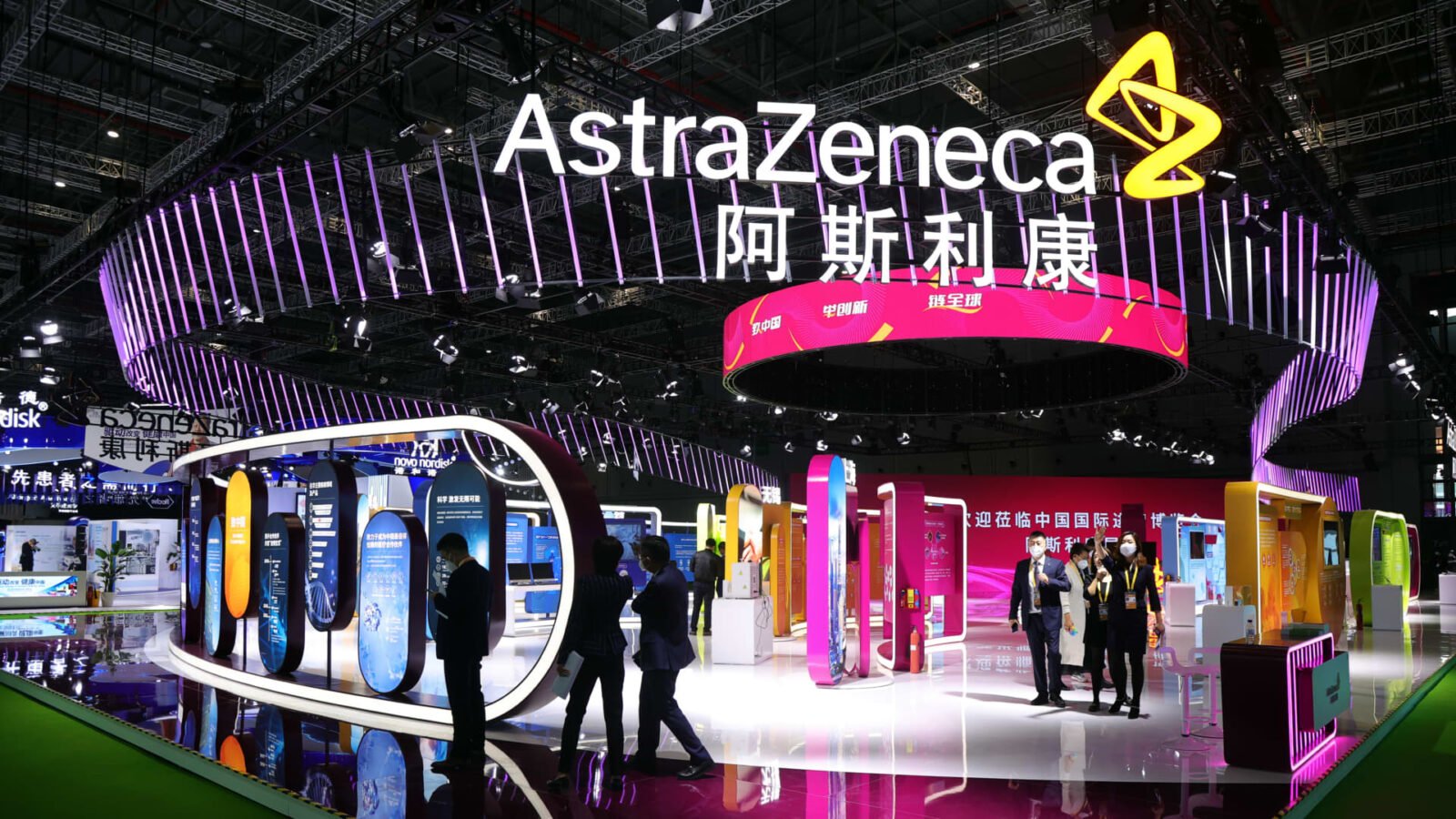
In a bold move reflecting the evolving landscape of global pharmaceuticals, AstraZeneca is making significant strategic plays on both sides of the world. The pharma giant recently announced its intention to list shares on the New York Stock Exchange (NYSE), a clear signal of its commitment to the lucrative U.S. market. Simultaneously, the company is doubling down on its investments in China, pouring billions into the region and forging crucial partnerships to tap into its burgeoning biotech innovation.
The American Anchor: Strengthening Ties with the U.S. Market
AstraZeneca’s decision to list on the NYSE, effectively ending its American Depositary Shares (ADS) program, underscores the paramount importance of the United States. As the largest market for pharmaceutical products globally, the U.S. represents a significant portion of Big Pharma’s revenue and profits. This direct listing is designed to enhance investor engagement and boost investment in a region critical to the company’s financial health. Furthermore, the company has reportedly committed a substantial $50 billion U.S. investment, signaling a long-term dedication to navigating the complexities of the American pharmaceutical landscape, including potential tariff challenges.
Looking East: China as an Innovation Powerhouse
While the U.S. remains AstraZeneca’s largest market, China is rapidly ascending in strategic importance, becoming the company’s second-largest market. Facing an impending ‘patent cliff’ – where blockbuster drugs are set to lose patent protection in the coming years – pharmaceutical companies are under immense pressure to innovate and develop new revenue streams. China, with its dynamic biotech scene and supportive innovation policies, is emerging as a vital hub for this next wave of drug discovery.
AstraZeneca’s commitment to China is substantial: a planned $15 billion investment through 2030 aimed at expanding both manufacturing capabilities and research and development efforts. This commitment was highlighted during a historic visit by UK Prime Minister Keir Starmer, underscoring the geopolitical significance of these economic ties. The company emphasized that these investments are designed to “span the value chain, from drug discovery and clinical development to manufacturing, and bring Chinese innovation to the world.”
Strategic Partnerships: Fueling Future Growth
A key aspect of AstraZeneca’s China strategy involves strategic collaborations with local biotechs. A notable example is its partnership with Hong Kong-listed CSPC Pharmaceuticals to bolster its obesity drug portfolio. This collaboration, valued at an initial $1.2 billion upfront with potential for an additional $17.3 billion based on milestones, includes eight of CSPC’s preclinical and early-stage programs, such as a promising once-monthly injectable. This move reflects a broader industry trend, with licensing deals between Big Pharma and Chinese biotechs sharply increasing in recent years, reaching 57 such agreements in 2025 alone.
This dual-pronged strategy, balancing deep engagement with the established U.S. market and aggressive pursuit of innovation in China, positions AstraZeneca for future growth. As Camilla Oxhamre, portfolio manager at Rhenman & Partners, noted, “the US and China will be the two most important regions for the company for the foreseeable future.” This sentiment is echoed by HSBC’s Rajesh Kumar, who suggests AstraZeneca’s actions clearly demonstrate its commitment to China, especially in light of past regulatory probes. The imperative to replace expiring patents, coupled with pricing pressures in the U.S., makes China’s “hot biotech scene” an irresistible draw for companies like AstraZeneca and even competitors like GSK, which recently inked a $12 billion deal with Hengrui Pharma.
AstraZeneca’s intricate balancing act highlights a new era for global pharmaceuticals, where success hinges not just on market dominance but also on agile adaptation to emerging innovation hubs and complex geopolitical landscapes. The company’s simultaneous moves in New York and Beijing are a testament to this evolving reality.
For more details, visit our website.
Source: Link