
The Art of Vision: Why Gear Isn’t Everything (But Still Matters)
In the grand tapestry of photography, the brushstrokes of your vision and the dedication to honing your craft invariably outshine the tools you wield. A truly great photograph stems from an idea, a moment captured with intent, far more than from the megapixel count of your camera. Spend more time behind the lens, exploring, experimenting, and refining your unique perspective – that’s the real secret to compelling imagery.
However, to dismiss gear entirely would be a disservice. While no camera can replace a photographer’s eye, the right equipment can certainly empower that vision, opening up new creative avenues and making the process more enjoyable and efficient. We are living in a golden age for photographers, with an abundance of mirrorless cameras capable of breathtaking results. This wealth of choice, while exciting, can also be daunting. Having spent years rigorously testing dozens of models across diverse shooting scenarios, we’ve distilled the market down to what we believe are the standout choices for various types of photographers in 2026.
(Updated January 2026: This guide has been refreshed with the new Sony A7V as our top pick and the Nikon Z5II as an excellent entry point for beginners. All recommendations and insights reflect the latest advancements.)
Our Top Mirrorless Camera Picks for 2026
Navigating the mirrorless landscape can feel like a quest, but fear not. Here are the cameras that have earned our highest recommendations, each excelling in its specific niche:
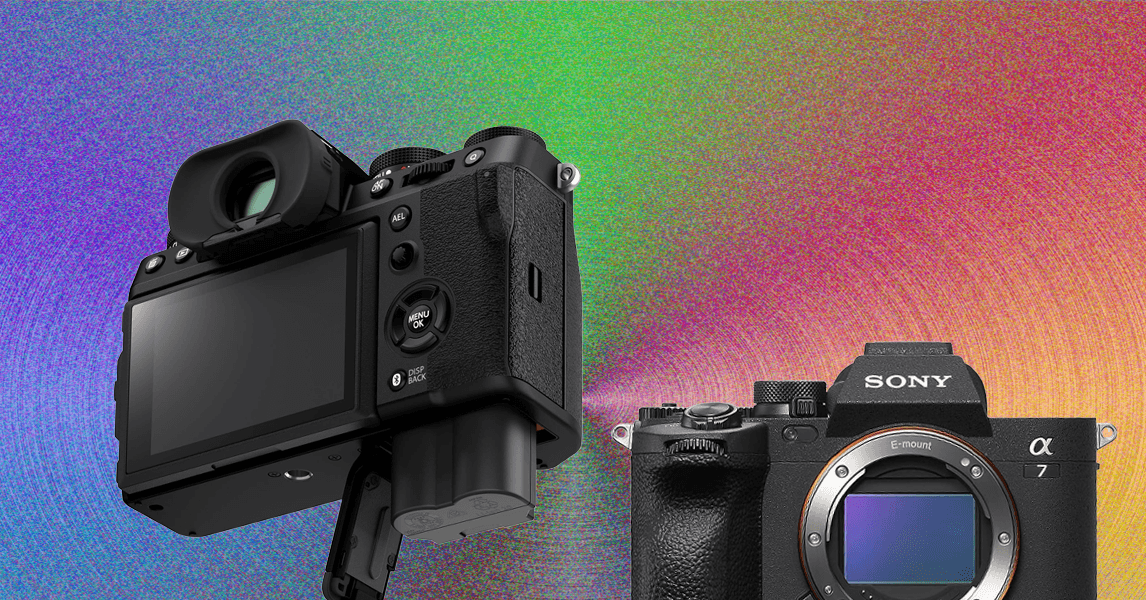
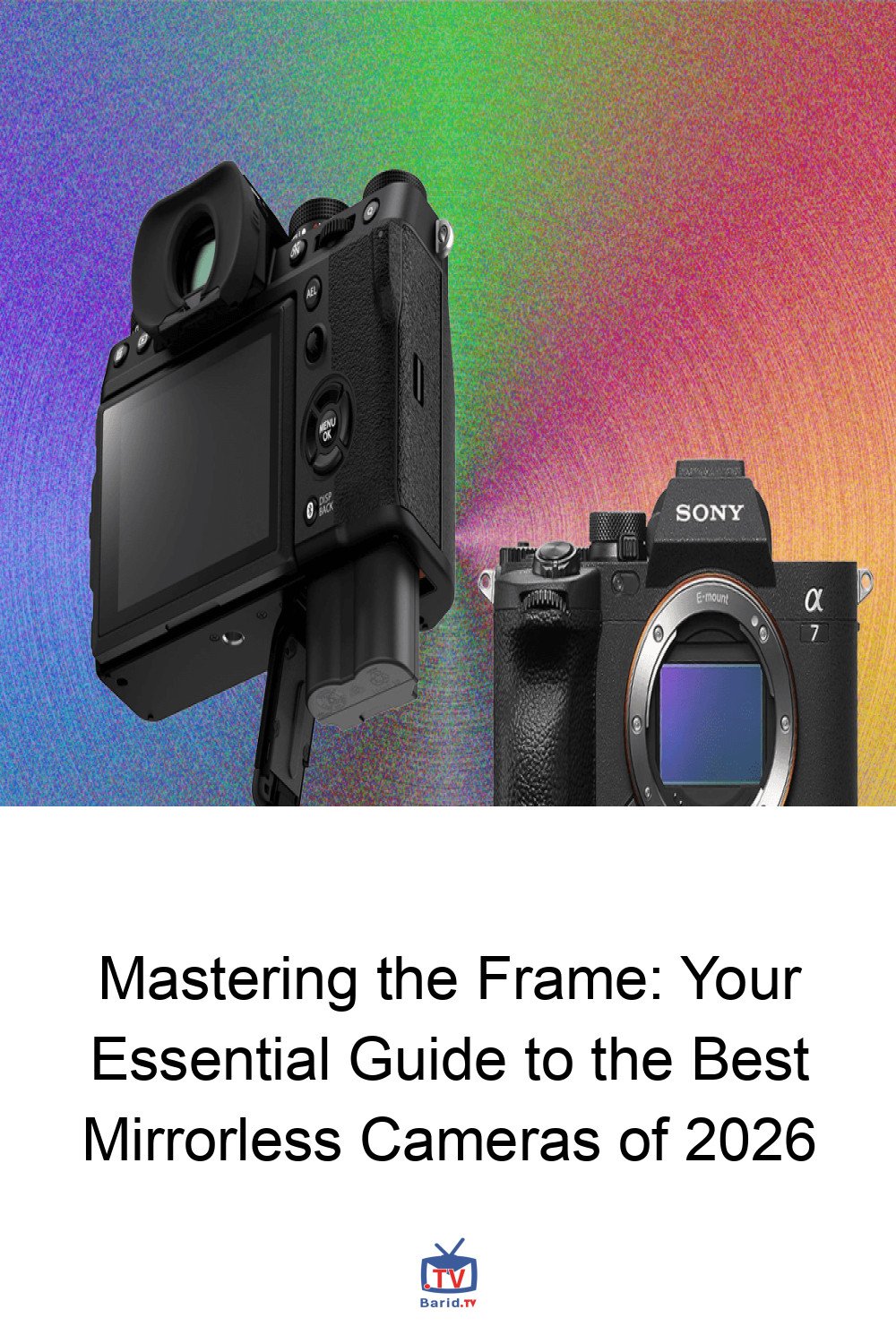
Sony A7V Mirrorless Camera: The All-Round Champion
For those seeking a versatile powerhouse that excels across genres, the Sony A7V stands as our premier choice. It’s a testament to balanced performance, offering a superb blend of resolution, speed, and advanced features that cater to both stills and video enthusiasts.
Nikon Z5II Camera: Your Gateway to Photography
Aspiring photographers often face a steep learning curve, but the Nikon Z5II smooths the path. Combining intuitive controls with robust performance, it offers an accessible yet powerful platform for beginners to grow their skills without compromise.
Fujifilm X-T5 Mirrorless Camera: APS-C Excellence Redefined
Fujifilm continues to impress with its commitment to the APS-C format, and the X-T5 is a shining example. It delivers exceptional image quality, renowned color science, and a tactile, engaging shooting experience, making it a favorite among enthusiasts and professionals alike who appreciate its compact form factor.
Sony A7RV: The Megapixel Marvel
When uncompromising detail is paramount, the Sony A7RV answers the call. Boasting an astounding megapixel count, this camera is built for those who demand the highest resolution for large prints, extensive cropping, or intricate landscape and studio work.
Choosing Your Perfect Companion: Key Features to Consider
The ‘perfect camera’ is a myth; the ‘perfect camera for you’ is the reality. Each model comes with its own strengths and limitations, and understanding these nuances is key to making an informed decision. Consider what type of photography truly ignites your passion, and then align your choice with the features that will best serve that pursuit.
Sensor Size: Beyond the Megapixel Myth
While we often hear that sensor size ‘doesn’t matter’ as much as skill, understanding its implications is crucial. Full-frame sensors generally offer superior low-light performance and shallower depth of field, while APS-C sensors provide a ‘crop factor’ that can be advantageous for telephoto reach (e.g., wildlife). Megapixels, too, are a double-edged sword: a high-resolution sensor like Sony’s 60 MP in the A7R V offers incredible cropping flexibility, but if you don’t need that detail, a 24 MP sensor might be more than sufficient and save you money and storage space.
Autofocus: Precision in a Blink
From the revolutionary Minolta Maxxum 7000 of the 1980s to today’s lightning-fast, AI-driven systems, autofocus has transformed photography. While manual focus remains a valid and artistic choice, modern mirrorless cameras offer incredibly swift and accurate AF. However, performance varies between models, particularly in challenging conditions or when tracking fast-moving subjects. If capturing fleeting moments is your priority, scrutinize the autofocus capabilities.
In-Body Image Stabilization (IBIS): Steady Shots, Even in Low Light
Often abbreviated as IBIS, in-body image stabilization is a game-changer. By counteracting camera shake within the body itself, it allows you to shoot at slower shutter speeds handheld, yielding sharper images in dim lighting or with non-stabilized lenses. For anyone venturing into low-light photography or seeking maximum versatility, IBIS is an invaluable asset.
Electronic Viewfinder (EVF): Your Window to the World
The Electronic Viewfinder (EVF) is your primary interface for composing shots, and its quality significantly impacts the shooting experience. EVFs vary widely in resolution, refresh rate, and color accuracy. A comfortable, clear EVF can make a world of difference, especially for those who wear glasses. We highly recommend trying out different EVFs in person at a camera store to find one that feels right for you.
Weather Sealing & Durability: Braving the Elements
For photographers who brave adverse conditions, weather sealing is a critical, though often overlooked, feature. While no camera is truly 100% waterproof, good sealing provides a vital layer of protection against dust, splashes, and light rain. Look for cameras that also feature a sensor cover, which shields the delicate sensor when changing lenses in dusty environments.
Battery Life: Powering Your Passion
Modern mirrorless cameras have significantly improved battery efficiency, but some models still outperform others. Consider your typical shooting habits; if you’re embarking on long expeditions without access to charging, a camera with superior battery life or the option for multiple backups will be crucial. No one wants to miss a shot because of a dead battery.
In-Camera JPEG Quality: The Art of Instant Gratification
While RAW files offer maximum post-processing flexibility, the quality of in-camera JPEGs has become a significant differentiator. Manufacturers like Fujifilm are celebrated for their sophisticated film simulations, while Nikon, Sony, and Canon have also developed robust systems for fine-tuning JPEGs. Panasonic’s Lumix line has pushed boundaries further with in-camera LUT application. If you value quick sharing or prefer to minimize editing, a camera with excellent JPEG output can be a major advantage.
Your Journey Starts Here
Ultimately, the best mirrorless camera is the one you understand intimately. Once you’ve made your choice, dive into the manual, learn its quirks and capabilities, and then—most importantly—take it out and shoot. Your vision, combined with a tool you’ve mastered, is the true recipe for photographic excellence.
For more details, visit our website.
Source: Link