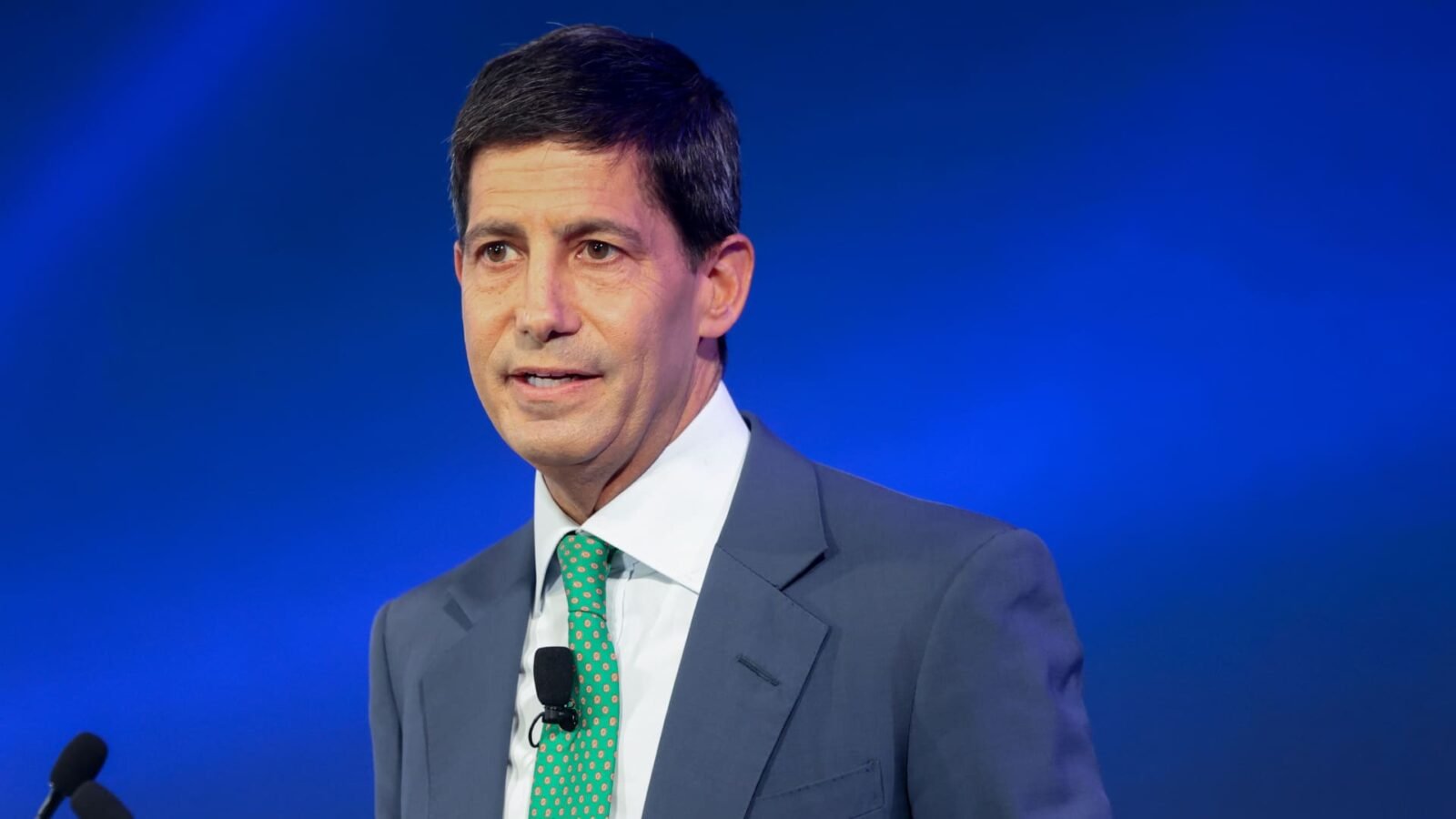

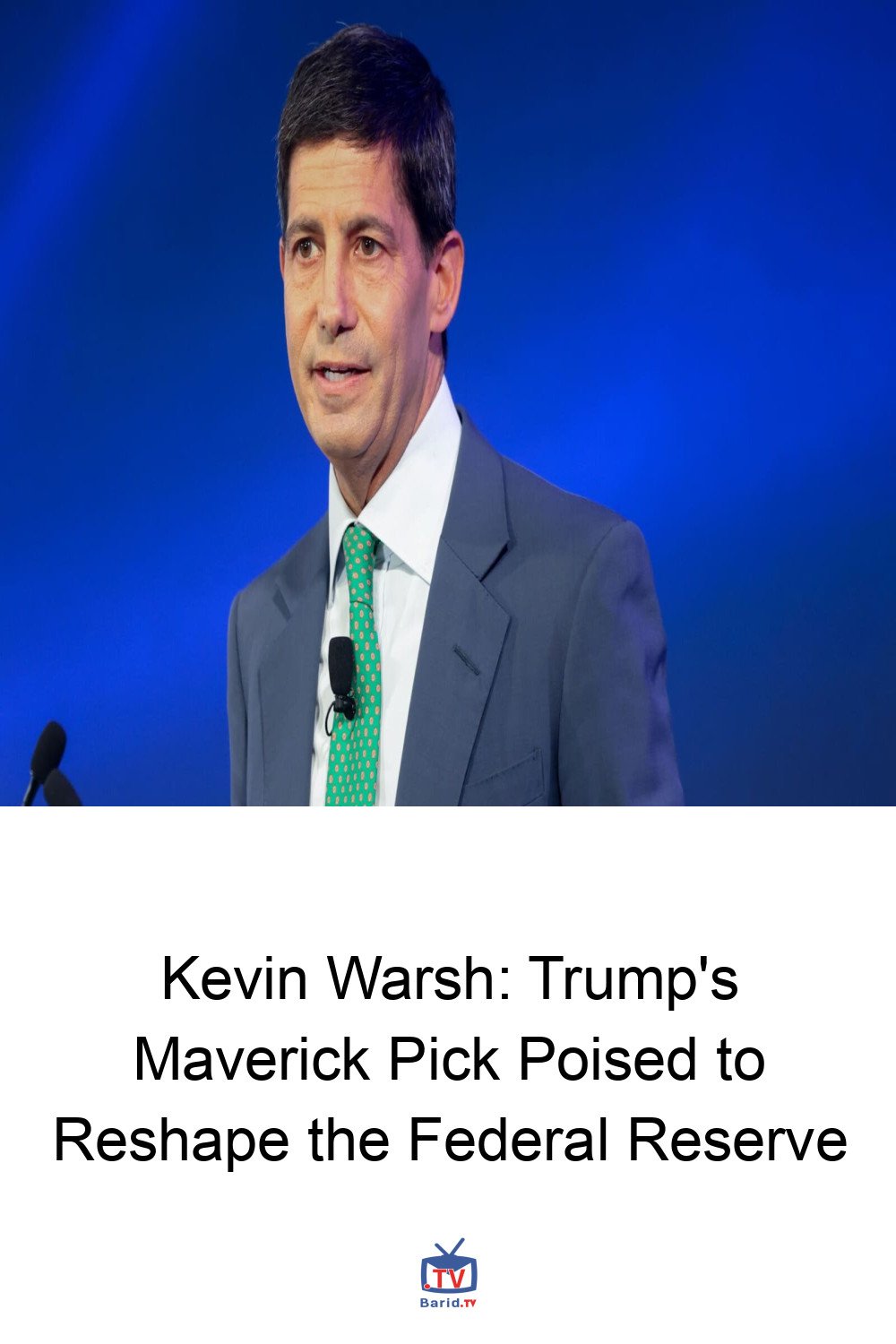
Kevin Warsh: Trump’s Maverick Pick Poised to Reshape the Federal Reserve
President Donald Trump’s selection of Kevin Warsh as the next Federal Reserve chair signals a potentially seismic shift in the direction of U.S. monetary policy. A central bank veteran who navigated the tumultuous waters of the 2006-2011 financial crisis, Warsh returns to the Fed not as a consensus builder, but as a vocal critic of its post-crisis approach, promising a fascinating and potentially contentious tenure.
A Veteran Forged in Crisis
Warsh’s initial stint at the Federal Reserve, appointed by President George W. Bush, placed him at the epicenter of one of modern history’s greatest economic challenges. Serving from 2006 to 2011, he was among the youngest governors ever, playing a pivotal role in designing and implementing emergency lending programs that were crucial in stabilizing credit markets and rescuing the economy from the brink. His involvement included efforts that paralleled the development of programs like the Troubled Asset Relief Program (TARP).
From Insider to Influential Critic
Despite his integral role during the crisis, Warsh emerged from that era with significant reservations about the Fed’s subsequent monetary policy. He became a prominent critic of large-scale asset purchases (quantitative easing) and near-zero interest rates, arguing they risked distorting markets and undermining long-term price stability. While he supported initial crisis-response measures, Warsh notably voted against the second round of Fed bond buying, signaling his philosophical divergence from the prevailing consensus.
His critique extends to the post-financial crisis Fed, which he believes went too far with monetary stimulus, potentially sowing the seeds for future crises. In a telling interview, Warsh asserted that the central bank needed “regime change” and that a “credibility deficit” plagued the incumbents at the Fed.
Trump’s “Central Casting” Choice
President Trump’s endorsement of Warsh was effusive, citing his extensive background and famously declaring him “central casting” – a testament to his perceived gravitas and presence. This appointment, however, presents a paradox: Trump, known for his desire for aggressive rate cuts, is tapping a figure who has historically advocated for a tighter monetary stance and a more independent Fed, even criticizing it for “mission creep.”
Warsh’s background is robust: a Stanford University graduate with a Harvard law degree, he brings experience from investment banking at Morgan Stanley and a tenure as special assistant to the president for economic policy in the George W. Bush White House. His marriage into the influential Lauder cosmetics family also adds a layer of establishment connection.
A New Era for the Federal Reserve?
Warsh’s potential leadership marks a stark philosophical departure from the pragmatic, consensus-driven approach of current Chair Jerome Powell. While Powell has largely maintained Fed unity despite recent policy missteps and increasing dissents, Warsh’s appointment could usher in an era of heightened internal debate and a potential tightening of the Fed’s tolerance for inflation and balance sheet expansion. His critical stance on the Fed’s past actions suggests he may be less inclined to accommodate political pressure, potentially setting up a dynamic tension with the White House.
As he prepares to fill the seat vacated by Stephen Miran, Warsh’s return to the Federal Reserve promises to be one of the most closely watched appointments in recent economic history, with profound implications for markets, consumers, and the global economy.
For more details, visit our website.
Source: Link