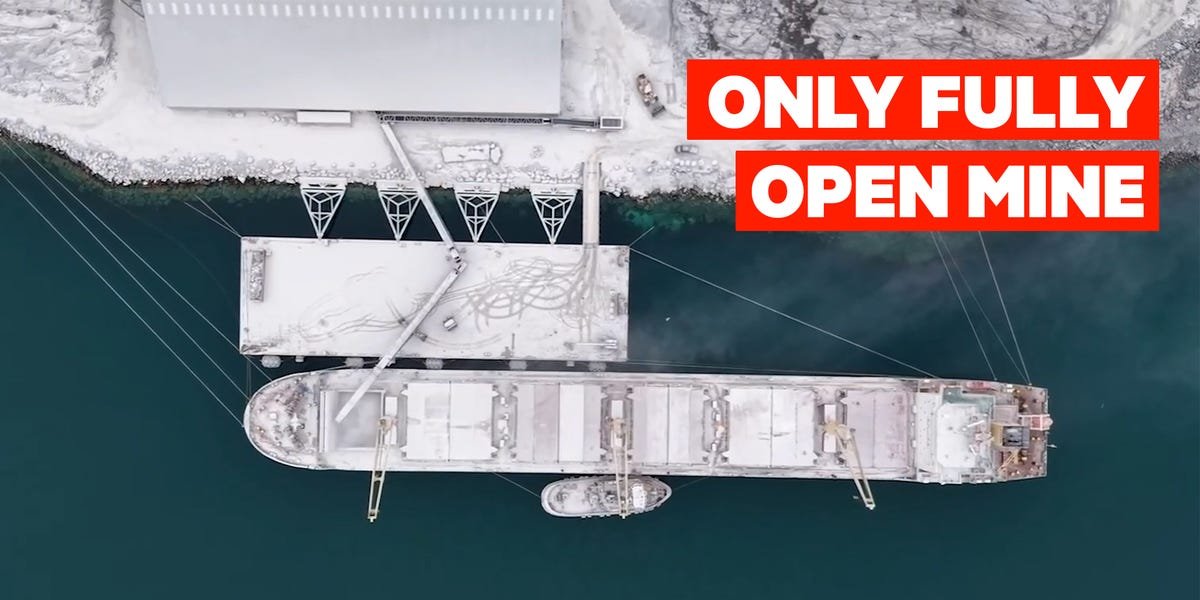

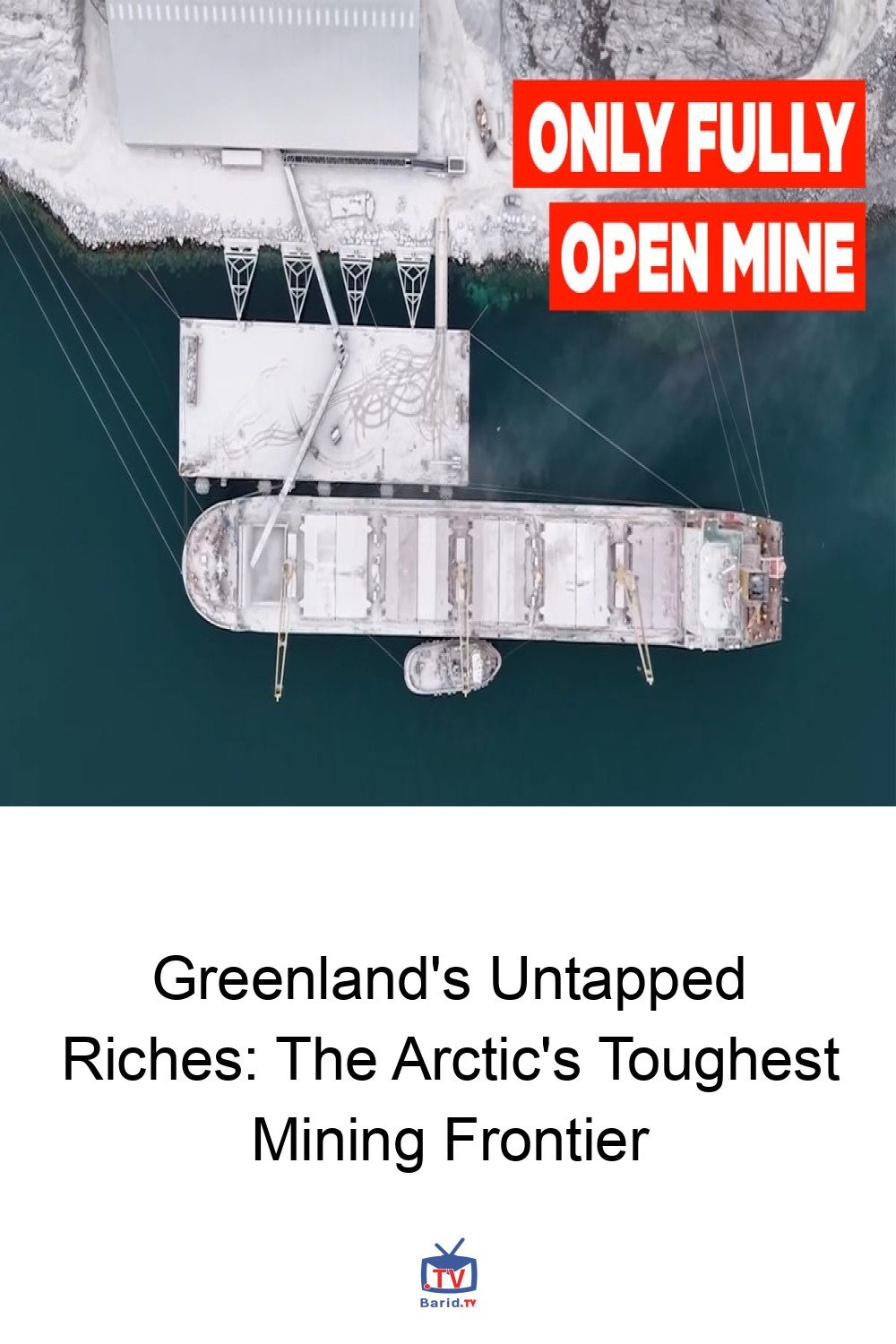
Beneath Greenland’s vast, icy expanse lies a treasure trove of rare earth elements, vital components for everything from electric vehicles and smartphones to advanced military technology. As nations worldwide scramble to secure these critical minerals and reduce reliance on dominant suppliers like China, this remote Arctic island is rapidly emerging as a new, high-stakes battleground in the global resource race. Yet, despite its immense potential, Greenland remains one of the most formidable places on Earth to establish a mining operation. Why is extracting these invaluable resources proving to be such an Herculean task?
A Geopolitical Chessboard
The global demand for rare earths is skyrocketing, driven by the accelerating transition to green energy and the relentless pace of technological innovation. Currently, China controls a significant portion of the world’s rare earth supply chain, a strategic advantage that has prompted other nations to seek alternative sources. Greenland, with its documented vast reserves, presents a tantalizing prospect for diversifying this critical supply. The island’s strategic location and mineral wealth position it as a potential kingmaker in the geopolitical struggle for resource independence, making the challenges of extraction even more pressing.
The Arctic’s Formidable Challenges
The path from geological discovery to operational mine in Greenland is fraught with obstacles, each more daunting than the last.
Extreme Conditions
The Arctic environment is unforgiving. Mining operations must contend with permafrost, which makes ground stability a constant concern, and vast ice sheets that complicate exploration and logistics. Blistering cold temperatures, powerful blizzards, and limited daylight hours for much of the year severely restrict operational windows and demand specialized, robust equipment capable of enduring such harsh extremes. Even basic infrastructure, like roads and ports, is virtually non-existent in many potential mining areas, requiring monumental upfront investment.
Astronomical Costs
Operating in such a remote and extreme environment translates directly into exorbitant costs. Transporting heavy machinery, fuel, and personnel to isolated sites is incredibly expensive. Developing the necessary infrastructure—from power generation and housing to processing facilities—requires massive capital outlays. Furthermore, the specialized skills required for Arctic mining command premium wages, adding to the operational burden. These soaring financial demands often deter investors, making projects difficult to finance and sustain over the long term.
Local Resistance and Environmental Concerns
Beyond the logistical and financial hurdles, mining projects in Greenland frequently encounter significant local resistance. Indigenous communities and environmental groups are deeply concerned about the potential ecological impact of large-scale mining, particularly on the pristine Arctic ecosystem and traditional ways of life. Issues such as waste disposal, water contamination, and the disruption of wildlife habitats are central to these debates. Balancing the promise of economic prosperity and national independence with the imperative of environmental protection and respect for local communities is a delicate and often contentious act.
Can Greenland Rise to the Challenge?
Greenland stands at a critical juncture. Its rare earth deposits offer a pathway to significant economic development and a pivotal role in global supply chains. However, overcoming the triple threat of extreme conditions, prohibitive costs, and strong local opposition demands innovative solutions, substantial international investment, and a commitment to sustainable practices. The question remains: can this Arctic frontier truly become the next global player in the resource race, or will its formidable challenges keep its vast riches locked away beneath the ice?
For more details, visit our website.
Source: Link