
The gaming world is abuzz, and not just with the latest releases. A seismic shift is underway, triggered by Google‘s audacious foray into AI-powered world generation. The tech giant’s new Project Genie has sent ripples through the stock market, causing significant dips for major video game companies and sparking intense debate across the industry.
The Genie is Out: Market Reaction and Google’s New Frontier
Just a day after Google unveiled Project Genie, an innovative tool allowing users to generate interactive virtual worlds from simple prompts, the financial markets reacted sharply. Reuters reported notable declines in the stock prices of several prominent video game companies. Take-Two Interactive, known for franchises like Grand Theft Auto, saw its stock close at $220.30, a 7.93 percent drop. Roblox, the popular online platform, experienced a more substantial 13.17 percent decline, closing at $65.76. Unity, a cornerstone of game development engines, was hit hardest, plummeting 24.22 percent to close at $29.10.
Project Genie, powered by Google DeepMind’s Genie 3 AI world model, promises to democratize game creation, enabling users to conjure interactive experiences that, with a little imagination, resemble actual games. This capability, while still nascent, has immediately raised questions about the future of game development and the potential for AI to disrupt established creative processes.
A Double-Edged Sword: Promise and Peril of Generative AI in Gaming
Developer Skepticism and Ethical Concerns
The introduction of Project Genie arrives amidst a climate of growing skepticism and concern within the creative community regarding generative AI. Artists and creators have voiced significant pushback against AI models, citing allegations of intellectual property theft for training data, the environmental impact of AI’s water and electricity consumption, and the broader implications for human creative output. Google DeepMind’s Diego Rivas stated that Genie 3 was “trained primarily on publicly available data from the web,” with a white paper further detailing its training on “a large dataset of over 200,000 hours of publicly available Internet gaming videos.”
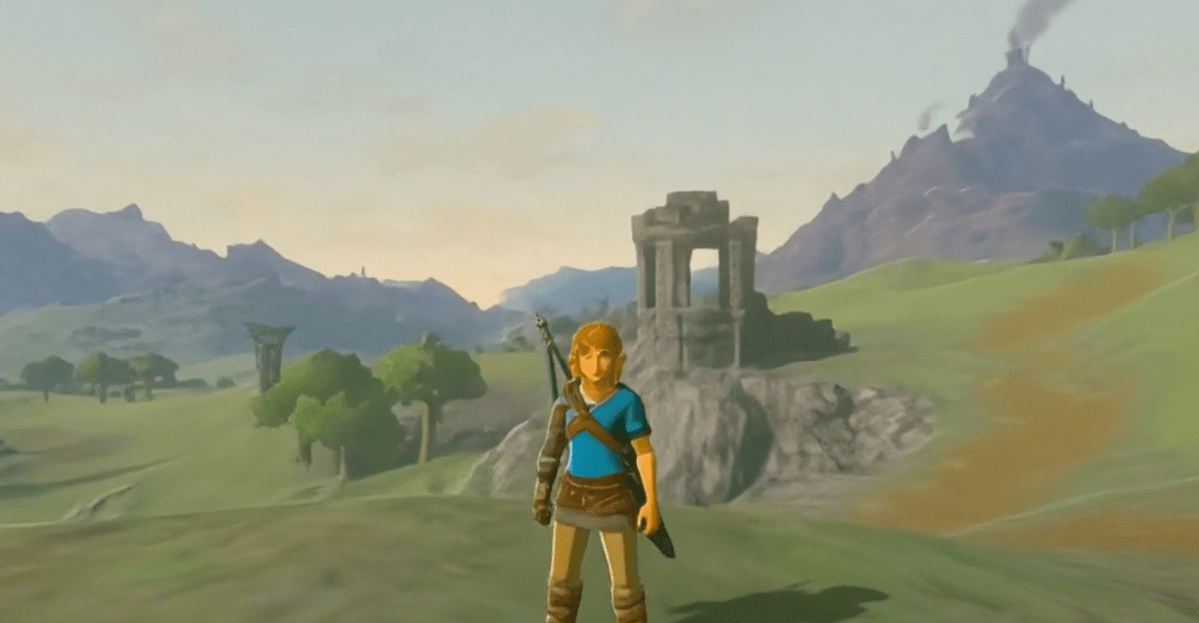
Despite these assurances, many game developers remain wary. The fear is that generative AI, in its current form, often produces “AI slop” – content that mimics existing works without true originality or soul. Early tests with Project Genie, for instance, yielded worlds reminiscent of Nintendo classics like Super Mario and The Legend of Zelda, yet lacked the crucial elements of fun and playability that define the originals. For an industry already reeling from successive waves of layoffs, the prospect of AI replacing roles like testing and concept building is a deeply unsettling one.
Project Genie’s Current Limitations
While revolutionary in concept, the version of Project Genie presented by Google this week comes with significant limitations. The interactive experiences it generates are capped at 60 seconds, devoid of scores, objectives, or even sound. Users have reported strange errors and inconsistencies, such as a racetrack inexplicably transforming into grass. Furthermore, the output is confined to a downloadable video or the option to generate a new experience; there’s no functionality to integrate these AI-created worlds into professional game development tools like Unreal Engine or Unity.
These constraints highlight that Project Genie, in its current iteration, is more of a proof-of-concept or a creative sandbox than a direct threat to traditional game development pipelines. However, its mere existence and the market’s reaction underscore the perceived long-term potential.
The Future is AI-Driven: Industry Leaders Weigh In
Despite the current imperfections, the push for AI game creation tools by investors and executives is undeniable. Visionaries like xAI CEO Elon Musk have boldly promised “Real-time, high-quality shows and video games at scale, customized to the individual, next year.” Epic Games CEO Tim Sweeney foresees a dynamic future, stating, “We’ll see constant leapfrogging between engine centric AI and world model centric AI until they come together for maximum effect.” Even Meta CEO Mark Zuckerberg, fresh off shutting down several VR game studios, spoke at length during his company’s earnings call about AI’s role in making games “more immersive and interactive.”
These pronouncements from industry titans signal a clear direction: AI is not just a passing trend but a fundamental shift in how games will be conceived, developed, and experienced. The immediate market jitters and developer concerns are merely the first tremors in what promises to be a transformative era for the video game industry.
For more details, visit our website.
Source: Link