

The United States government has entered a partial shutdown, creating a weekend of uncertainty for federal agencies and their employees. This fiscal lapse occurred despite the Senate’s swift passage of a critical funding package, leaving the fate of government operations hanging until the House of Representatives reconvenes on Monday.
A Weekend in Limbo: How We Got Here
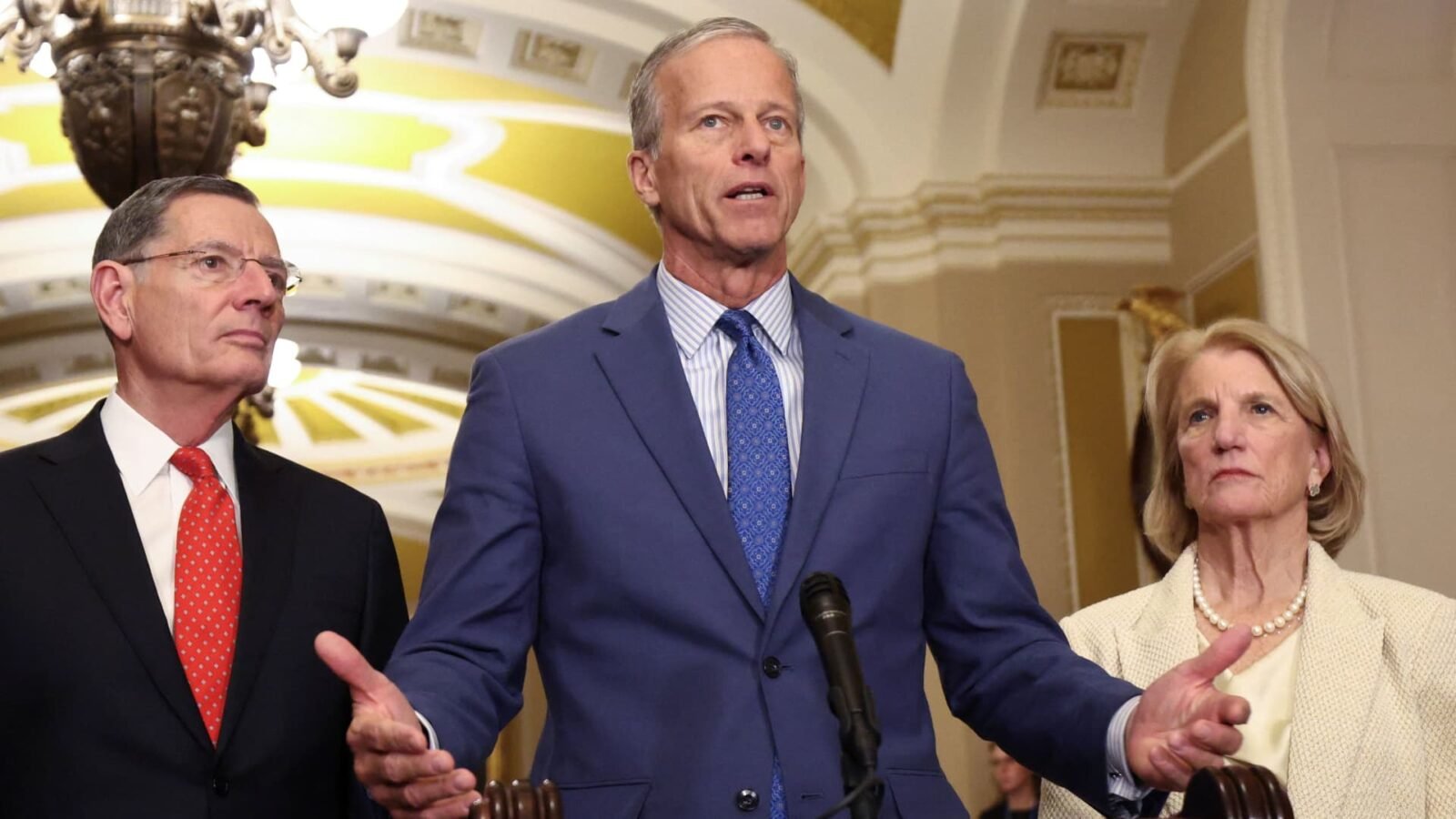
In a late-night session, the Senate moved to avert a shutdown, approving a package of five funding bills alongside a two-week stopgap measure. This temporary solution was designed to buy lawmakers more time to resolve contentious disputes, particularly concerning the Department of Homeland Security (DHS).
However, with the House not scheduled to return to Washington until Monday, the federal government officially began a partial shutdown early Saturday. This marks another chapter in a history of fiscal impasses, following last year’s record-setting 43-day shutdown.
Speaker Johnson’s Pledge and Trump’s Influence
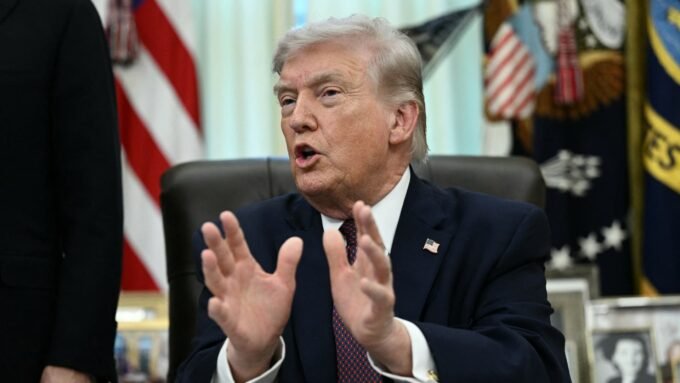
House Speaker Mike Johnson (R-La.) has emerged as a key figure in the effort to quickly resolve the shutdown. Following a House GOP conference call, Johnson publicly committed to backing the Senate-passed funding deal, a decision reportedly influenced by former President Donald Trump’s support for the package. Johnson expressed optimism that the House would pass the bill on Monday, paving the way for it to be sent to Trump for his signature.
Departments Affected and Immediate Directives
The partial shutdown impacts a broad spectrum of federal operations. Appropriations for critical departments, including State, Defense, Financial Services, Homeland Security, Labor, Health and Human Services, Transportation, Education, Housing and Urban Development, and their related agencies and programs, expired on Saturday.
In response, U.S. Office of Management and Budget Director Russell Vought issued a memo instructing federal agency heads to have employees report for their next scheduled tour of duty to initiate “orderly shutdown activities.” Vought conveyed the administration’s hope for a “short” lapse and its continued efforts to work with Congress to finalize appropriations for Fiscal Year 2026.
The DHS Conundrum and Senator Graham’s Stance
A significant hurdle in the funding negotiations revolved around the Department of Homeland Security. The Senate agreement notably stripped out long-term funding for DHS, opting instead for the two-week stopgap measure. This decision reflects ongoing political battles, with Democrats having previously criticized DHS over its immigration enforcement actions.
The deal’s passage in the Senate was not without its drama. South Carolina Republican Senator Lindsey Graham initially stalled the measure, demanding a guaranteed vote on his bill to criminalize “sanctuary city” policies. Graham also sought an amendment related to the “Arctic Frost” investigation, requiring notification to senators if their phone records were obtained in a criminal probe. While the House had previously moved to repeal a law allowing senators to sue over such record access, Graham’s hold ultimately delayed the Senate vote, despite Trump’s earlier encouragement for lawmakers to support the deal.
Looking Ahead: A Race Against Time
As the nation watches, the focus now shifts to Monday’s anticipated House vote. The bipartisan effort in the Senate, coupled with Speaker Johnson’s commitment and Trump’s endorsement, suggests a potential path to a swift resolution. However, the complexities of congressional politics and the lingering disputes over immigration policy underscore the fragility of such agreements. The hope remains that this partial shutdown will indeed be brief, allowing federal services to resume full operation without prolonged disruption.
For more details, visit our website.
Source: Link