




For years, science fiction authors and tech luminaries have cautioned us about the potential for artificial intelligence to reshape our world, perhaps even dominate it. While a full-scale AI takeover remains in the realm of speculation, a more immediate and pervasive impact has already materialized: the relentless deluge of generative AI “slop” across our digital feeds.
From TikTok to Instagram and YouTube, it’s become increasingly difficult to scroll without encountering bizarre, often disturbing, AI-generated concoctions—think babies in peril or anthropomorphic cats engaged in questionable activities. This digital frontier often feels less like a curated experience and more like the wild west, or perhaps a scene straight out of Westworld. The consensus is clear: this content is neither good for us nor for the broader digital ecosystem. Short-form video, already a potent tool for passive consumption, becomes utterly devoid of meaning when saturated with these substance-less AI creations.
YouTube’s Decisive Strike Against AI ‘Slop’
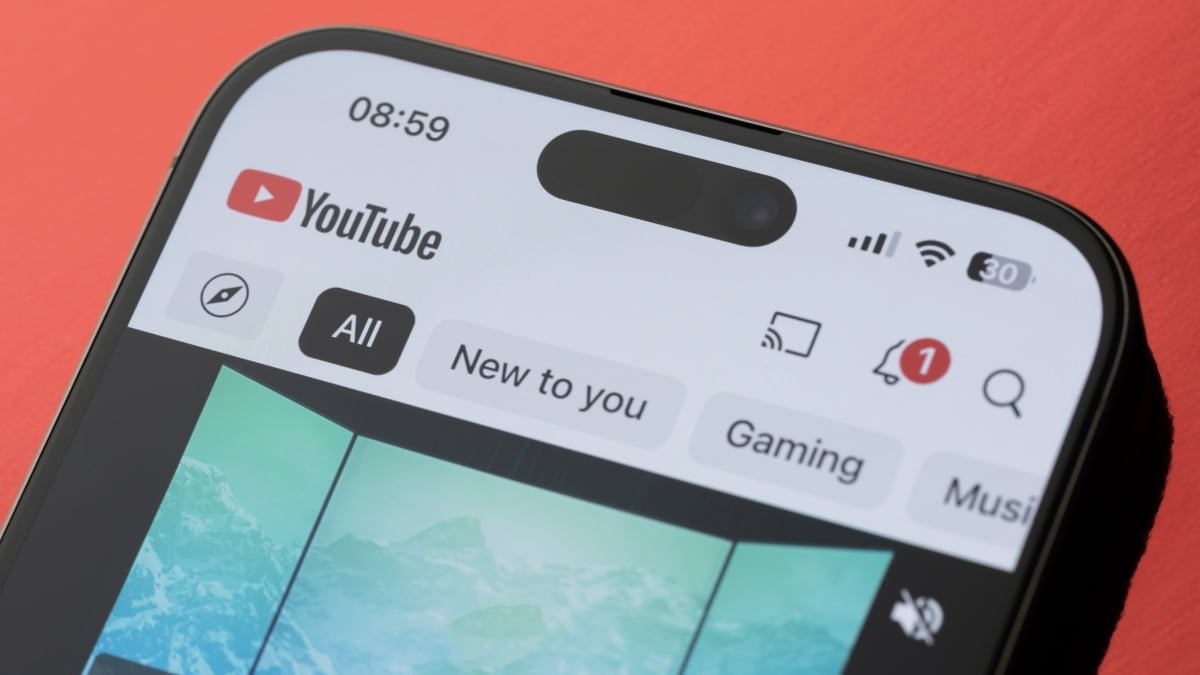
While the problem is widespread, a subtle shift has been observed on YouTube, particularly within its Shorts ecosystem. Users, especially those logged out, might have previously found their feeds inundated with AI-generated videos. However, recent observations suggest a significant reduction in this “slop.” This isn’t accidental; YouTube has quietly initiated a robust campaign to purge some of the most egregious AI content from its platform.
The Evidence: Channels Vanish, Billions of Views Erased
The extent of YouTube’s crackdown was brought to light by Android Police, building upon a November report from Kapwing, an online video editing company. Kapwing’s investigation into AI “slop” identified the top 100 most-subscribed channels publishing such content. In the mere two months following that report, a striking 16 of those channels have been removed from the platform.
Among the casualties was “CuentosFacianantes,” once YouTube’s most popular AI channel according to Kapwing, boasting 5.95 million subscribers and generating AI-inspired Dragon Ball
shorts. This channel alone had accumulated approximately 1.28 billion views by the end of last year, despite a curated library starting in January 2025 (implying recent, rapid growth). Other major channels, including “Imperio de Jesus” (5.87 million subscribers) and “Super Cat League” (4.21 million subscribers), also met the same fate. Collectively, these 16 removed channels represented a staggering 35 million subscribers and over 4.7 billion views, with some channels completely erased and others having their entire video libraries removed.
Neal Mohan’s Vision: A Clear Line in the Sand
YouTube CEO Neal Mohan articulated the company’s forward-looking strategy in a January 21st post outlining his vision for 2026. While acknowledging AI’s potential as “a boon to the creatives who are ready to lean in”—likening it to tools like Photoshop and CGI, and emphasizing its role as “a tool for expression, not a replacement”—Mohan also voiced critical concerns. He highlighted the increasing difficulty in distinguishing authentic videos from AI-generated ones.
Crucially, Mohan confirmed YouTube’s commitment to removing “any harmful synthetic media that violates our Community Guidelines” and empowering creators with tools to identify and block deepfakes. Perhaps most notably, his letter included a dedicated section titled “Managing AI slop”—a rare and explicit acknowledgement of the problem from a major platform.
Balancing Expression with Quality
Mohan reiterated YouTube’s dual goal: fostering free expression while ensuring a platform “where people feel good spending their time.” To achieve this, he stated, “To reduce the spread of low quality AI content, we’re actively building on our established systems that have been very successful in combatting spam and clickbait, and reducing the spread of low quality, repetitive content.”
While specific accounts weren’t named, nor were the deleted channels explicitly acknowledged, Mohan’s message draws a definitive line. YouTube is not inherently opposed to AI-generated content. However, it is unequivocally against low-quality, repetitive, and potentially harmful AI content—the very definition of “slop.” This proactive stance offers a glimmer of hope for users seeking a more meaningful and less cluttered digital experience, even as the broader challenge of AI-generated content continues to evolve.
For more details, visit our website.
Source: Link





Leave a comment