
The Looming Darkness: Why Your Home Needs a Backup Plan
The reliability of the U.S. power grid is rapidly diminishing, transforming what was once an occasional inconvenience into a recurring challenge for millions. Startling statistics reveal that approximately 45% of utility customers experienced a power outage in the first half of 2025 alone, with blackouts lasting longer than ever before. This escalating crisis is fueled by an aging electrical infrastructure struggling to cope with increased demand from a warming planet’s air conditioning needs, not to mention the insatiable power appetite of artificial intelligence. The U.S. Department of Energy paints a stark picture, estimating a hundredfold increase in the risk of power outages over the next few years.
In this increasingly uncertain landscape, ensuring your home remains a beacon of comfort and functionality during a blackout is no longer a luxury, but a growing necessity. While rechargeable power stations offer temporary relief, a robust backup generator provides the sustained power needed to weather prolonged outages. However, the decision to purchase one shouldn’t be a spontaneous grab-and-go from the hardware store. Choosing the right generator for your specific home and circumstances is paramount. Let’s delve into the critical factors to consider.
Step One: Calculating Your Home’s Power Needs
The cornerstone of selecting the perfect generator lies in accurately assessing your power requirements. This involves evaluating three crucial data points: the anticipated duration of outages, the number of essential appliances and systems you wish to power, and their individual wattage demands.
How Long Do You Need Backup Power For?
While predicting the future is impossible, past experiences can offer valuable insights. Reflect on previous power outages in your area or consult neighbors. Were they brief, lasting only a few hours, or did they stretch into uncomfortable days? If your region is prone to extended blackouts, a larger fuel capacity or a more permanent solution might be necessary. Conversely, if outages are typically short-lived, your requirements may be less demanding, unless you prioritize preparedness for any eventuality.
What Appliances Will You Power?
Create a comprehensive list of everything you deem essential during an outage. Will it be limited to basic lighting and phone charging, or do you envision maintaining heating, keeping your refrigerator running, or operating a critical sump pump during a storm? Every item added to this list directly impacts the required capacity of your generator. Prioritize what truly matters for safety, comfort, and preventing damage.
Decoding Wattage: The Heart of Your Power Calculation
Once your list is complete, you’ll need to determine the wattage each appliance consumes. This information is typically found on a label directly on the appliance, within its user manual, or readily available online. If only amperage (amps) is provided, a simple calculation can give you a rough estimate: multiply the amps by 120 (the standard voltage in most U.S. homes).
Summing up all these individual wattages will give you a baseline of your total power needs during a blackout. However, a critical consideration is the difference between starting watts and running watts. Appliances with motors, such as refrigerators or sump pumps, require a significant surge of power to start up (starting watts) before settling into a lower, continuous draw (running watts). To account for these surges, it’s a wise practice to multiply your calculated baseline by 1.5. This ensures you have ample capacity to handle the momentary power spikes when these appliances cycle on and off.
For example: If you plan to run your refrigerator (600 running watts), a sump pump (1,000 running watts), your computer, and a few lights (400 combined running watts), your baseline need is 2,000 watts. Applying the 1.5 multiplier suggests you’ll need a generator capable of producing at least 3,000 watts of power to comfortably handle starting surges.
Step Two: Choosing Your Generator Type
With your power requirements established, the next step is to select the type of generator that best suits your lifestyle, budget, and specific needs. The primary options are standby, portable, and inverter generators, each offering distinct advantages.
Standby Generators: The Ultimate Peace of Mind
Standby generators represent the most comprehensive, albeit most expensive, solution. These robust units are typically fueled by natural gas directly from your home’s supply line (though propane models are available) and are engineered to activate automatically the moment a power loss is detected. Capable of running an entire household, they often generate upwards of 20,000 watts. Standby generators are ideal for homeowners who anticipate frequent or lengthy power outages, or those who simply desire the unwavering assurance of uninterrupted power, regardless of external conditions. Installation usually requires professional expertise and dedicated outdoor space. Typical costs range from $8,000 to $16,000.
Portable Generators: Versatility and Affordability
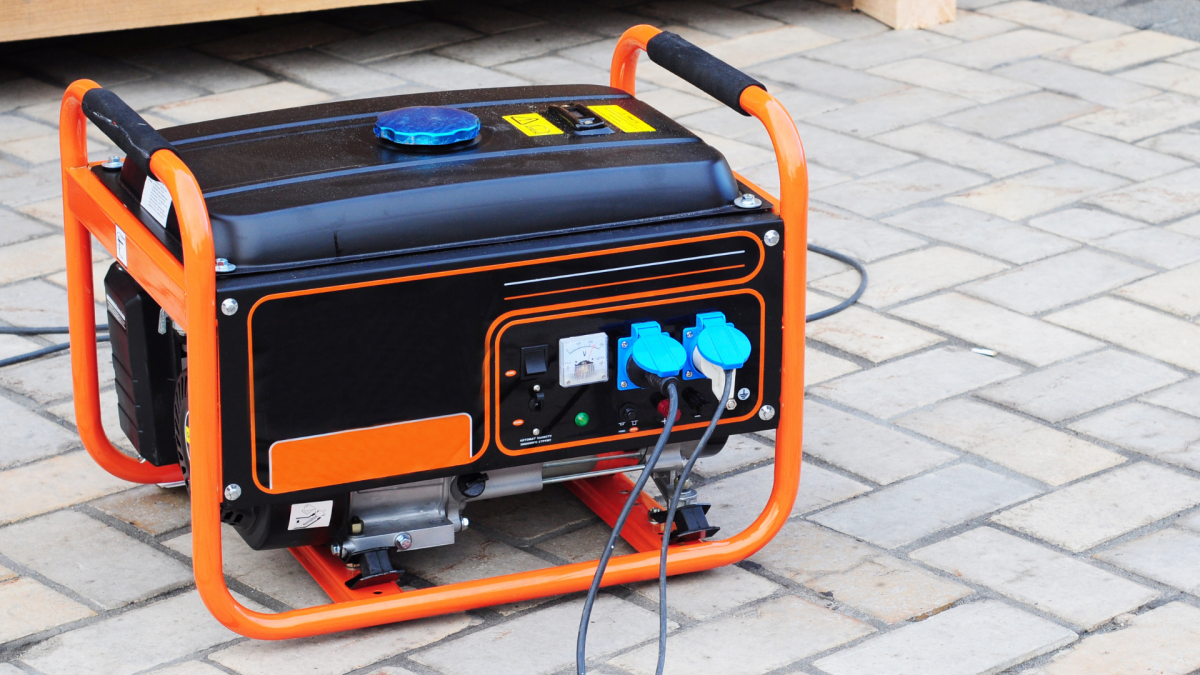
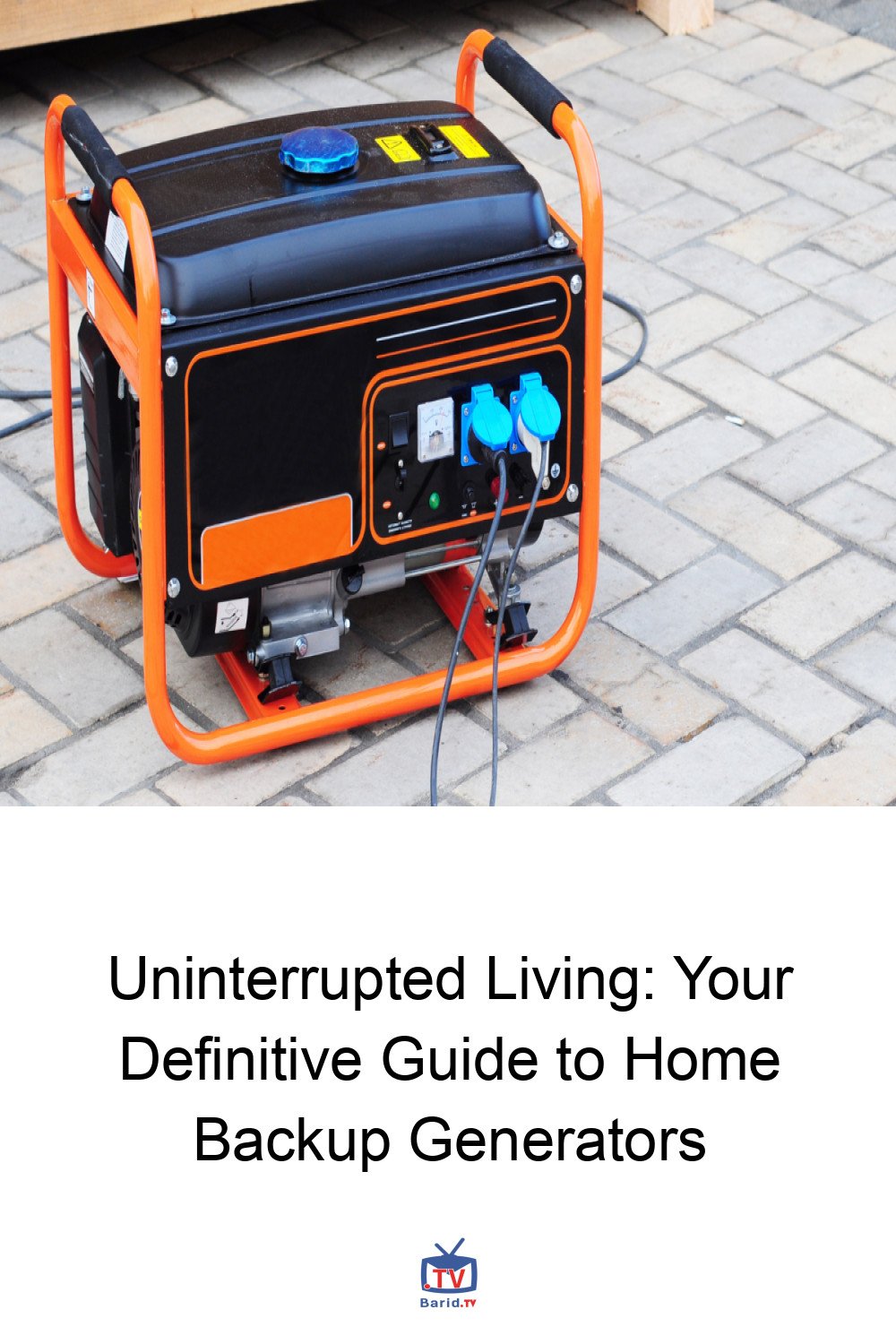
Portable generators are the most common and generally the most budget-friendly option. Equipped with wheels for easy maneuverability, they offer a wide range of power outputs, from a modest 1,000 watts to powerful units generating 20,000 watts. (It’s worth noting that the term “portable” becomes somewhat relative for larger models; a 20,000-watt unit, for instance, can weigh over 500 pounds.) These generators are an excellent choice for most individuals seeking a reliable backup power source, and their versatility makes them useful for other applications such as camping trips or powering tools for DIY projects. Prices typically range from $300 to $4,000, depending on specifications.
Inverter Generators: Efficient, Quiet, and Tech-Friendly
Inverter generators share similarities with portable models but boast significant advancements in efficiency and noise reduction. Unlike traditional portable generators that run at a constant, high RPM, inverter generators intelligently throttle their engine speed up or down based on the power draw. This smart operation results in substantially lower fuel consumption and extended run times. They are also considerably quieter, a major benefit for residential use, and their clean power output generates less interference, making them ideal for sensitive electronics like computers and smart devices. Like their portable counterparts, most inverter generators are mounted on wheels for easy transport.
Choosing the right backup generator is a significant investment in your home’s resilience and your family’s comfort. By carefully assessing your power needs and understanding the distinct advantages of each generator type, you can make an informed decision that ensures uninterrupted living, no matter what the grid throws your way.
For more details, visit our website.
Source: Link