

The Unseen Power of Your Grip: A New Window into Brain Health and Aging
When was the last time you truly considered the strength of your grip? Perhaps while wrestling with a stubborn jar lid or hauling a heavy bag of groceries. For most, it’s a fleeting thought, yet groundbreaking new research suggests this simple measure could be a profound indicator of your brain health as you age.
Scientists have recently pinpointed a deep-seated brain region that plays a surprisingly central role in maintaining our physical strength through the years. Understanding this intricate connection offers a powerful new tool for early detection of frailty and, more importantly, provides hope for slowing or even reversing physical and cognitive declines once thought to be an inevitable part of aging.
More Than Just Muscle: Grip Strength as a Biomarker
Grip strength isn’t merely about raw power; it has emerged as one of the most reliable and accessible indicators of overall health. Researchers often refer to it as a “window into physical resilience.” The stronger your grip, the better your body and brain tend to function in concert as you navigate the aging process.
A pioneering study, published in Frontiers in Neuroscience, delved into this connection with unprecedented detail. Researchers at UC Riverside recruited 60 older adults and subjected them to functional MRI scans while they performed maximum grip strength tests. This was a crucial departure from previous studies, which typically focused on brain structure or resting brain activity. For the first time, scientists mapped real-time brain activity during physical exertion, seeking to understand the neural mechanisms at play.
Unlocking the Brain’s Secret: The Caudate Nucleus Connection
Out of dozens of brain regions meticulously analyzed, one structure stood out as a pivotal player: the caudate nucleus. This deep-brain component, part of the basal ganglia, is well-known for its involvement in movement coordination, decision-making, and even habit formation. What astonished researchers was the profound extent to which activity and connectivity within the caudate predicted grip strength, surpassing regions traditionally associated solely with motor control.
Consistently, stronger functional connections involving the caudate nucleus were directly linked to higher grip strength, irrespective of an individual’s sex or muscle mass. While other areas, including parts of the hippocampus and anterior cingulate cortex, also showed associations, the caudate nucleus appeared to function as a central orchestrator. This compelling finding suggests that preserving physical strength in later life isn’t just about maintaining muscle mass; it’s fundamentally about safeguarding the brain’s capacity to coordinate, initiate, and sustain forceful, purposeful movement.
From Research to Reality: Actionable Steps for Brain-Body Resilience
While this study lays critical groundwork rather than prescribing immediate interventions, its implications reinforce several evidence-backed habits vital for supporting both brain and muscle health:
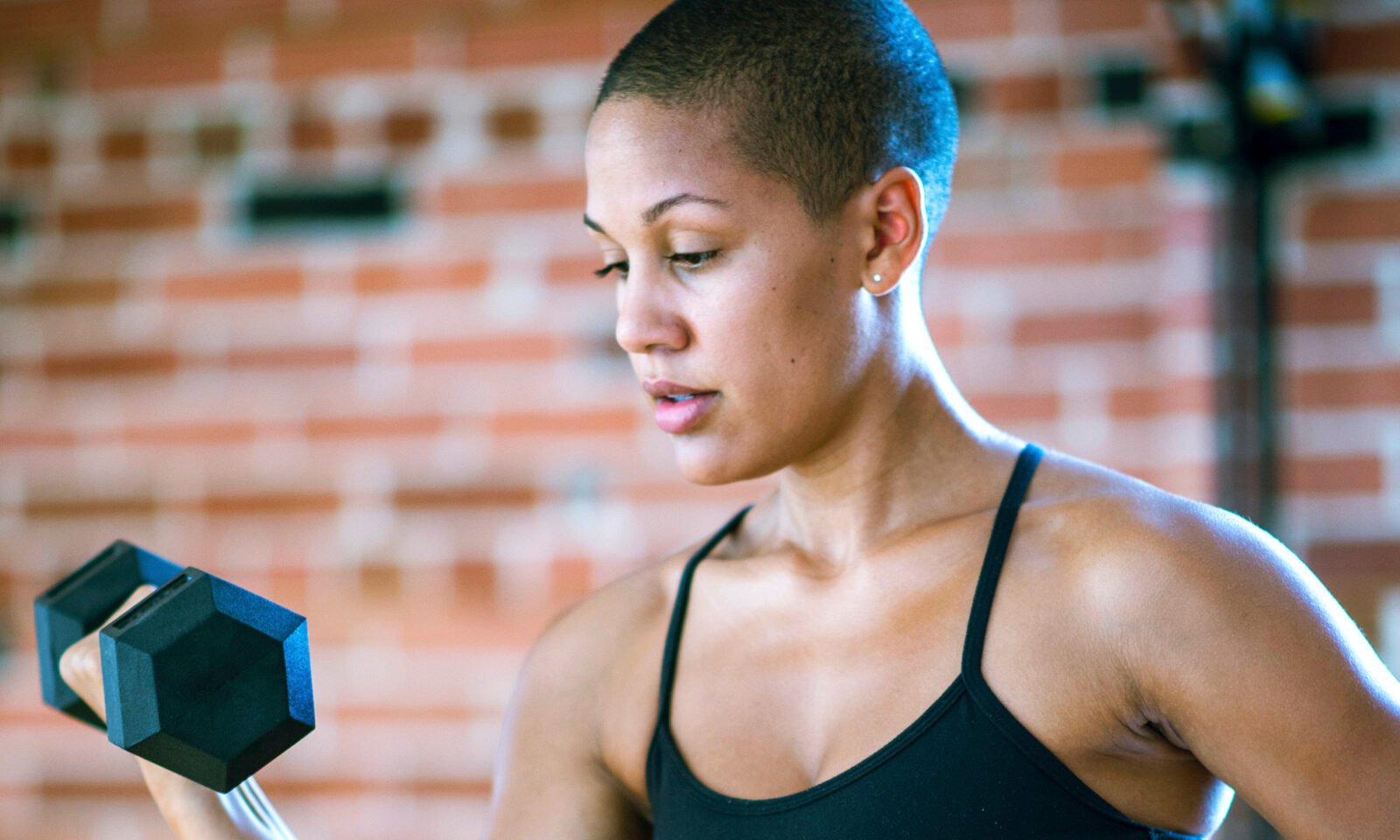
Embrace Regular Strength Training
Consistent resistance training not only builds muscle function but also significantly enhances neural efficiency, improving the communication pathways between your brain and muscles.
Master Coordinated Movement
Engage in activities that demand control, balance, and focus, such as Pilates, tai chi, or specific balance training exercises. These practices actively challenge and refine brain–muscle communication.
Keep Your Mind Engaged
Brain regions involved in physical movement are also profoundly shaped by learning, attention, and decision-making. Continuous cognitive engagement, through reading, puzzles, or learning new skills, supports overall brain health.
Prioritize Vascular Health Daily
Efficient blood flow is paramount for both sharp brain connections and robust muscle strength. Adopt a lifestyle that includes regular movement, a balanced diet rich in fruits, vegetables, and healthy fats, and diligent blood pressure management.
The Simple Squeeze: A Powerful Predictor
Aging is a holistic process, impacting every system in the body, with the brain at its very core. This study adds significant weight to the growing body of evidence demonstrating that physical strength in later life is a direct reflection of how harmoniously the brain and body are working together. It turns out, a simple squeeze of your hand may offer far more insight into your future health than we ever imagined.
For more details, visit our website.
Source: Link