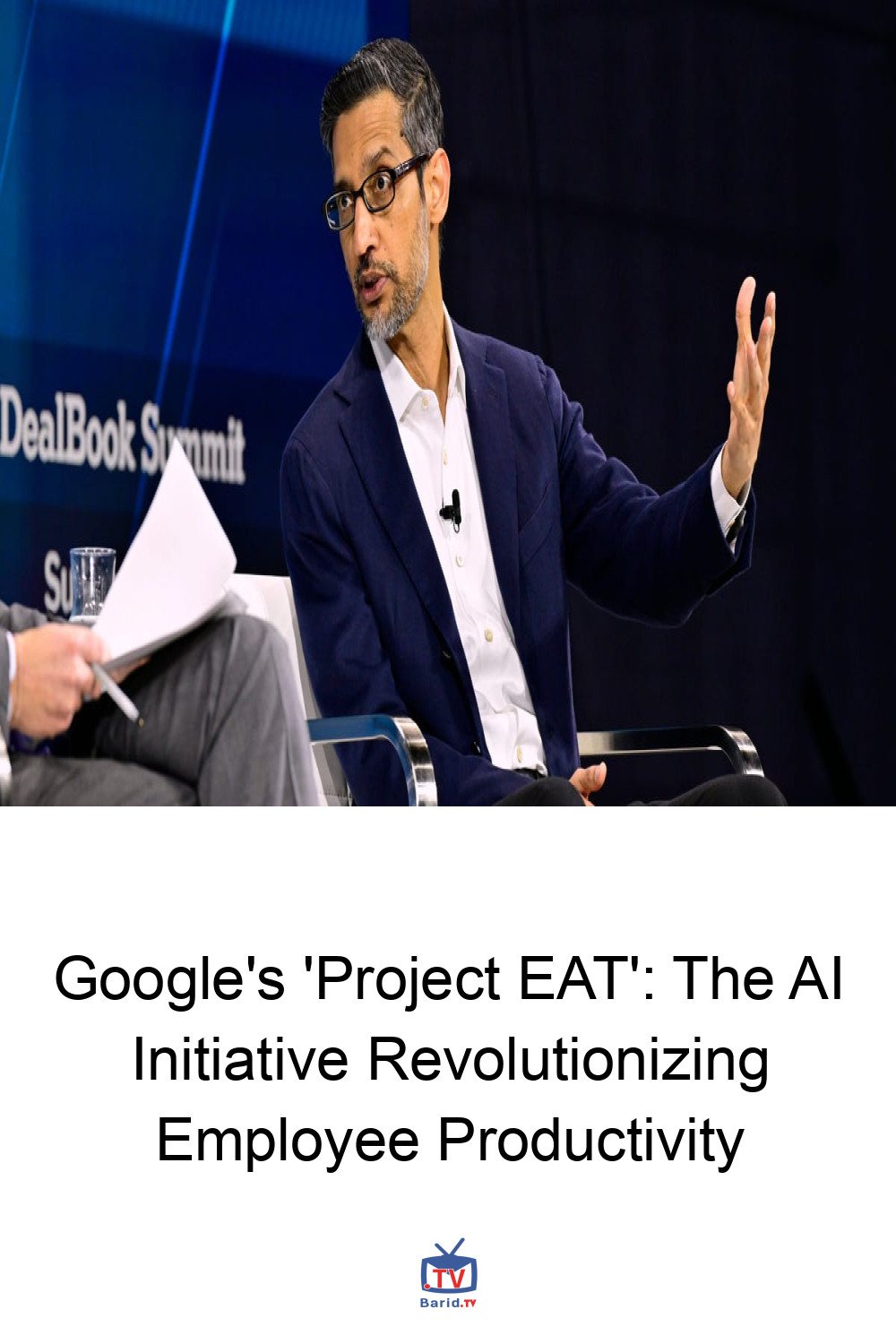
In a bold move to redefine workplace efficiency and innovation, tech giant Google is reportedly spearheading an ambitious internal initiative codenamed
“Project EAT” (Employee AI Toolkit)
. This clandestine project aims to integrate advanced artificial intelligence capabilities directly into the daily workflows of its vast workforce, promising to “supercharge” employees with unprecedented levels of productivity and creative potential.
The Dawn of AI-Augmented Workflows
Project EAT is more than just another internal tool; it represents Google’s strategic vision for the future of work, where human ingenuity is amplified by intelligent automation. While details remain under wraps, sources suggest the initiative involves a suite of AI-powered assistants and tools designed to streamline mundane tasks, accelerate data analysis, and foster quicker decision-making across various departments.
What Does Project EAT Entail?
- Intelligent Assistants:
Personalized AI companions that can manage schedules, draft communications, and summarize complex documents.
Automated Task Management:
AI systems that identify repetitive tasks and offer solutions for automation, freeing up employees for more strategic work.- Enhanced Knowledge Retrieval: Advanced search and synthesis capabilities that allow employees to quickly access and understand vast amounts of internal data and research.
- Creative Augmentation: Tools that assist in brainstorming, content generation, and design, pushing the boundaries of what individual employees can achieve.
The Promise of Peak Performance
The underlying philosophy of Project EAT is to empower Google’s talent, not replace it. By offloading routine cognitive burdens to AI, employees are expected to dedicate more time to complex problem-solving, innovative thinking, and high-value strategic initiatives. This could lead to a significant boost in overall company output and maintain Google’s competitive edge in the rapidly evolving tech landscape.
Potential Impact and Challenges
While the potential benefits are immense, the rollout of such a comprehensive AI system also presents unique challenges. Ensuring data privacy, maintaining ethical AI usage, and managing the psychological impact on employees are paramount. Google will undoubtedly need to navigate these complexities carefully to ensure Project EAT is a success story rather than a cautionary tale.
As the world watches, Google’s Project EAT could set a new benchmark for how corporations leverage AI to transform their internal operations, potentially ushering in a new era of human-AI collaboration in the workplace.
For more details, visit our website.
Source: Link