
The Rise of AI-Powered Counter-Narratives
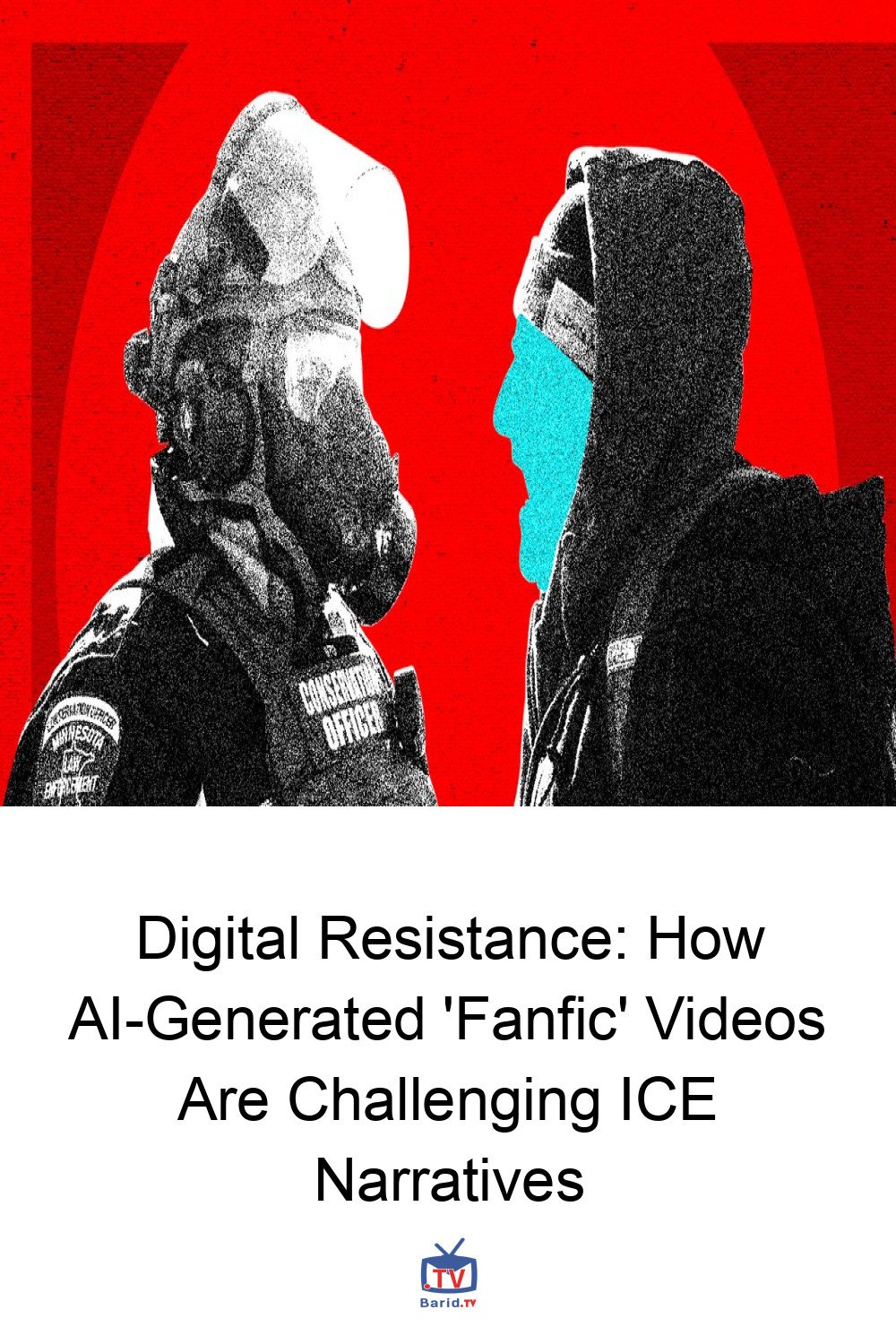
Imagine a New York City school principal, bat in hand, bravely confronting masked ICE agents, her actions met with a chorus of cheers. Or a server, flinging hot noodles at officers, while a shop owner deftly asserts her Fourth Amendment rights. These aren’t scenes from a blockbuster movie, but rather vivid, AI-generated videos that have captivated millions online. Far from ending in violence, these clips depict a world where ordinary citizens successfully defy authority, offering a potent blend of tension, bombast, and ultimately, triumph.
These compelling, albeit fabricated, scenarios are part of a burgeoning wave of anti-ICE AI content sweeping across social media. Their emergence is deeply rooted in real-world political turmoil, particularly the federal occupation of Minneapolis and the tragic deaths of two unarmed U.S. citizens, Renee Nicole Good and Alex Pretti, at the hands of government officials in January.
Fantasy as a Form of Political Resistance
In times of profound political unrest, the human capacity for fantasy—for envisioning a better world and striving to manifest it—becomes a powerful force. These AI-generated videos, garnering millions of views on platforms like Facebook and Instagram, tap into this innate desire. They construct a digital multiverse where ICE agents are not above the law, where accountability is paramount, and where the rule of law applies equally to all. It’s a form of revisionist justice, offering a cathartic escape and a space for imagining alternative outcomes to grim realities.
Pushing Back Against Distorted Narratives
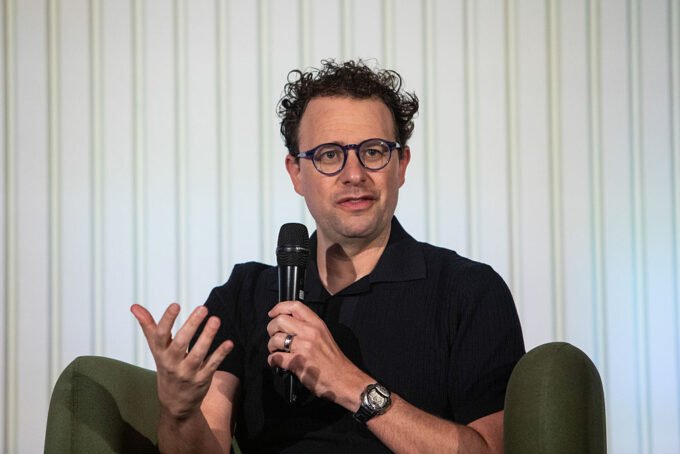
Nicholas Arter, an AI creator, views these videos as a crucial mechanism for people to challenge the often-distorted narratives propagated by the Trump administration and its allies. “Over the last decade, social media served that role by giving a voice to people who lacked access to traditional media,” Arter explains. “It’s not surprising that with AI, another major technological shift, we’re seeing similar patterns repeat, with people using the tools available to articulate emotions, fears, or resistance.”
However, this digital catharsis comes with a caveat. While empowering, the videos themselves are a form of distortion. This can carry significant consequences, potentially reinforcing harmful stereotypes, such as portraying people of color as agitators, or fostering public skepticism towards genuine video evidence.
The Prolific Creators and Their Vision
Among the most prolific purveyors of this genre is an account operating under the name Mike Wayne. Since the shooting of Renee Nicole Good on January 7th, Wayne has uploaded over a thousand videos to Instagram and Facebook, frequently depicting people of color successfully resisting ICE agents. These clips function as digital counter-narratives: an ICE agent enduring a perp walk, an officer receiving a slap from a Latina woman, or a priest expelling masked officials from his church with a defiant declaration: “I don’t know what god you worship, maybe an orange one, but my god is love.” (This stands in stark contrast to real-world events, where federal agents recently arrested approximately 100 clergy members during a protest in Minneapolis.)
These videos craft an alternative timeline where the fervent anger and resistance of Americans against federal occupation do not result in loss of life, and where accountability is not merely a concept but a tangible outcome. One of Wayne’s most viral clips, depicting an ICE agent clashing with white tailgaters at a sporting event, garnered 11 million views in under 72 hours—a testament to its surreal appeal and the underlying sentiment of “Down with fascism.”
Humor and the ‘Fan Fiction’ Element
Humor also plays a pivotal role in these fan-fiction-style creations. A clip from the meme account RealStrangeAI, for instance, shows four drag queens in neon wigs playfully chasing ICE officers through a Saint Paul neighborhood. The comments reflect the mixed reception: “This is fake. ICE can’t run,” one user quipped, while another responded, “Love it. Don’t care if it’s ‘fake,’ want to see it inspire.”
Arter, founder of AI for the Culture, notes the varied motivations behind these creations. While some genuinely lean into the “fan fiction” aspect, others are likely driven by the pursuit of “virality or monetization by leaning into controversial or emotionally charged content.”
AI as a Tool for Political Capital and Influence
Joshua Tucker, co-director of New York University’s Center for Social Media, AI, and Politics, highlights how AI manipulations are increasingly used to accrue political capital online. This involves both demonstrating widespread support for one’s views and engineering viral content that aligns with them. “I suspect the goal of making these kinds of AI-generated videos is to draw on both of these strategies: to add more anti-ICE content to social media and to potentially make popular anti-ICE content so that it goes viral,” Tucker explains.
Indeed, AI manipulation has become a potent, if sometimes unsettling, instrument for political influence across the spectrum. The Trump administration itself recently utilized altered imagery, posting a manipulated photo of civil rights attorney Nekima Levy Armstrong and labeling her a “far-left agitator” after her arrest during a peaceful demonstration.
As AI tools become more accessible and sophisticated, the line between digital fantasy and perceived reality continues to blur, reshaping how political narratives are constructed, consumed, and challenged in the modern era.
For more details, visit our website.
Source: Link