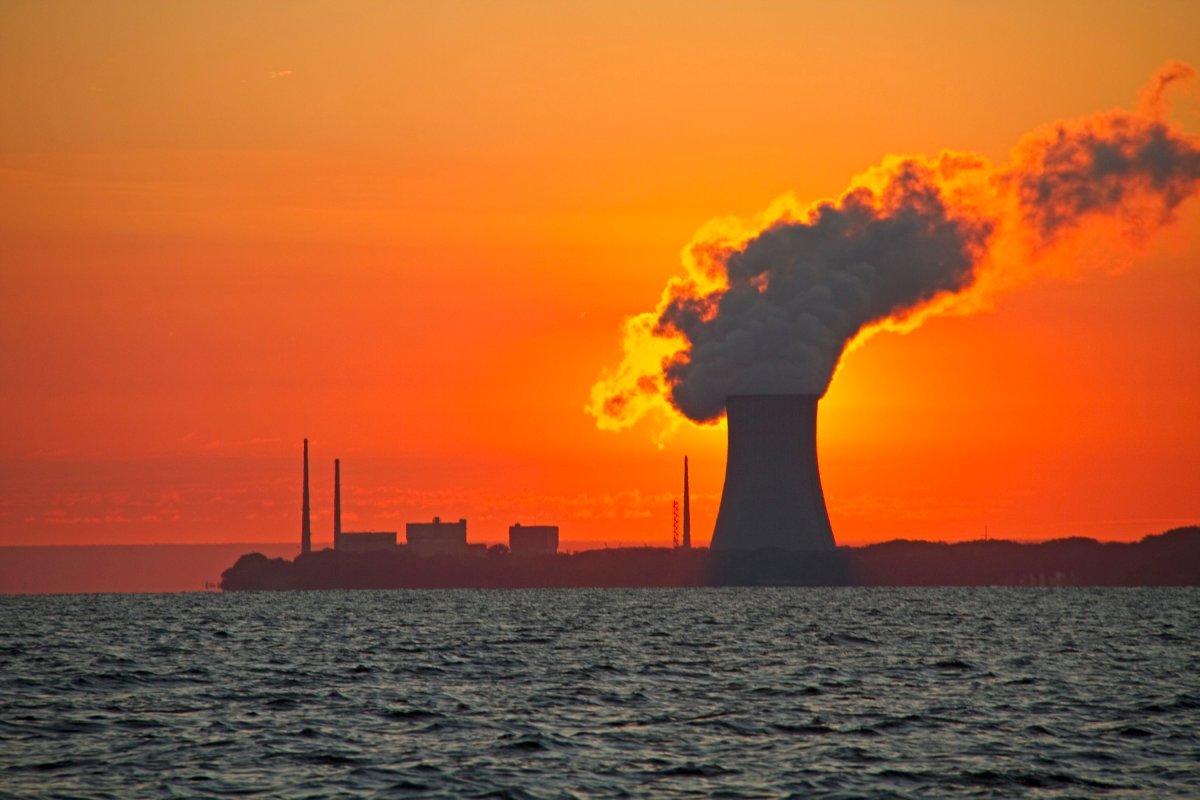

In a move that has largely flown under the radar, the Trump administration quietly enacted significant changes to federal nuclear safety policies, potentially accelerating reactor development at a considerable risk to human and environmental well-being. These revisions, affecting nuclear power plants built on Department of Energy (DOE) properties, have raised alarms among experts and environmental advocates.
A Quiet Overhaul of Safety Protocols
For months, nuclear startups have attracted substantial investment, with over $1 billion raised, largely fueled by the insatiable electricity demands of burgeoning data centers. While this surge in interest points to a potential renaissance for nuclear energy, recent policy shifts by the Trump administration could serve as another powerful accelerant – one that critics argue comes at a steep price.
According to a report by NPR, the Department of Energy’s oversight of nuclear power plant safety and security on its own properties underwent a dramatic transformation. Approximately one-third of the existing rulebook was eliminated, and numerous sections were substantially revised. What were once mandatory requirements, particularly those designed to prevent groundwater and environmental contamination, have now been downgraded to mere suggestions. Furthermore, the revised guidelines permit workers to be exposed to higher doses of radiation, and critical plant security protocols are now largely at the discretion of individual companies.
Lack of Transparency Raises Questions
Perhaps most concerning is the manner in which these sweeping changes were implemented. NPR’s investigation revealed that the new rules were developed and adopted without any public comment period or prior notice. This lack of transparency has fueled concerns about accountability and the thoroughness of the review process, especially given the sensitive nature of nuclear safety.
The Race to a Deadline: DOE Properties and Future Reactors
It’s crucial to note that these relaxed regulations apply exclusively to reactors constructed on DOE property. Nuclear facilities built elsewhere remain under the stringent oversight of the Nuclear Regulatory Commission (NRC). However, this distinction doesn’t alleviate all concerns, as several ambitious startups are currently developing demonstration reactors on DOE land. Their aim? To meet a specific Trump administration deadline of July 4, 2026, for these projects.
The push for rapid development, while understandable in the context of energy demands and technological innovation, now appears to be intertwined with a significant rollback of safety and environmental protections. The long-term implications of these changes for both the environment and the health of those working in and living near these facilities remain a pressing concern.
For more details, visit our website.
Source: Link