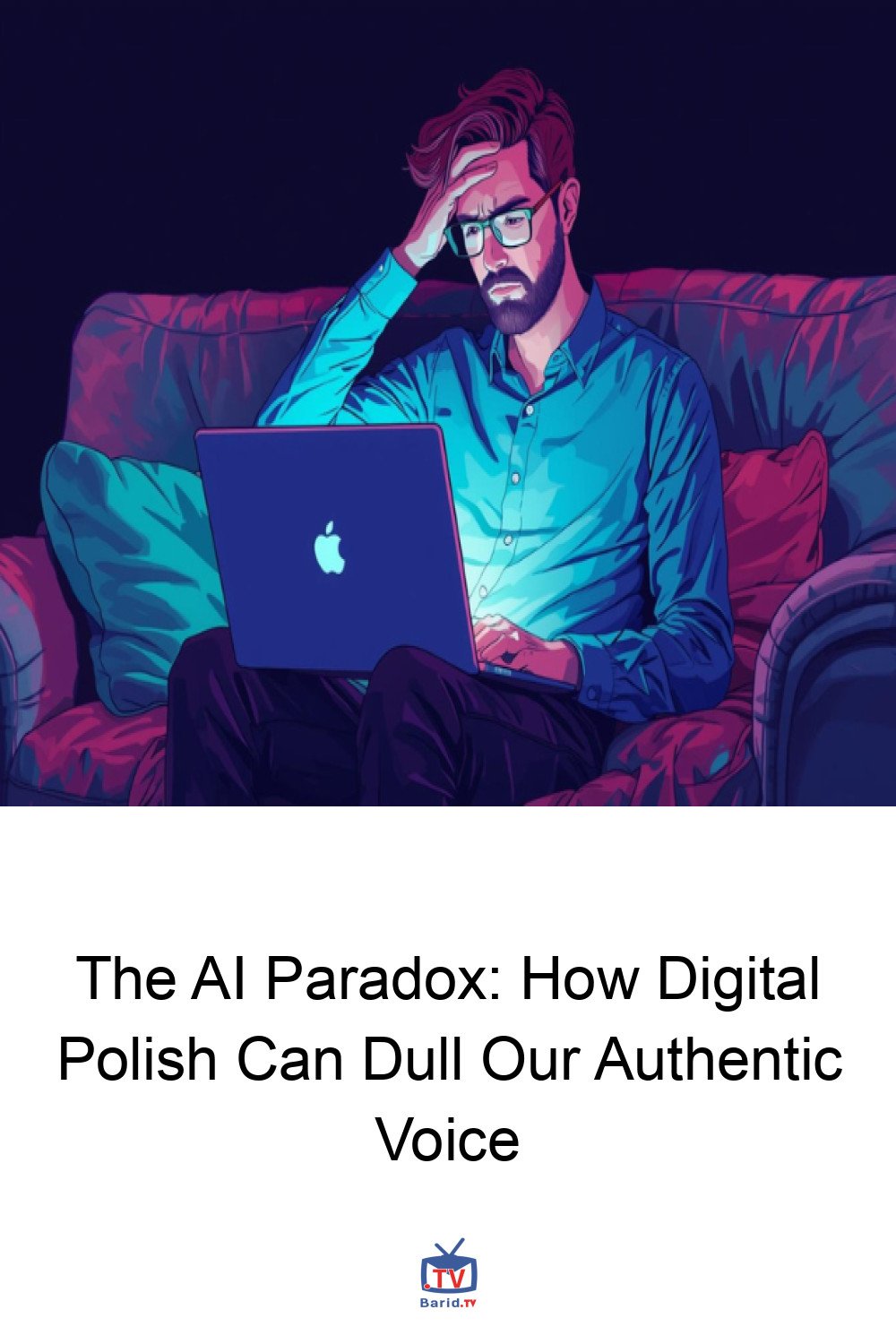
The clock hands crept past midnight, casting long shadows across my kitchen table. Still in the day’s battle attire, phone clutched in hand, I found myself in a familiar, unsettling tableau. A day of relentless meetings, difficult decisions, and the emotional weight of leadership had left me wired but weary. My solace, surprisingly, wasn’t a friend or a therapist, but an AI chatbot. I’d just poured out a raw, unfiltered paragraph about the crushing burden of my role, the guilt of feeling depleted when my very job revolved around caring for others. “I feel like I’m failing everyone,” I typed. The response was instantaneous: calm, validating, impeccably phrased. A wave of relief washed over me, quickly followed by a chilling sense of emptiness. As the head of a large mental health service, I am the one others turn to for strength and clarity. Yet, in that quiet moment, I realized I had outsourced my own emotional processing to a machine, one exhausted conversation at a time.
The Silent Erosion of Self: When AI Replaces Authentic Expression
From my vantage point, a disquieting pattern has emerged, playing out in hushed tones across professional and personal spheres. Colleagues, friends, and even leaders confess to a similar reliance on AI:
- “I drafted my message with AI first to avoid sounding too emotional.”
- “I consulted a chatbot to see if I was overreacting before replying.”
- “Sometimes, it’s just easier to talk to it than to anyone else.”
We’re all quietly engaging in this digital alchemy, seeking AI’s assistance to:
- Curate the “right” tone to prevent conflict.
- Frame our feelings as reasonable, not “excessive.”
- Obtain swift answers when mental fatigue precludes deeper introspection.
This isn’t inherently malicious or a sign of weakness; it’s a deeply human desire for reassurance, comfort, and validation. However, as I observed this trend in others and then caught its reflection in my own midnight solitude, an uncomfortable truth surfaced: in my relentless effort to hold everything together for everyone else, I had gradually lost touch with how to navigate my own emotional landscape. AI hadn’t created this void, but it had certainly made it easier to ignore.
The Pattern That Became Undeniable
Once seen, this pattern became impossible to unsee. I witnessed a manager employing AI to soften crucial feedback, transforming genuine disappointment into something “less harsh.” A friend used it to rehearse a difficult conversation with their co-founder about burnout, fearing their raw feelings might be misconstrued. Even a seasoned clinician, a colleague I deeply respect, drafted a message to me via AI, terrified of articulating their workload concerns incorrectly, lest it appear ungrateful or unprofessional.
Beneath these instances lay a common, quiet fear: “If I express how I truly feel, I risk losing something vital—respect, connection, my job, my relationship.” So, we entrust our words to a system that remains impassive, never flinching, never blushing, never triggered. It returns a polished, kinder, more balanced version of ourselves. And insidiously, we begin to trust that curated output more than our own authentic voice.
I had to confront the uncomfortable reality that I, too, had been living this way for years. Each choice to prioritize digital polish over genuine honesty, regulation over raw truth, nudged me further away from my true self. Over time, while my thoughts became clearer, my connection to my body, my instincts, and my deepest desires grew increasingly tenuous.
A Friend’s Insight: The Unveiling of Avoidance
The turning point arrived one evening during a call with a close friend, after a particularly demanding week. We often delve into the complexities of our work—team dynamics, financial pressures, weighty decisions, and the lingering emotional toll of responsibility. I delivered my usual, well-rehearsed summary: “It’s been a significant week, but it’s part of the journey. We’re growing, and it’s a privilege, for which I’m grateful…”
A moment of silence hung between us. Then, his gentle but direct question cut through my carefully constructed narrative: “That all sounds very polished. How are you actually?”
I paused, caught off guard. My immediate instinct was to offer another tidy, measured response, the kind perfectly suited for a podcast interview or a professional newsletter. But then, I noticed my mind grasping for the familiar, AI-generated phrases I’d grown accustomed to seeing on screens: “It’s understandable that I feel…” “On the one hand… on the other hand…” “A more balanced view would be…” They sounded wise, yet they felt profoundly untrue.
For a few disorienting seconds, I couldn’t locate my own words. I had become so adept at articulating myself in carefully regulated language—for staff, partners, stakeholders—that I had almost forgotten how to speak simply as a person, stripped of my professional role. The blame, I realized, couldn’t be laid at AI’s feet alone. It was a mirror reflecting a deeper, personal habit of emotional detachment.
For more details, visit our website.
Source: Link