

Meta’s ambitious journey into the metaverse continues to be a costly endeavor, with its Reality Labs division reporting a staggering $6.02 billion operating loss in the fourth quarter. This figure not only surpassed analyst expectations but also underscores the significant financial investment required to build the digital worlds envisioned by CEO Mark Zuckerberg.
The Billions Behind the Metaverse Dream
The latest financial disclosures reveal that Meta’s Reality Labs unit generated $955 million in sales during the fourth quarter, yet incurred an operating loss of $6.02 billion. This performance was worse than analysts’ projections, who had anticipated a loss of $5.67 billion on $940.8 million in revenue. Year-over-year, Reality Labs’ losses swelled by 21%, even as sales saw a modest 13% increase. Since late 2020, the segment has accumulated nearly $80 billion in total operating losses, painting a clear picture of the scale of Meta’s investment in its future.
Zuckerberg’s Vision and a Peak in Losses
Despite the substantial financial drain, Meta CEO Mark Zuckerberg remains steadfast in his long-term vision for the metaverse. During an earnings call, he addressed the mounting losses, stating, “I expect Reality Labs losses this year to be similar to last year, and this will likely be the peak as we start to gradually reduce our losses going forward while continuing to execute on our vision.” This statement suggests a strategic inflection point, where the company anticipates a stabilization and eventual reduction in the division’s financial outflows.
A Strategic Pivot: From VR to AI and Wearables
Meta’s commitment to its metaverse vision is now accompanied by a significant strategic recalibration. Earlier in January, the company initiated layoffs affecting over 1,000 Reality Labs employees, signaling a deliberate shift in resources. The focus is increasingly moving from pure virtual reality development towards artificial intelligence and wearable devices. A prime example of this new direction is the Ray-Ban Meta smart glasses, developed in collaboration with eyewear giant EssilorLuxottica.
Navigating the “VR Winter”
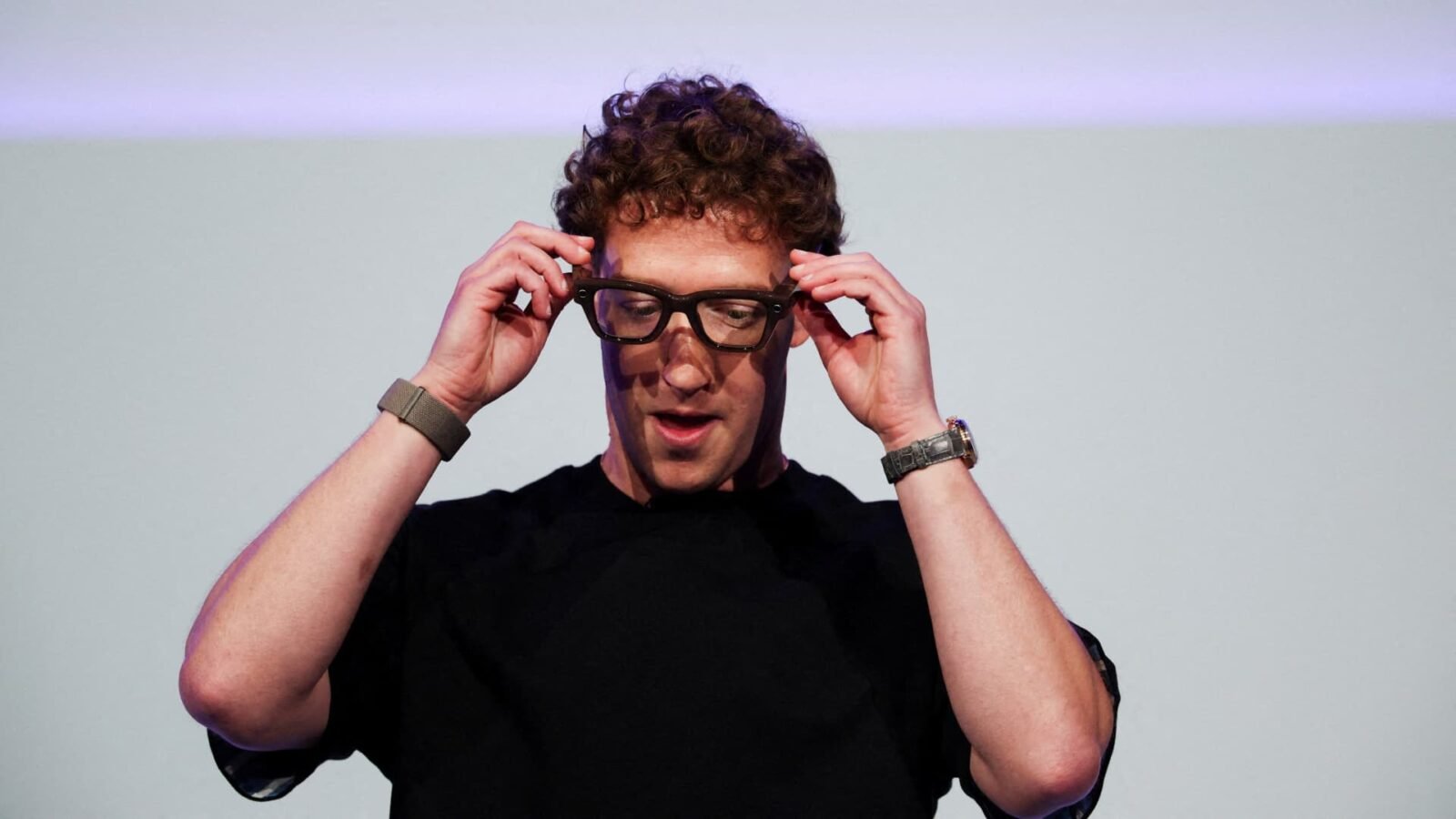
The shift has not been without its challenges, including the shuttering of several internal VR studios, which sparked concerns among some observers about a potential “VR winter.” However, Tech Chief Andrew Bosworth has publicly clarified that Meta is not abandoning its virtual reality efforts. He acknowledged, however, that the market’s growth has been slower than initially hoped by executives. Last fall, instead of a new Quest VR headset, Meta unveiled the AI-powered Meta Ray-Ban Display glasses, priced at $799, featuring a digital screen integrated into one of the lenses – a tangible sign of the company’s evolving hardware strategy.
The Road Ahead for Meta’s Digital Frontier
Meta’s latest earnings report offers a candid glimpse into the high-stakes gamble on the metaverse. While the financial losses are considerable, Zuckerberg’s outlook suggests a belief that the heaviest investment period is nearing its end. The strategic pivot towards AI and wearables, alongside continued, albeit refocused, VR development, indicates a pragmatic approach to realizing a long-term vision in a rapidly evolving technological landscape. The coming quarters will be crucial in determining if this recalibration can steer Reality Labs towards a more sustainable and profitable future.
For more details, visit our website.
Source: Link