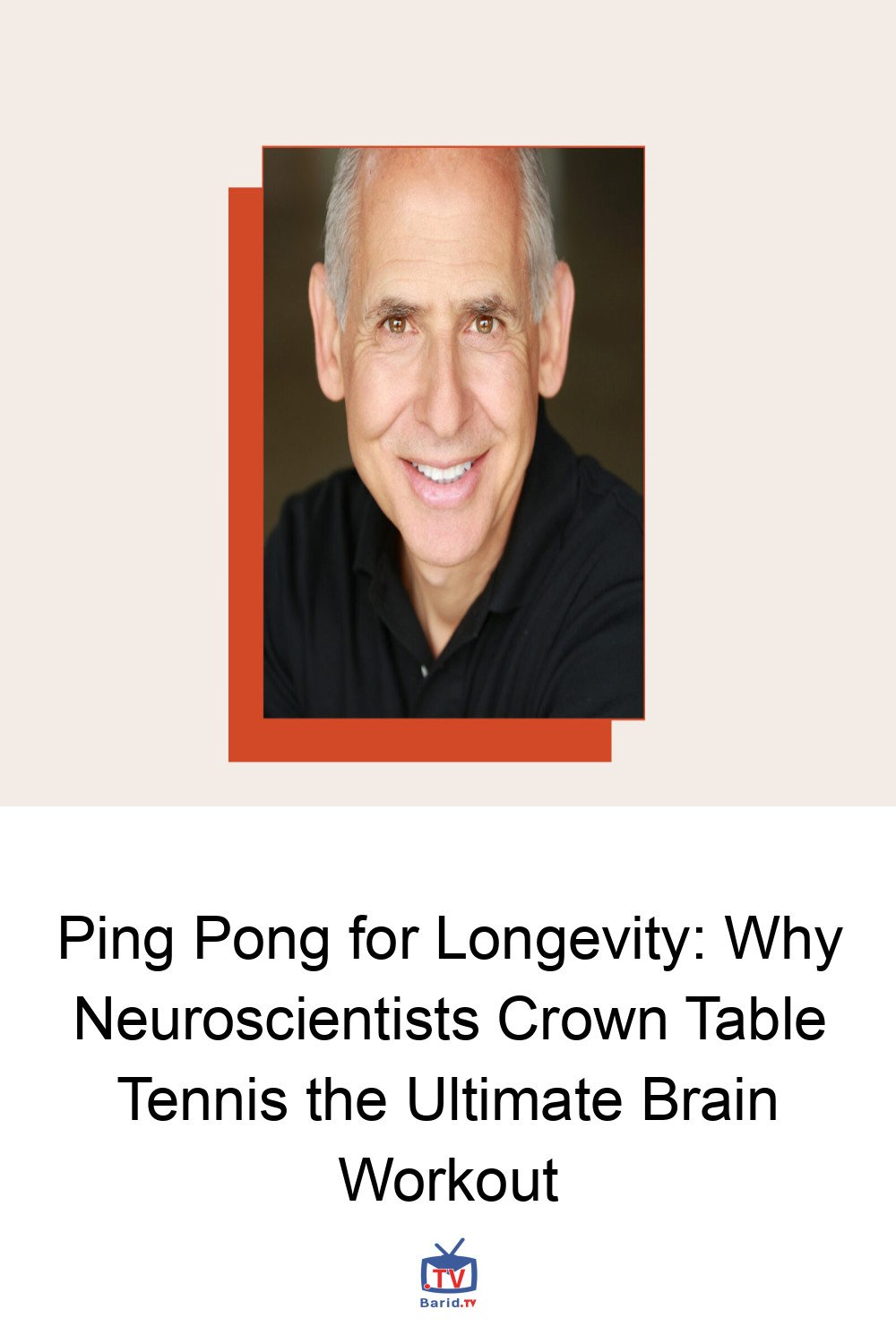
When the conversation turns to fortifying our brains against the march of time, our minds often conjure images of complex puzzles, serene meditation, or the arduous task of mastering a new language. Yet, a leading voice in psychiatry, Dr. Daniel Amen, a double board-certified physician, presents a surprisingly simple—and undeniably fun—alternative: table tennis.
On the mindbodygreen podcast, Dr. Amen championed this fast-paced game, often relegated to basements and rec rooms, as the premier exercise for bolstering cognitive function, enhancing coordination, and fostering long-term brain resilience. It turns out, the humble ping pong paddle might just be your brain’s best friend.
Beyond the Basement: Why Table Tennis Reigns Supreme for Brain Health
Dr. Amen’s assertion isn’t just a nostalgic nod to childhood pastimes; it’s rooted in the unique demands table tennis places on our grey matter. Unlike many other physical activities, this sport requires an intricate dance between your eyes, hands, feet, and unwavering attention, all working in rapid, seamless succession.
A Symphony of Senses: The Cognitive Demands
Imagine: you’re tracking a tiny ball, adjusting for its spin, making split-second micro-decisions, and executing a precise, coordinated response—all within the blink of an eye. This intense, multi-sensory engagement is precisely what the brain craves. Cognitive scientists classify table tennis as a “complex motor activity,” a term that highlights its ability to integrate physical movement with sophisticated higher-level thinking. The result? A comprehensive workout that sculpts not just your body, but also the neural pathways crucial for focus, lightning-fast reaction times, and robust executive function.
The Longevity Link: More Than Just a Game
The benefits extend beyond immediate cognitive gains. Research consistently points to a compelling longevity advantage for individuals who regularly engage in racket sports—be it table tennis, tennis, racquetball, or pickleball. One significant study revealed that racket sports were associated with the most substantial reduction in all-cause mortality compared to any other physical activity. This potent blend of strategic thinking, rapid physical exertion, and invaluable social interaction likely contributes to these profound long-term health outcomes.
Unpacking the Neuroscience: How Ping Pong “Lights Up” Your Brain
Perhaps the most captivating aspect of Dr. Amen’s insights delves into the brain’s intricate internal wiring, specifically a lesser-known neurological concept: crossed cerebellar diaschisis.
The Cerebellum’s Hidden Power
Traditionally viewed primarily as the brain’s motor control center, the cerebellum is now recognized as a pivotal player in cognitive processing and even emotional regulation. It’s the maestro of timing, rhythm, and flow, not just in our movements, but in our thoughts. When this vital region becomes sluggish, individuals may find themselves grappling with diminished mental clarity, struggles with multitasking, or difficulty maintaining stable emotional responses.
Bridging the Gaps: Crossed Cerebellar Diaschisis Explained
In essence, crossed cerebellar diaschisis describes how underactivity or injury in one brain region can inadvertently suppress function in another. For instance, compromised activity in the left frontal lobe can lead to reduced function in the right cerebellum. This is where table tennis truly shines. Exercises that demand high levels of coordination vigorously stimulate the cerebellum. This stimulation, in turn, helps to activate the frontal lobes—the brain’s ultimate command center responsible for planning, sustained focus, impulse control, and critical decision-making. By regularly engaging in such activities, you’re not merely improving your game; you’re actively reinforcing the neural circuits that underpin virtually every aspect of your daily life.
As Dr. Amen eloquently puts it, table tennis doesn’t just challenge the brain; it “lights it up.”
Serve Up Brain Benefits: Easy Ways to Incorporate Racket Sports
You don’t need to aspire to professional athleticism to unlock the profound cognitive advantages of racket sports. Integrating this brain-supportive movement into your weekly routine can be surprisingly straightforward:
Start Small, Play Often
- Even brief sessions of 10-15 minutes can yield significant value. The rapid-fire decision-making and dynamic movements are key to stimulating those crucial brain circuits.
Find Your Racket Rhythm
- While table tennis is Dr. Amen’s top recommendation, other racket sports like tennis, racquetball, and pickleball offer comparable neurological benefits. The most effective exercise is always the one you genuinely enjoy and will consistently pursue.
Strategize for Success
- To maximize the cognitive workout, move beyond simply hitting the ball. Focus on refining your accuracy, mastering spin, or precisely placing your shots. This emphasis on skill-building deepens the neurological engagement and amplifies the brain benefits.
Warm Up Your Wits
- Incorporate simple coordination drills, such as bouncing a ball on a paddle or switching hands. These exercises are excellent for priming the cerebellum and are particularly beneficial for beginners.
The Social Advantage
- Brain health thrives on social connection. Playing with friends or family members introduces valuable emotional and cognitive layers, significantly contributing to overall mental resilience and well-being.
The Takeaway: Supporting your cognitive health doesn’t require an elaborate, complex training regimen. Often, the most potent tools are the most accessible and enjoyable. Table tennis offers a multifaceted challenge to your brain, engaging coordination, timing, focus, strategy, and social interaction. It’s a playful yet powerful path to a sharper, more resilient mind.
For more details, visit our website.
Source: Link