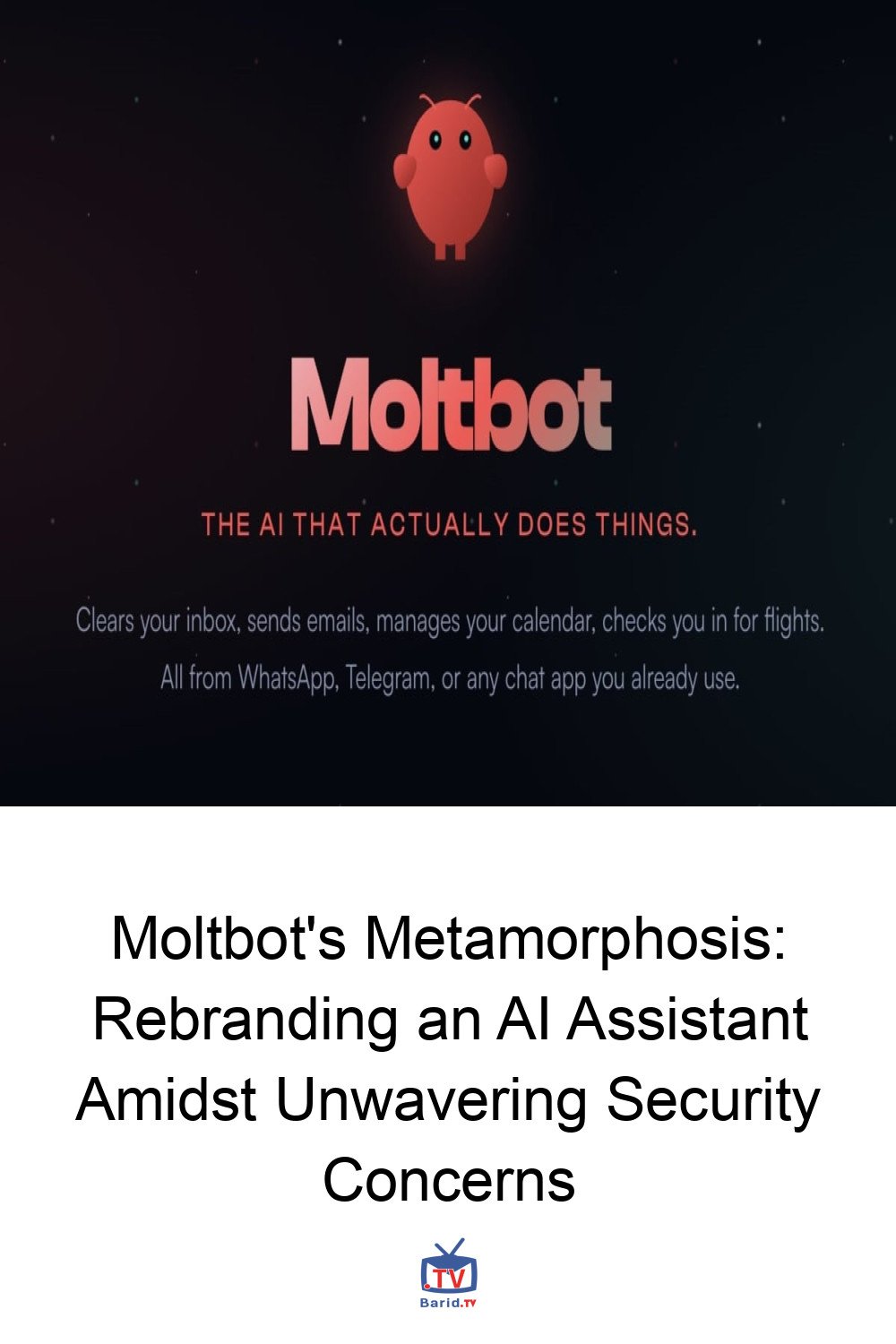
Moltbot’s Metamorphosis: Rebranding an AI Assistant Amidst Unwavering Security Concerns
The digital landscape is abuzz with the promise of agentic AI assistants – intelligent programs designed to act on our behalf, streamlining our digital lives. Among the latest to capture the tech world’s imagination is Moltbot, an open-source marvel that recently underwent a rather public rebranding. While its name may have changed, the fundamental questions surrounding its security and the inherent risks of granting an AI unfettered access to your digital domain remain as pertinent as ever.
Unpacking Moltbot: Your New Digital Butler?
Initially introduced as “Clawdbot,” this innovative AI is engineered to function as a personal assistant with significant autonomy. In essence, you empower it with comprehensive access to your computer, enabling it to tackle a diverse range of tasks. Imagine an AI that can meticulously organize your inbox, assist with coding projects, or even manage your calendar – all allegedly at your command. What sets Moltbot apart is its accessibility; users can interact with it via their preferred chat applications, such as WhatsApp or iMessage, bypassing a dedicated interface. The enthusiasm surrounding its capabilities is palpable, with some early adopters even dedicating Mac minis solely to run this powerful bot locally.
The Name Game: From Clawdbot to Moltbot
The origin of “Clawdbot” is a tale of inspiration and, ultimately, a trademark tussle. Creator Peter Steinberger revealed his muse to be the distinctive monster that appears when users reload Claude Code, a prominent AI product from Anthropic. Steinberger embraced a lobster motif for his own mascot, affectionately naming it “Clawd,” which naturally led to “Clawdbot.” However, a critical oversight emerged: Anthropic also refers to its Claude Code mascot as “Clawd.”
The burgeoning popularity of Clawdbot quickly brought it to Anthropic’s attention. Operating in the same highly lucrative AI sector, Anthropic was swift to act. By Tuesday, “Clawdbot” was no more. The company officially announced its transformation to “Moltbot,” a clever nod to a lobster shedding its shell, with its mascot now known as “Molty.” The change, as stated on Moltbot’s official X page, was a direct request from Anthropic over “trademark stuff.” Steinberger’s personal X account offered a more direct sentiment: “I was forced to rename the account by Anthropic. Wasn’t my decision.”
The Unwavering Shadow of Security Concerns
Despite the rebranding, the core functionality and, crucially, the inherent security implications of Moltbot remain unchanged. It continues to be an open-source project, designed for local deployment on personal devices. This local operation, while offering a degree of perceived control, does not mitigate the profound security risks associated with granting such a program “incredible access” to your hardware and its sensitive data.
The primary concern revolves around the potential for malicious prompt injection. With Moltbot having extensive permissions – from managing your emails to accessing your code – a single, cleverly crafted malicious prompt could potentially compromise your entire system. The lack of clear, robust safeguards outlined for protecting this data is a significant red flag. As the saying goes, a lobster molts its shell to grow; in Moltbot’s case, a security lapse could see it “molt” your digital privacy and security.
For now, the cautious advice stands: while the allure of an agentic AI assistant is strong, users should exercise extreme vigilance. The power of Moltbot comes with an equally significant responsibility to understand and mitigate the risks before inviting it into the most intimate corners of your digital life.
For more details, visit our website.
Source: Link