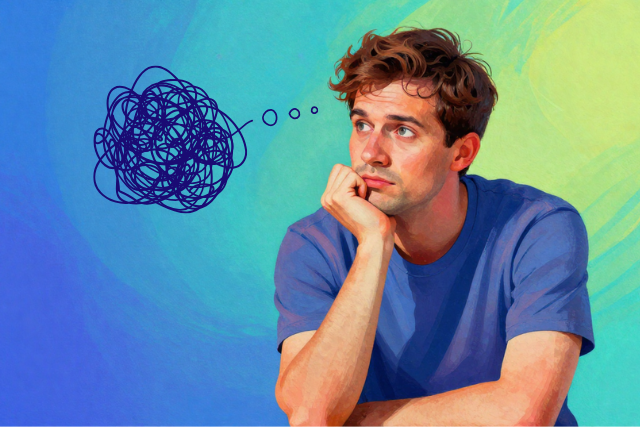


In a world that often feels relentlessly challenging, many of us find ourselves trapped in a cycle of ‘what ifs’ – a constant anticipation of the worst-case scenario. For decades, I lived under the shadow of catastrophic thinking, an internal alarm system that never truly disengaged. It wasn’t merely a habit; it felt like a duty, a form of vigilance essential for survival. Financial collapse, professional failure, health crises, humiliation, loss – these weren’t just possibilities; they were expected.
From Vigilance to Paralysis: The Filmmaker’s Dilemma
My professional life as a documentary filmmaker inadvertently honed this survival instinct. In the unpredictable world of filmmaking, anticipating every potential pitfall is paramount. Equipment failures, sudden weather shifts, emotional volatility, permissions dissolving, safety concerns, or the fleeting loss of a once-in-a-lifetime shot – we train ourselves to scan for danger, to prepare for failure before it manifests. It’s not neurosis; it’s craft, a vital part of keeping the work alive.
However, this finely tuned professional vigilance began to infiltrate and dominate my personal existence. My nervous system transformed into a permanent emergency broadcast network. Even when the cameras were off, I was bracing for impact, hour after hour, day after day. Instead of offering protection, this pervasive fear started to consume me, leaving me adrift without a clear path to disarm it.
A Glimmer of Hope: The Turning Point
The breaking point arrived after a particularly grueling period: navigating disability accommodations for declining vision due to macular degeneration, battling financial instability, supporting my adult children, and providing daily care for my ninety-six-year-old mother. I felt utterly hollowed out, depleted, and paralyzed by the future’s uncertainty.
Then, one quiet morning, something extraordinary happened. Sitting with my exhausted mother, the heavy silence of the room was suddenly pierced by her laughter – a rare, pure, bright sound that seemed to defy her age. It filled the space like sunlight, and in that instant, something profound shifted within me. For the first time in years, a different voice emerged from within – quiet, gentle, and utterly unfamiliar. It whispered: “Something good is going to happen.”
My ingrained reflexes immediately recoiled: “Don’t get your hopes up. Prepare for disaster. Protect yourself.” But the voice persisted, steady and calm: “No. Really. Something good is coming.” It felt like the first deep breath after years spent underwater, a profound release.
Beyond Reaction: Embracing Presence Over Panic
Catastrophic thinking once served a purpose. On a film set, when crisis strikes, rapid, decisive action can salvage a situation. There’s no time for collapse; you act, adapt, and move forward. Yet, there’s a crucial distinction between reaction and response. Reaction is panic; response is presence. Reaction is fear; response is awareness. Reaction is the body tensing; response is the mind opening.
For years, I reacted to life, to pressure, to loss, to uncertainty, constantly bracing myself. I mistakenly equated tension with strength. But filmmaking also taught me a forgotten truth: true success, in any endeavor, demands full presence, not a clenched, fearful grip. A filmmaker must learn to hold chaos without becoming it. And so must we, as human beings.
The Simple Practice of Cultivating Hope
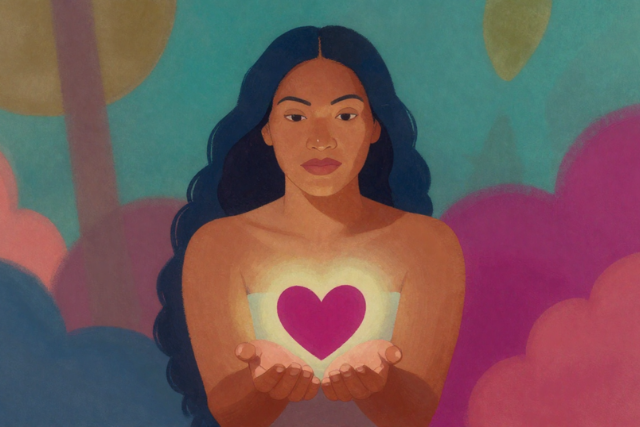
Inspired by that pivotal moment with my mother, I began experimenting with a remarkably simple practice. Whenever fear attempts to seize control, I pause and ask myself: “What if something good happens instead?” This isn’t about conjuring fantasy or denying reality; it’s about acknowledging possibility. When catastrophic thoughts begin their familiar descent, I gently acknowledge them: “Thank you for trying to protect me. But today, I am choosing hope.”
Slowly, subtly, something extraordinary has begun to unfold. I am learning to anticipate good outcomes rather than bracing for disaster.
An Internal Revolution: The Power of Earned Hope
Outwardly, little has changed. My financial situation remains precarious. My vision continues its decline. Caregiving responsibilities are as demanding as ever. The future is still shrouded in uncertainty. Yet, internally, everything feels profoundly different. The constant bracing has ceased. The mental rehearsals of collapse have stopped. The assumption of the worst has been replaced by something new: a grounded, humble, and deeply earned hope.
This shift allows me to make decisions from a place of possibility, not panic. I find myself supporting my son’s study trip to Spain despite tight finances, persisting in submitting my writing and books despite rejections, advocating for disability rights with clarity rather than desperation, choosing trust over dread, and writing from a place of openness instead of defense. It feels as though I stand on the precipice of a new chapter, and perhaps, this very feeling is the genesis of the good things to come.
A Message for Every Weary Soul
If your mind, like mine once did, constantly prepares for disaster, I understand the profound exhaustion it brings. I lived that way for decades. But here is the liberating truth I am discovering:
- Survival is not synonymous with living.
- Fear is not synonymous with wisdom.
- Preparation is not synonymous with panic.
Hope is not naive. Hope is not weak. Hope is not foolish. Hope is a choice. Hope is a discipline. Hope is resistance.
Embrace the Daily Practice:
Here is the simple yet powerful practice I now integrate into my daily life:
- Morning: What is one good thing that might happen today?
- Evening: Where did hope show up today?
By consciously seeking out the good, we cultivate a new internal landscape, one where possibility, not dread, leads the way.
For more details, visit our website.
Source: Link