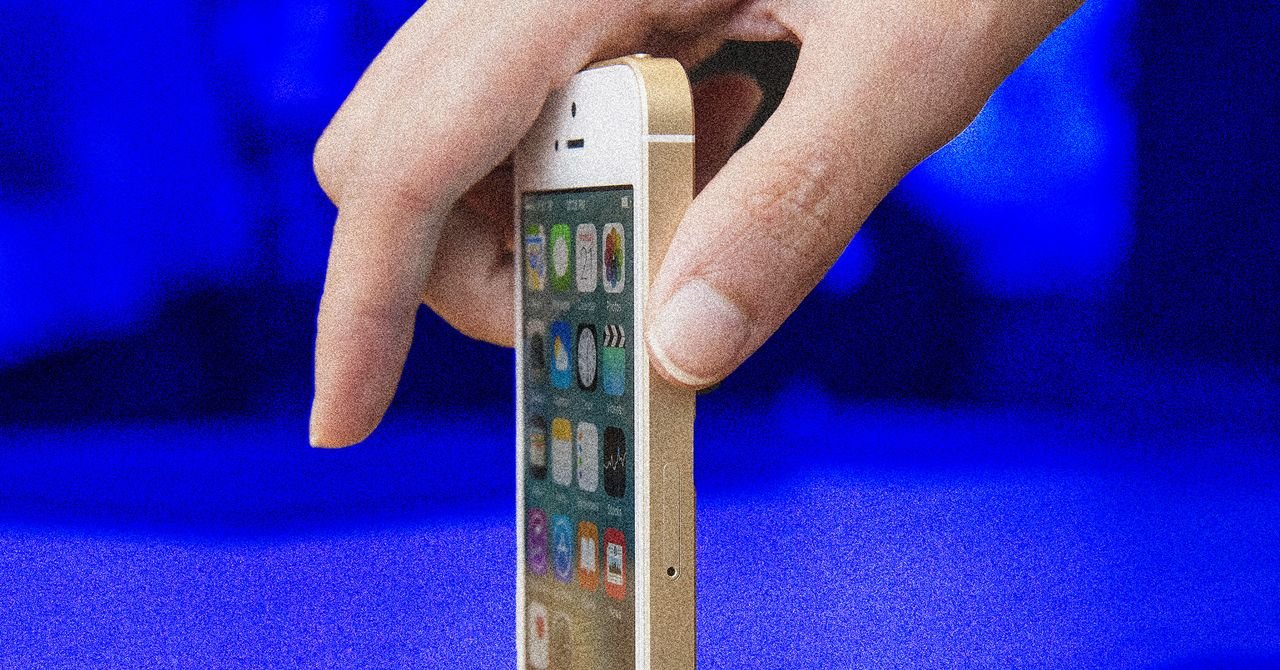

In an unexpected and rather significant move, Apple has extended a digital lifeline to a range of its older iPhones and iPads, releasing a series of updates for long-retired iOS versions. While the tech giant typically ceases active support for devices after a few years, this latest batch of patches isn’t about addressing critical security vulnerabilities or introducing groundbreaking new features; it’s about keeping essential communication services alive on hardware many thought had seen its last update.
A Nod to Nostalgia: Ensuring Continued Connectivity
For years, Apple’s established policy has been to provide security-only patches for a year or two after a device loses support for the latest iOS. However, revisiting operating systems that haven’t seen an update in months, or even years, is a rare occurrence. This week, that rarity became a reality, much to the surprise and potential relief of users clinging to their older devices.
The updates, which include iOS 12.5.8, iOS 15.8.6, and iOS 16.7.13, are rolling out to devices spanning a decade of Apple innovation. This means iPhones as venerable as 2013’s iPhone 5S and 2014’s iPhone 6, alongside the iPhone 6S, iPhone 7, iPad Air 2, iPhone 8, and iPhone X, are all receiving this crucial attention. Notably, iOS 12 hadn’t been patched since January 2023, making this particular update a significant and welcome surprise.
The Critical Certificate Update Explained
So, what exactly do these updates accomplish? According to Apple’s official release notes for the iOS 12 and iOS 15 updates, their sole purpose is to refresh a crucial security certificate. This certificate is absolutely vital for the continued operation of iMessage, FaceTime, and Apple account sign-in. Without this timely update, these core services would have ceased functioning past January 2027, when the original certificates were slated to expire.
While a similar certificate update was also released for iOS 18.7.4 (a less surprising move given iOS 18’s active support for devices like the iPhone XS and XR), the absence of a comparable update for iOS 17 and the lack of explicit mention of the security certificate in the iOS 16 notes add a touch of intriguing mystery to Apple’s broader strategy for legacy devices.
The Enduring Appeal of Legacy Devices
It’s an undeniable truth that devices running iOS 12, 15, or 16 are far from cutting-edge in today’s fast-paced tech landscape. With limited RAM (often just 1 or 2 GB) and outdated Safari browsers lacking modern features and essential security patches, using them as primary smartphones or tablets for general web browsing and app usage is challenging, if not impossible. Most third-party app developers also discontinue support for these older iOS versions within a couple of years, further limiting their utility.
Yet, these older iPhones and iPads often find new purpose, embarking on second or even third lives. Many are repurposed as dedicated single-use appliances: a child’s white noise machine, a smart home controller, a simple music player, or, crucially, a basic messaging device. The ability to continue using iMessage and FaceTime extends the utility of these devices significantly, allowing them to remain connected to Apple’s ecosystem for vital communication.
Apple’s Commitment to Longevity
While calling these 10- to 13-year-old devices “actively supported” might be a stretch, this proactive move demonstrates an admirable commitment from Apple to ensure minimal functionality for its products over an exceptionally extended period. It acknowledges the secondary lives many of these devices lead and ensures that users who rely on them for basic communication can continue to do so. It’s a subtle but impactful gesture that reinforces the longevity and inherent value proposition of Apple hardware, even long after its prime, fostering continued brand loyalty and user satisfaction.
For more details, visit our website.
Source: Link