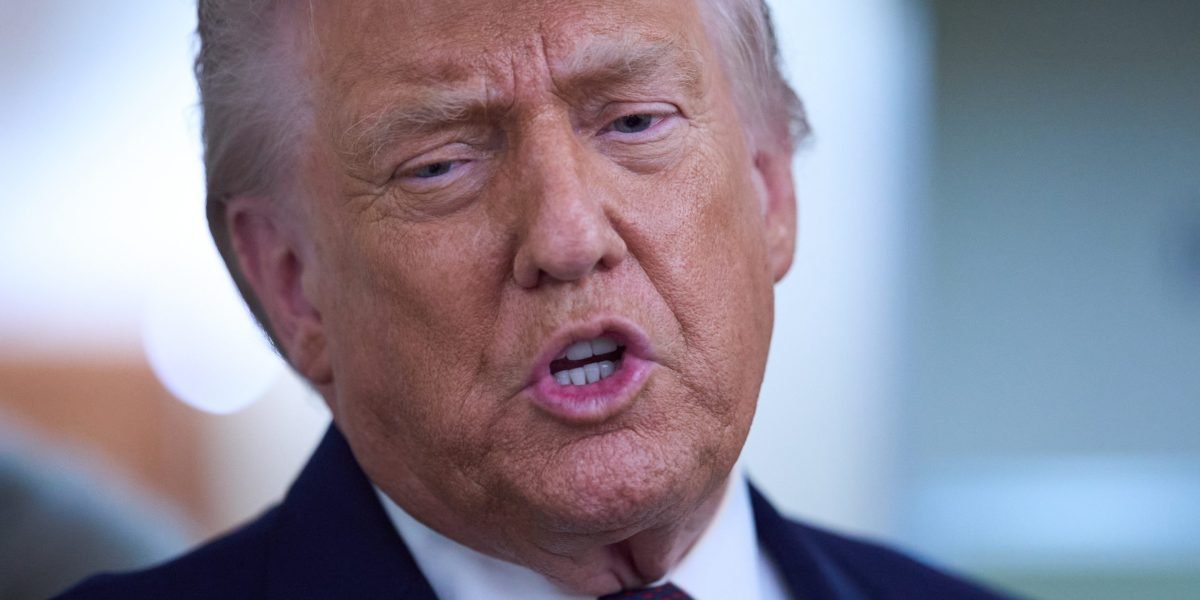

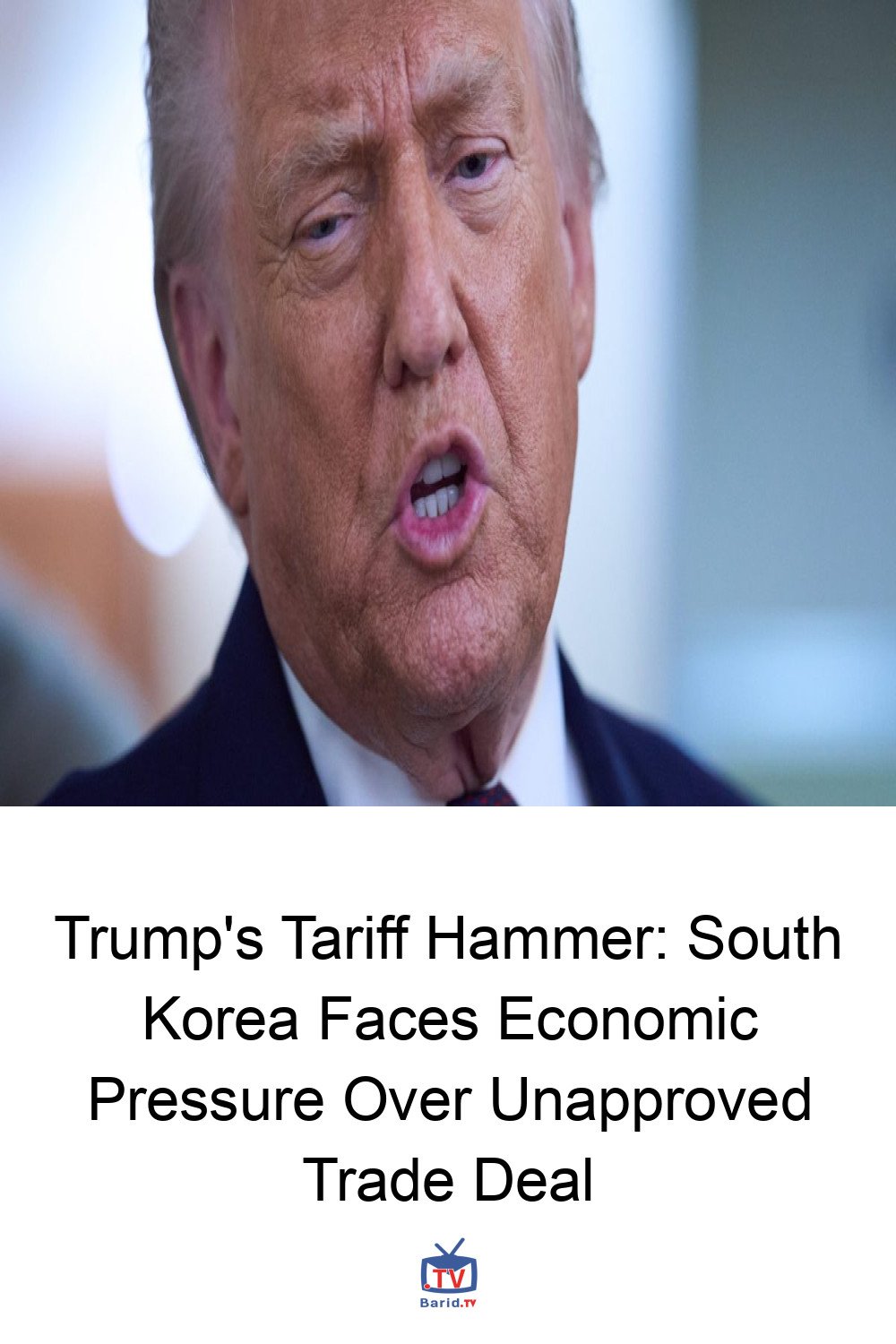
In a move signaling renewed global trade volatility, President Donald Trump announced Monday his intention to impose increased tariffs on a range of South Korean imports. The aggressive stance comes as Seoul’s national assembly has yet to ratify a trade framework agreed upon last year, prompting a sharp rebuke from the U.S. leader.
Escalating Trade Tensions
Taking to social media, President Trump declared that import taxes would be significantly raised on South Korean autos, lumber, and pharmaceutical drugs. The tariff rate on other goods is slated to jump from 15% to 25%. This unilateral decision echoes previous actions where Trump bypassed congressional approval by declaring an economic emergency to levy tariffs.
The trade framework in question was initially announced in July and reaffirmed during Trump’s visit to South Korea in October. While the U.S. president has the power to impose such measures, South Korea requires legislative approval for the deal to take full effect. Trump emphasized his expectation for reciprocal action, stating, “Our Trade Deals are very important to America. In each of these Deals, we have acted swiftly to reduce our TARIFFS in line with the Transaction agreed to. We, of course, expect our Trading Partners to do the same.”
A Pattern of Pressure
This latest threat serves as a potent reminder that the “tariff drama” that defined much of last year is far from over. The Trump administration has consistently leveraged tariffs as a tool to bend nations to its will, creating an environment of constant disruption and renegotiation within the global trade structure. This strategy has often been tied to broader economic demands, such as South Korea’s commitment to invest $350 billion in the U.S. economy over several years, including efforts to revitalize American shipyards.
However, the relationship between Washington and Seoul has not been without its bumps. Last year’s immigration raid at a Hyundai manufacturing site in Georgia, which led to the detention of 475 individuals, highlighted underlying tensions.
Seoul’s Measured Response
South Korea’s presidential office responded swiftly, stating that it had not yet received official notification of the tariff hike plan. Industry Minister Kim Jung-Kwan, currently in Canada, is expected to travel to the U.S. for urgent talks with Secretary of Commerce Howard Lutnick. Additionally, Kim Yong-beom, the presidential chief of staff for policy, will convene a meeting to discuss the implications of Trump’s announcement.
Broader Implications for Global Trade
The move against South Korea fits a discernible pattern in President Trump’s trade policy. Just last week, he threatened tariffs on eight European nations in an audacious bid to acquire Greenland, a demand he later retracted after meetings at the World Economic Forum. Similarly, Trump recently warned of a 100% tax on Canadian goods if Ottawa proceeded with plans to bolster trade with China.
Despite Trump’s frequent boasts about new trade frameworks attracting investment, many of his highly publicized deals remain unfinalized. The European Parliament, for instance, has yet to approve a trade deal that would impose a 15% tax on most EU exports. Furthermore, the U.S. is set to renegotiate its amended 2020 trade pact with Canada and Mexico this year, while ongoing Section 232 investigations and a pending Supreme Court decision on the President’s tariff authority under the International Emergency Economic Powers Act add layers of legal and economic uncertainty to the global trade landscape.
As the world grapples with a constantly shifting trade paradigm, the latest threat to South Korea underscores the enduring volatility and the potential for significant economic repercussions across international markets.
For more details, visit our website.
Source: Link