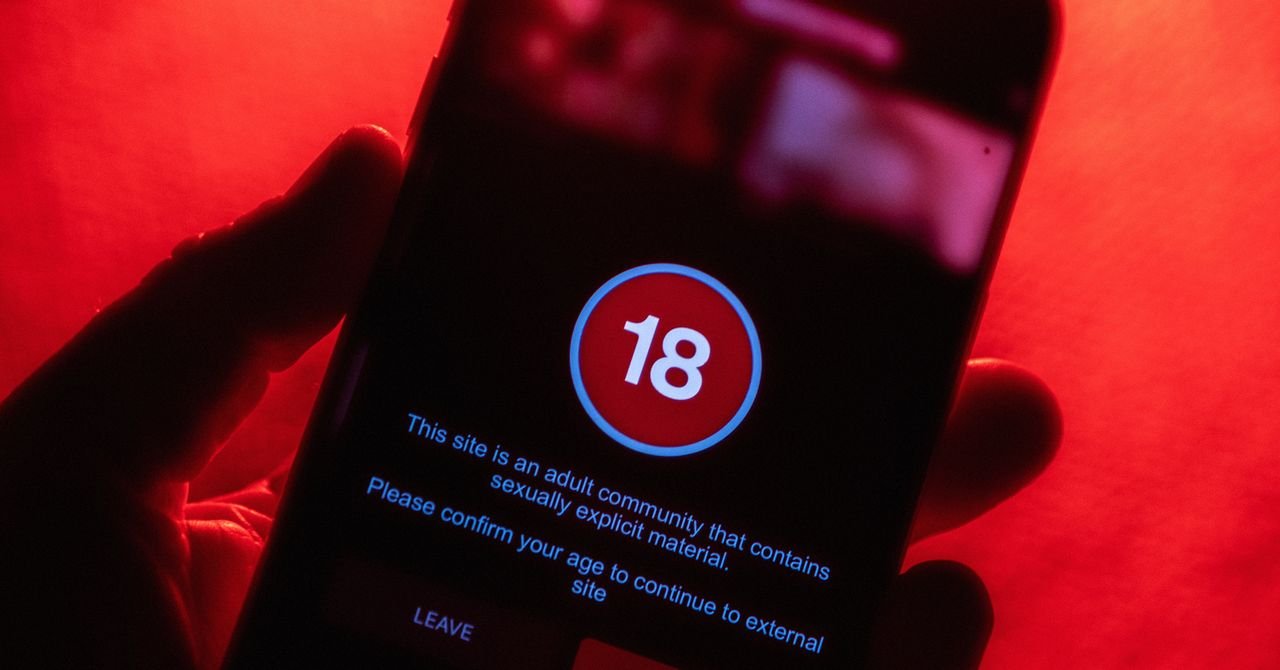

In a bold move sending ripples across the digital landscape, adult entertainment giant Pornhub announced it would block all new users in the United Kingdom starting February 2nd. This drastic measure is not a retreat, but a direct protest against the UK’s Online Safety Act, which the company labels as “flawed” and ineffective in its current form.
Pornhub’s Digital Drawbridge: A Stinging Critique of UK Law
The decision means that as of next week, only existing UK users who have already completed age verification will retain access to Pornhub’s extensive library. New registrations from the UK will be entirely suspended. This unprecedented step highlights a growing tension between content providers and legislative efforts to safeguard minors online.
The Online Safety Act: Intent vs. Reality
The UK’s Online Safety Act, with its provisions aimed at preventing minors from accessing adult content, came into force last July. It mandates various age verification methods, including facial scans, ID document uploads, and credit card checks. While the intent is laudable, Pornhub argues its implementation is deeply problematic.
According to the company, traffic from UK users plummeted by a staggering 77 percent after the Act’s introduction. However, Pornhub’s Vice President of Brand and Community, Alex Kekesi, stated, “We believe we can no longer participate in the flawed system that is in the UK as a result of the Online Safety Act.” The core of their argument is that while regulated sites like theirs comply, a vast number of “irresponsible porn sites” remain easily accessible, rendering the law largely toothless.
The Call for Tech Giant Accountability: A Device-Based Solution
Solomon Friedman, Vice President of Compliance for Ethical Partners Capital (ECP), parent company of Pornhub’s owner Aylo, demonstrated the extent of non-compliance. His presentation revealed that six out of ten top Google search results for “free porn” in the UK failed to meet age verification standards. Friedman emphasized Aylo’s commitment to preventing minor access but stressed that regulators lack the necessary tools to enforce the law effectively.
Shifting the Burden: A Plea to Microsoft, Apple, and Google
Friedman argues that true success in online age verification hinges on the proactive involvement of tech behemoths like Microsoft, Apple, and Google. He proposes a “device-based age verification” system, where a user’s age is verified and stored securely on their personal device (phone or computer) rather than being submitted to every third-party site. This approach promises enhanced privacy and a more universal application of age restrictions.
Aylo had previously urged these tech giants in November to integrate such systems into their operating systems, but as of Tuesday’s presentation, no responses had been received. While Microsoft has suggested service-level verification and Apple highlights its default web content filters for minors, Google maintains that content providers like Aylo must invest in their own compliance tools.
Beyond Porn: The Broader Implications for Online Content
The challenges of age verification extend far beyond adult entertainment sites. In the US, where 25 states have implemented similar laws, Pornhub has withdrawn from many, yet the US remains its top traffic source, with VPNs easily circumventing restrictions. Moreover, the proliferation of non-consensual sexual imagery on platforms like X (formerly Twitter) via AI chatbots like Grok, and explicit content on Google Images and Reddit, underscores a wider problem that current age verification laws fail to address.
Friedman contends that a device-based age verification system could offer a comprehensive solution, enabling filters for explicit content across social media posts, AI chatbot interactions, and even specific subreddits. This holistic approach, he suggests, is crucial for genuinely safeguarding children online in an increasingly complex digital world.
For more details, visit our website.
Source: Link