
Beyond the Blink: Unmasking Chronic Dry Eye’s Profound Impact on Your Holistic Well-being
When was the last time you truly considered the comfort of your eyes? For the estimated 16.4 million Americans grappling with chronic dry eye disease, this question isn’t a fleeting thought—it’s a constant, often debilitating, reality. Far from a mere inconvenience, dry eye disease is a chronic inflammatory condition with far-reaching consequences that extend well beyond simple dryness and irritation.
This persistent condition can significantly diminish your quality of life, affecting aspects you might not immediately connect with ocular health. Let’s delve into the intricate ways chronic dry eye can disrupt your daily existence and underscore why its proper treatment is paramount for your overall wellness journey.
Dry Eye: A Deeper Look Beyond the Surface
While dry eye can affect anyone, it disproportionately impacts individuals with screen-intensive lifestyles and those experiencing significant hormonal shifts, particularly women in midlife due to menopause. The symptoms are often more complex than commonly perceived, as explained by Danielle Orr, OD, MS, FAAO, assistant clinical professor at OSU College of Optometry.
The Vicious Cycle of Discomfort
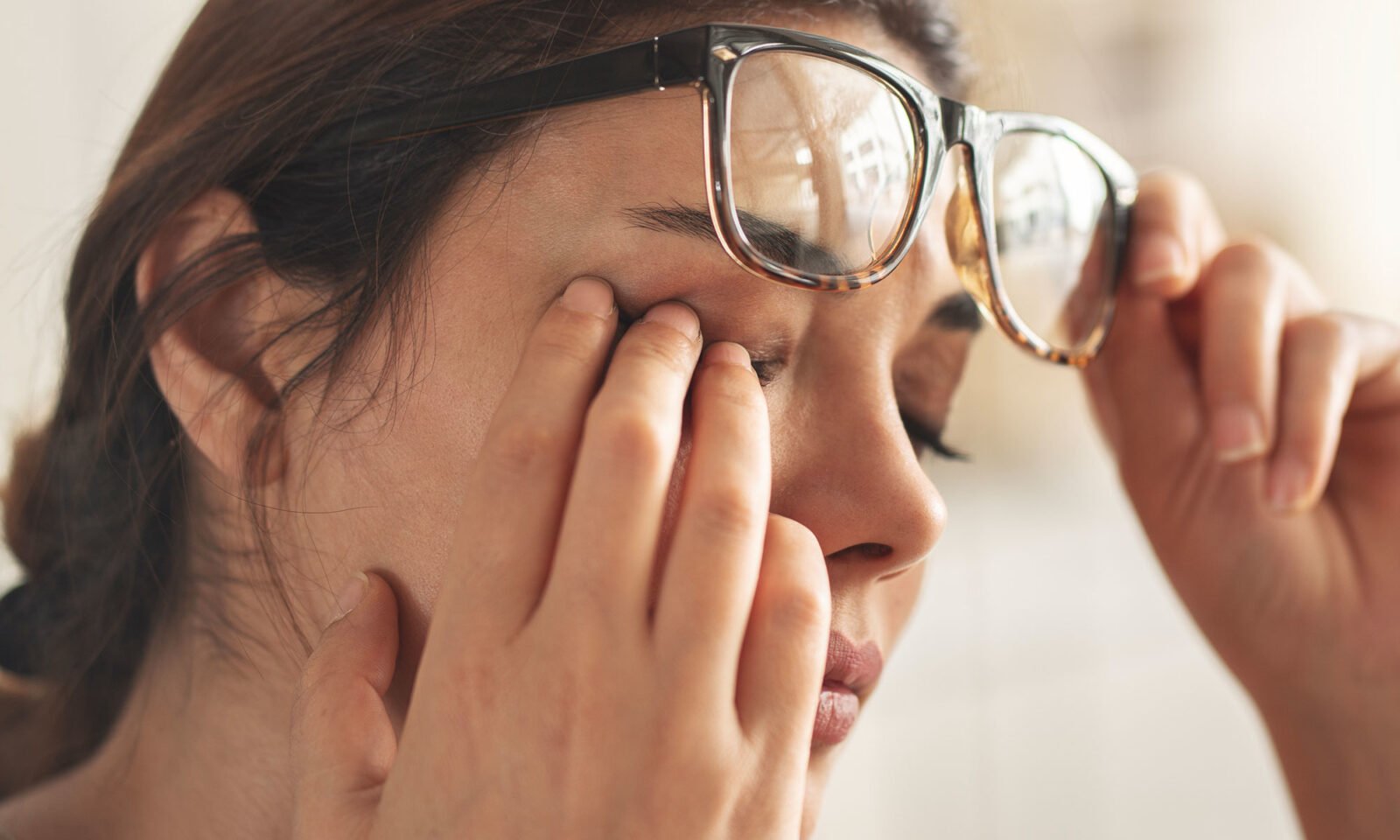
Common manifestations include a persistent feeling of dryness, grittiness, burning, and the sensation of a foreign object in the eye. Paradoxically, many sufferers also experience excessive tearing. Dr. Orr clarifies this phenomenon: “Poor tear quality causes irritation, which the brain interprets as a signal to produce more tears. However, these tears don’t effectively lubricate the eye, thus creating a vicious cycle of irritation and tearing.”
Key symptoms to watch for include:
- Persistent dryness
- Gritty or sandy sensation
- Burning or stinging
- Feeling like something is in your eye
- Paradoxical increased tearing
Left unaddressed, this chronic inflammation can pave the way for more severe complications, including vision disturbances, headaches, mood disorders, and significant sleep difficulties.
The Elusive Nature of Early Symptoms
One of the challenges with dry eye disease is its deceptive onset. “Symptoms are often inconsistent in the early stages, leading people to attribute them to long hours of work, stress, or lack of sleep,” notes Dr. Orr. Environmental factors like dust or seasonal allergies can also mask the underlying condition. However, ignoring chronic dry eye can lead to a cascade of issues that, while seemingly unrelated, are deeply intertwined with your ocular health.
The Ripple Effect: How Dry Eye Impacts Your Life
The implications of chronic dry eye stretch far beyond the eyes themselves, influencing critical aspects of your physical and mental well-being.
1. The Sleep-Stealer: Restless Nights and Tired Eyes
The relentless discomfort of dry eye symptoms can profoundly interfere with your ability to fall asleep and stay asleep. Studies indicate that nearly one in two individuals with dry eye experience poor sleep quality.
Vicky Wong, O.D., optometrist and president of the Maryland Optometric Association, explains that the inflammatory pathways associated with dry eye can damage tear glands, impairing both the quality and quantity of tears. This exacerbates daytime symptoms and extends to nighttime tear production, which is naturally lower, leading to significant eye discomfort during sleep. Furthermore, dry eye can hinder complete eyelid closure, causing pain and exposure to light, which fuels further inflammation and sleep disruption. The relationship is bidirectional: poor sleep can reduce tear secretion, intensifying dry eye symptoms and perpetuating a vicious cycle.
2. A Shadow Over the Mind: Mood, Anxiety, and Depression
Chronic dry eye can make everyday tasks, hobbies, and even simple relaxation feel like a struggle, often leading to heightened stress and reduced frustration tolerance. Dr. Wong highlights that “if left untreated, dry eyes can cause a chronic inflammatory response that can dysregulate the body as a whole.” This systemic dysregulation can manifest as chronic fatigue, stress, anxiety, depression, and even social withdrawal due to the visible redness of the eyes.
Research consistently links dry eye disease with increased rates of depression and anxiety. The condition’s negative impact on daily functioning and overall quality of life can disrupt the central nervous system. Moreover, the sleep disturbances caused by dry eye can further contribute to low mood, creating a reinforcing loop that exacerbates both conditions.
3. Eroding Your Edge: Focus, Concentration, and Headaches
Dry eye disease is a significant impediment to cognitive function, particularly focus and concentration. It often causes fluctuating vision and difficulty reading, which can be especially pronounced during screen time. The inflammation associated with dry eye can also heighten the sensitivity of your peripheral and central nervous systems, triggering headaches and even migraines, further compromising your ability to concentrate.
As these symptoms pull your attention away from essential tasks, they can intensify feelings of depression and anxiety, creating another layer of interconnected challenges.
Prioritizing Your Ocular Health for Holistic Wellness
It’s clear that chronic dry eye is not merely an isolated ocular issue but a complex condition with profound implications for your overall health and well-being. Recognizing its systemic impact on sleep, mood, and focus is the first step toward effective management. Seeking professional diagnosis and treatment is crucial, not just for eye comfort, but for reclaiming your quality of life and fostering holistic wellness.
For more details, visit our website.
Source: Link