
Trump’s Tariff Threat: A Looming Cost-of-Living Crisis for Americans
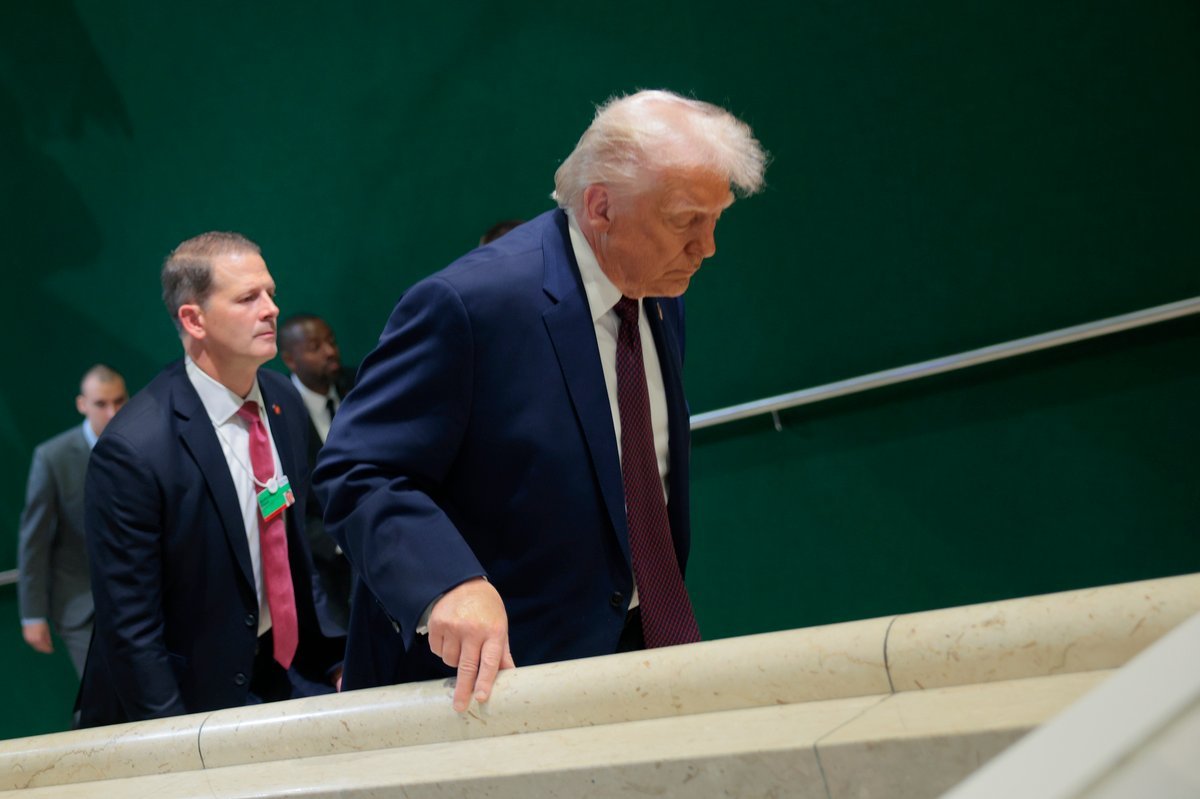
In a dramatic escalation of international trade tensions, former President Donald Trump has issued a stark warning: a 100% tariff on all Canadian goods entering the U.S. if Canada proceeds with a recently negotiated trade agreement with China. This audacious threat, delivered via Truth Social, isn’t just a political maneuver; it’s a direct challenge that, if enacted, could trigger an unprecedented cost-of-living shock for millions of American households.
Economists widely agree that tariffs, particularly those on raw inputs, are highly inflationary. A 100% tariff is not a marginal adjustment; it’s a doubling of prices at the border, with ripple effects that would permeate every stage of the supply chain, ultimately landing squarely on the shoulders of American consumers.
The Geopolitical Chessboard: Canada’s Diversification Strategy
The catalyst for Trump’s pronouncement was Canadian Prime Minister Mark Carney’s recent speech at Davos. Carney articulated a clear strategy for Canada: diversify away from an over-reliance on U.S. economic dominance. He argued that the U.S. has strayed from a system of mutual benefits and the broader ‘rule-based order,’ leaving Canada vulnerable to economic coercion.
“Over the past two decades, a series of crises in finance, health, energy, and geopolitics have laid bare the risks of extreme global integration,” Carney stated, adding, “But more recently, great powers have begun using economic integration as weapons, tariffs as leverage, financial infrastructure as coercion, supply chains as vulnerabilities to be exploited.” Carney emphasized that Canada cannot endure the ‘lie of mutual benefit’ when integration becomes subordination, highlighting recent strategic partnerships with China and the E.U., alongside trade negotiations with India, ASEAN, and Mercosur, as steps towards this diversification.
Trump’s Swift and Severe Retort
Trump’s response was swift and uncompromising, seemingly validating Carney’s very concerns about U.S. economic pressure. “If Canadian Prime Minister Mark Carney thinks he is going to make Canada a ‘Drop Off Port’ for China to send goods and products into the United States, he is sorely mistaken,” Trump declared on Truth Social. He continued, “If Canada makes a deal with China, it will immediately be hit with a 100% Tariff against all Canadian goods and products coming into the U.S.A. Thank you for your attention to this matter!”
This threat, coming just days after Carney’s public explanation of why ‘middle powers’ like Canada need to reduce their dependence on an increasingly unpredictable United States, ironically serves to underscore the very thesis Carney presented.
Why a 100% Tariff on Canadian Imports Spells Economic Pain for Americans
The sheer scale of U.S.-Canada trade integration makes the potential impact of such tariffs almost impossible to overstate. Nearly $2.7 billion worth of goods and services cross the border daily. Unlike tariffs on finished luxury goods, which might influence discretionary purchases, these proposed tariffs would target raw inputs across fundamental household budget categories, leading to a dramatic surge in the cost of living for average Americans.
Energy Prices Set to Skyrocket
Energy would be an immediate casualty. Canada supplies approximately 60% of U.S. crude oil imports and a staggering 80% to 85% of U.S. electricity imports. Imposing substantial tariffs on these vital energy imports would instantly translate into higher costs at the pump and increased heating bills, particularly for northern and midwestern states heavily reliant on Canadian energy resources.
Construction and Manufacturing Costs to Explode
Canada is also the largest foreign supplier of essential materials like steel, aluminum, uranium, and lumber to the U.S. A 100% tariff on these inputs would send shockwaves through multiple industries. Construction costs, for instance, would likely soar as Canadian lumber is a critical component in U.S. homebuilding. This would mean higher prices for new homes, repairs, and renovations. Similarly, steel and aluminum tariffs would inflate costs for everything from automobiles to household appliances. Given the deeply integrated supply chains, where parts and materials often cross borders multiple times during production, the tariff impact could compound at each stage, leading to widespread manufacturing cost explosions.
Grocery Bills on the Rise
Even the grocery aisle wouldn’t be spared. Canada is a significant exporter of agricultural products to the U.S., including wheat, canola oil, pork, beef, and seafood. A 100% tariff on these goods would directly translate to substantially higher prices for everyday food items, further straining household budgets.
Conclusion: A High-Stakes Economic Gamble
Whether President Trump ultimately follows through on his threat remains to be seen. However, the mere pronouncement has already cast a long shadow over U.S.-Canada relations and highlighted the precarious nature of global economic integration. For American consumers, the prospect of 100% tariffs on Canadian imports represents a tangible and immediate threat to their wallets, validating Prime Minister Carney’s arguments about the risks of economic dependence and the weaponization of trade.
For more details, visit our website.
Source: Link