
The Veil of Authority: Why Masked ICE Agents Spark a National Debate
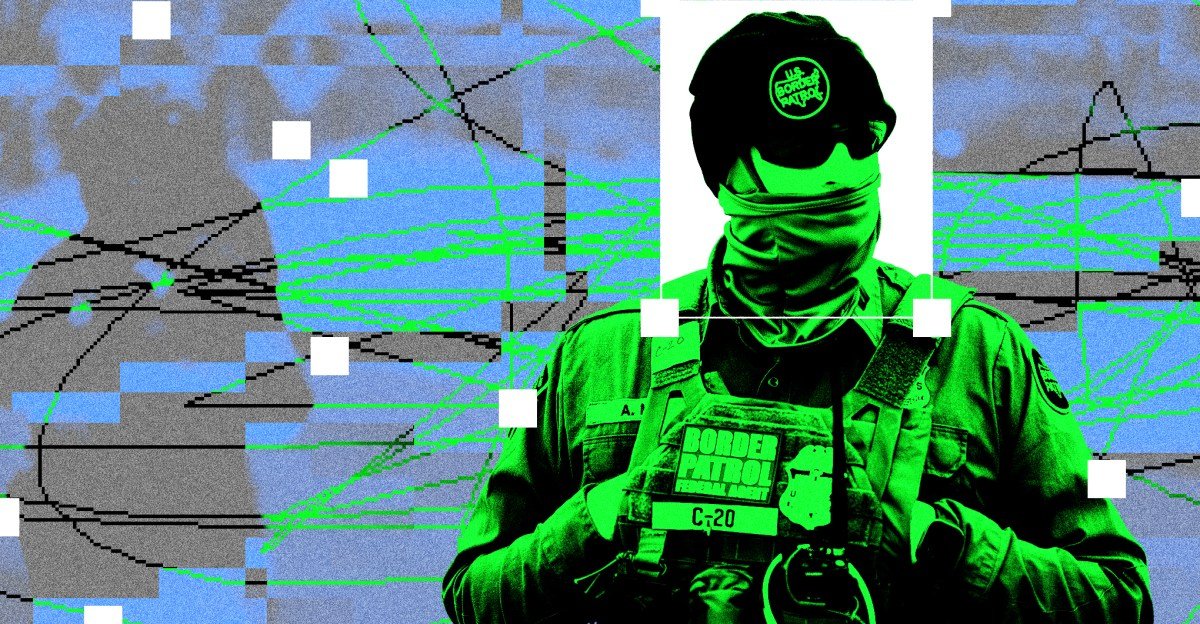
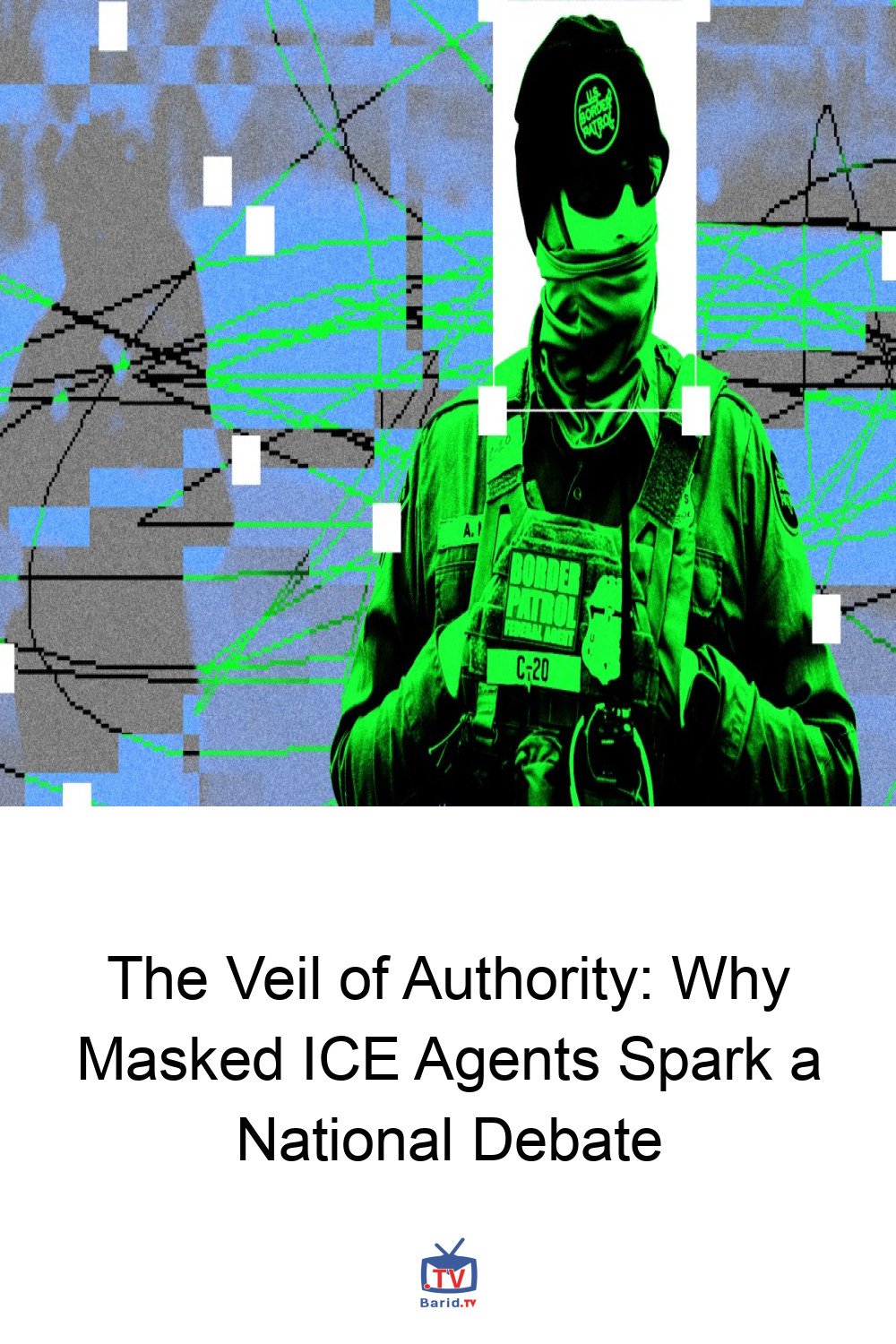
The image of masked law enforcement officers operating on American streets evokes a profound sense of unease, a sentiment deeply rooted in the nation’s commitment to transparency and accountability. For Immigration and Customs Enforcement (ICE) agents, the practice of obscuring their identities has ignited a fierce debate, pitting public demand for oversight against claims of officer safety. As states move to ban the practice, the Department of Homeland Security (DHS) is fighting back, raising critical questions about the nature of policing in a democratic society.
The Peril of Anonymity: A Threat to Public Trust and Safety
Americans have historically harbored a strong aversion to “secret police,” and for good reason. The inability to identify law enforcement personnel undermines trust and creates dangerous ambiguities. When officers are faceless, accountability becomes elusive, and the line between legitimate authority and illicit action blurs. The tragic incident in Minnesota, where an assassin masquerading as law enforcement killed state legislator Melissa Hortman and her husband, serves as a stark reminder of the potential for chaos and harm when the public cannot distinguish between genuine officers and dangerous imposters.
The core concern is simple: How can citizens be expected to discern whether they are being apprehended by legitimate federal agents or by individuals with malicious intent when identities are concealed? This ambiguity not only erodes public confidence but also places individuals at heightened risk.
States Take a Stand: The Push for Unmasked Enforcement
In response to widespread public concern, state legislatures across the country have begun to take decisive action. California led the charge last year with the passage of the “No Secret Police Act,” which explicitly restricts masking for federal law enforcement, complementing its “No Vigilantes Act” requiring identification. Predictably, the Department of Homeland Security swiftly challenged the California law on constitutional grounds, with a judge yet to rule on a preliminary injunction.
Despite the federal pushback, the momentum for transparency at the state level remains strong. Bills mirroring California’s efforts, such as the identically named “No Secret Police Act” in the House and the “VISIBLE Act” in the Senate, have been introduced in Congress. However, with Republican majorities, their path to federal law is uncertain. Undeterred, states like Maryland, Vermont, Washington, and Georgia have introduced their own anti-masking legislation, and cities like Los Angeles have passed ordinances, with St. Paul considering similar measures. Currently, at least 15 state legislatures have anti-masking bills pending, signaling a broad, bipartisan desire for greater accountability.
DHS’s Defense: Doxxing, Threats, and the Battle for Officer Safety
ICE, for its part, has vehemently defended the use of face coverings, citing a dramatic increase in threats against its agents. Homeland Security Secretary Kristi Noem, in a recent interview, accused a moderator of “doxxing” an ICE agent involved in a shooting, arguing that public identification fuels an “8,000 percent increase in death threats” and a “1,300 percent increase in assaults” against officers. The US Department of Justice echoed these concerns in its lawsuit against California’s law, listing “taunting” and “online doxxing” as serious threats.
DHS has presented evidence, including blurry screenshots of social media posts and photos of minor injuries, to substantiate these claims. While the safety of law enforcement officers is undeniably important, critics argue that the presented evidence—such as a “1,300 percent increase in the kind of blood loss you’d get from a minor skateboarding injury”—does not sufficiently justify a policy that fundamentally undermines public trust and accountability. The argument that public identification constitutes “doxxing” when an officer’s name is already public record further complicates DHS’s position.
The Constitutional Conundrum: Federalism vs. State Authority
The legal battle over masked ICE agents is poised to be a complex one, particularly for state-level legislation like California’s “No Secret Police Act.” A significant hurdle lies in the Supremacy Clause of the Constitution, which generally grants federal law precedence over state law. States typically have limited authority to dictate how federal agencies perform their duties, a cornerstone of federalism.
Legal experts offer differing perspectives on the constitutionality of these state laws. While some argue that such acts are “clear” constitutional infringements, others make the much more optimistic assessment that “under existing legal frameworks, such laws could potentially withstand scrutiny.” The outcome of these legal challenges will not only determine the future of masked federal agents but also set important precedents for the balance of power between state and federal governments in matters of law enforcement oversight.
As the debate continues, the fundamental question remains: Can a democratic society truly function with a segment of its law enforcement operating behind a veil of anonymity, or does the imperative for transparency and accountability outweigh concerns over officer identification?
For more details, visit our website.
Source: Link