

A ripple turned into a wave, then a torrent, as the U.S. dollar experienced an unexpected freefall late last week. The catalyst? An unusual “rate check” conducted by the New York Federal Reserve, sending shockwaves through currency markets and prompting a significant flight into gold. This rare intervention has ignited speculation about potential coordinated action between the U.S. Federal Reserve and the Bank of Japan, aiming to bolster the struggling yen and, in doing so, inadvertently shaking the very foundations of the dollar’s global standing.
The Fed’s Unusual Intervention and Market Fallout
The financial world was abuzz after news broke that the New York Federal Reserve had engaged in a “rate check” with currency traders regarding the dollar/Japanese yen exchange rate. This highly unusual move is widely interpreted as a signal that the U.S. central bank might be paving the way for joint efforts with the Bank of Japan to support the Japanese currency. The immediate reaction was swift and dramatic: traders began aggressively selling off the dollar.
Over the past five days, the dollar has plummeted more than 2.26% against a basket of international currencies – an astonishing decline for a currency of its global magnitude. The yen, conversely, surged over 3% against the dollar in the same period. This shift sent tremors through Asian markets, with Japan’s Nikkei 225 stock index falling 1.79% as investors fretted over the impact of a stronger yen on Japan’s crucial export sector.
Gold’s Resurgence and the Dollar’s Fading Allure
Amidst the dollar’s decline, gold emerged as the undeniable victor. The precious metal soared to a new record, breaching the $5,000 per troy ounce mark. This surge reinforces a growing “anti-dollar” sentiment on Wall Street, challenging the long-held perception of the U.S. dollar as the ultimate safe-haven asset.
Thierry Wizman of Macquarie articulated this shift, noting, “It used to be the case that any eruption of geopolitical tension tended to rally the world around the U.S. dollar… But what is happening now is different. Instead of flocking to the USD, traders flock to gold and its neighbors on the periodic table (e.g., silver, platinum) and defense stocks, and the USD has little to show for its erstwhile vauntedness.” He posits that the implicit arrangements that have underpinned global finance since World War II are slowly unraveling. Paul Donovan at UBS echoed this sentiment, suggesting that “the deterioration in the international standing of the U.S. and recent domestic events may be corroding some of the perceived supports of the dollar’s reserve status.”
The Fed’s Tightrope Walk: Wednesday’s Decision
All eyes now turn to Wednesday, when the Federal Reserve is set to announce its latest interest rate decision. While market consensus, reflected in the CME FedWatch Fed Funds futures index, points to a 97% chance of rates remaining unchanged at the 3.5%-plus level, the stakes are exceptionally high.
The backdrop is further complicated by President Trump’s vocal demands for lower rates. Ironically, this public pressure has placed the Federal Open Markets Committee (FOMC) in a delicate position, making them marginally less likely to cut rates as they strive to unequivocally demonstrate their political independence. This dynamic sets the stage for potential “fireworks” later in the week.
Powell’s Press Conference: The Real Drama
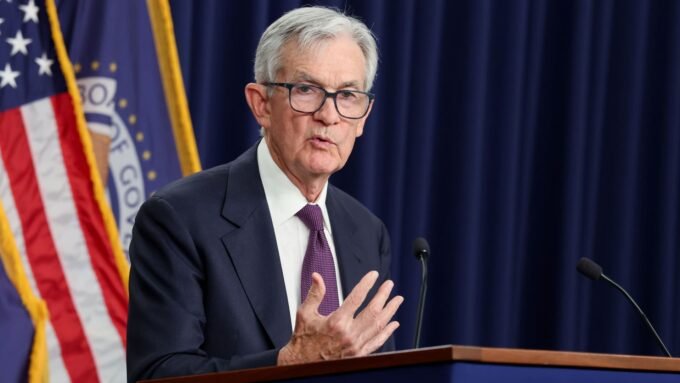
The true drama, therefore, won’t be in the rate announcement itself, but in the words of Federal Reserve Chair Jerome Powell during his post-meeting press conference. RSM Chief Economist Joe Brusuelas anticipates that Powell will use this platform to deliver “an erudite but accessible defense of central bank independence.” Brusuelas warns that this discussion “will suck all the air out of the room and will most likely see a real-time response out of the White House,” underscoring the intense political scrutiny facing the Fed.
Global Markets at a Glance
As New York prepares for its opening bell, global markets reflect the prevailing uncertainty:
- S&P 500 futures: Down 0.12% (after closing flat at 6,915 on Friday)
- STOXX Europe 600: Flat in early trading
- U.K.’s FTSE 100: Flat in early trading
- Japan’s Nikkei 225: Down 1.79%
- China’s CSI 300: Flat
- South Korea KOSPI: Down 0.81%
- India’s NIFTY 50: Down 0.95%
- Bitcoin: Flat at $87.8K
The coming days promise to be pivotal for global finance, as central banks navigate complex economic currents and geopolitical shifts, all while the world watches to see if the U.S. dollar can reclaim its once-unquestioned dominance.
For more details, visit our website.
Source: Link