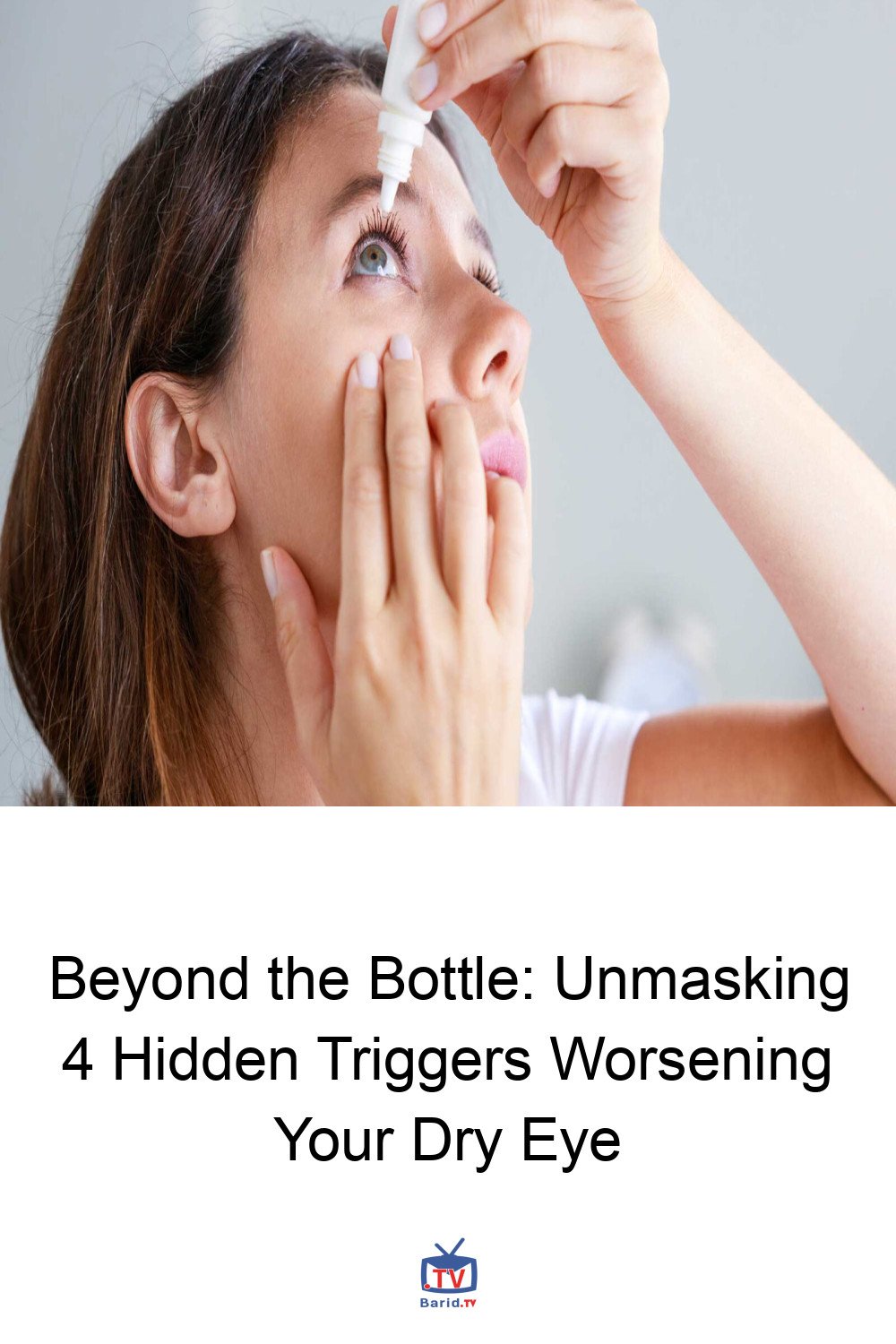
For millions worldwide, the persistent discomfort of dry eyes is a daily battle. You reach for over-the-counter (OTC) eye drops, hoping for relief, only to find the soothing sensation fleeting. Why aren’t those drops working their magic? The truth is, while OTC solutions offer temporary comfort, they often fail to address the underlying culprits exacerbating your dry eye symptoms.
As Dr. Danielle Orr, Assistant Clinical Professor at OSU College of Optometry, highlights, the cornea — the eye’s transparent outer layer — is incredibly sensitive due to its rich nerve supply. “Dry eye disease can cause changes to corneal nerves, making them highly sensitive to even ‘normal’ stimuli,” explains Dr. Orr. This heightened sensitivity means everyday factors can trigger significant discomfort.
It’s time to look beyond the bottle and uncover the hidden triggers that might be sabotaging your efforts. Understanding these overlooked factors is the first step toward finding lasting relief and knowing when it’s time to consult a specialist for more targeted treatments.
1. The Digital Strain: Screen Time’s Silent Toll
In our increasingly digital world, prolonged screen exposure is a notorious, yet often underestimated, contributor to dry eye. When immersed in digital content, our blink rate dramatically decreases – by as much as half, according to the American Academy of Ophthalmology. Blinking isn’t just a reflex; it’s crucial for distributing the tear film evenly across the eye’s surface, preventing evaporation and maintaining lubrication.
The Fix:
- Embrace the 20-20-20 Rule: Every 20 minutes, look at something 20 feet away for at least 20 seconds.
- Optimize Screen Position: Lower your screen so it’s slightly below eye level. This reduces how wide your eyelids need to open, minimizing tear evaporation.
- Digital Detox: Consider limiting screen time, especially in the hours leading up to bedtime, to reduce eye strain and promote natural tear production.
2. Environmental Assault: The Air Around Us
The environment, both indoors and out, plays a significant role in tear film stability. Dr. Shaleen Ragha, Assistant Professor at Southern College of Optometry, notes that “outdoor wind and lack of humidity, as well as indoor heaters and air conditioners, can accelerate evaporation of tear film that normally coats the eye.” This includes airflow from car vents, radiators, and even airplane cabins. While your eyes might try to compensate by producing excess tears, it’s often insufficient to combat the rapid evaporation.
The Fix:
- Moisture Chamber Goggles: For outdoor activities or particularly dry environments, consider non-prescription glasses with silicone barriers to shield your eyes from wind and maintain humidity.
- Humidifiers: Introduce humidifiers, even desktop versions, into your living and working spaces to increase ambient moisture.
- Travel Smart: When flying, Dr. Ksenia Goman, an ophthalmologist at Northwell’s Manhattan Eye, Ear and Throat Hospital, recommends using preservative-free artificial tears frequently, staying well-hydrated, and limiting alcohol and caffeine.
- Contact Lens Caution: Avoid wearing contact lenses on long flights. For severe dry eye during travel, opt for thicker gel drops or ointments before sleeping.
3. Pharmaceutical Puzzles: Medications and Tear Production
Many common medications, often taken for unrelated conditions, can inadvertently worsen dry eye symptoms. “Medications for anxiety, depression, allergies, diuretics for high blood pressure, and even some acne treatments can impact tear production,” states Dr. Orr. The mechanisms vary; anti-anxiety and antidepressant drugs might activate inflammatory pathways, while antihistamines can reduce tear gland activity. Diuretics, by reducing overall body fluid, can lead to decreased tear volume or altered tear composition, causing irritation and grittiness, as Dr. Goman explains.
The insidious nature of this trigger lies in its gradual onset, making the connection between medication and dry eye often overlooked by patients.
The Fix:
- Consult Your Eye Care Provider: If you suspect your medications are contributing to dry eye, discuss this with your eye care professional. While discontinuing vital medications solely for dry eye isn’t usually advised, your provider can assess the situation and develop a tailored treatment plan.
- Personalized Treatment: This plan might include prescription drops designed to target the root causes of medication-induced dry eye.
4. The Mind-Body Connection: Stress and Sleep Deprivation
The intricate link between our mental state, sleep patterns, and ocular health is profound. Chronic stress suppresses the parasympathetic nervous system, which is vital for tear production, and can fuel inflammation, thereby aggravating dry eye. Sleep, far from being mere rest, is a critical period for ocular maintenance.
As Dr. Ragha points out, “When sleeping, the eyes undergo maintenance processes, which include flushing any debris to the corner of your eyes.” Conversely, inadequate sleep can diminish tear production and heighten corneal sensitivity, intensifying dry eye symptoms. Compounding this, stress can disrupt sleep, creating a vicious cycle.
The Fix:
Fortunately, both stress and sleep can be improved through similar holistic practices:
- Regular Exercise: Physical activity is a powerful stress reducer and sleep aid.
- Mindfulness & Meditation: Practices like meditation and deep breathing can calm the nervous system.
- Aromatherapy: Certain essential oils can promote relaxation and better sleep.
- Consistent Sleep Schedule: Establishing a regular bedtime and wake-up time, even on weekends, can significantly improve sleep quality.
- Digital Wind-Down: Avoid screens before bed to prepare your eyes and mind for rest.
Seeking Lasting Relief
While OTC eye drops offer temporary comfort, true relief from dry eye often requires a deeper understanding of its triggers. By identifying and addressing factors like excessive screen time, environmental irritants, medication side effects, and the impact of stress and sleep, you can take significant steps towards healthier, more comfortable eyes. Always consult with an eye care professional to receive an accurate diagnosis and a personalized treatment plan that goes beyond symptomatic relief.
For more details, visit our website.
Source: Link