The Shifting Sands of Laptop Power
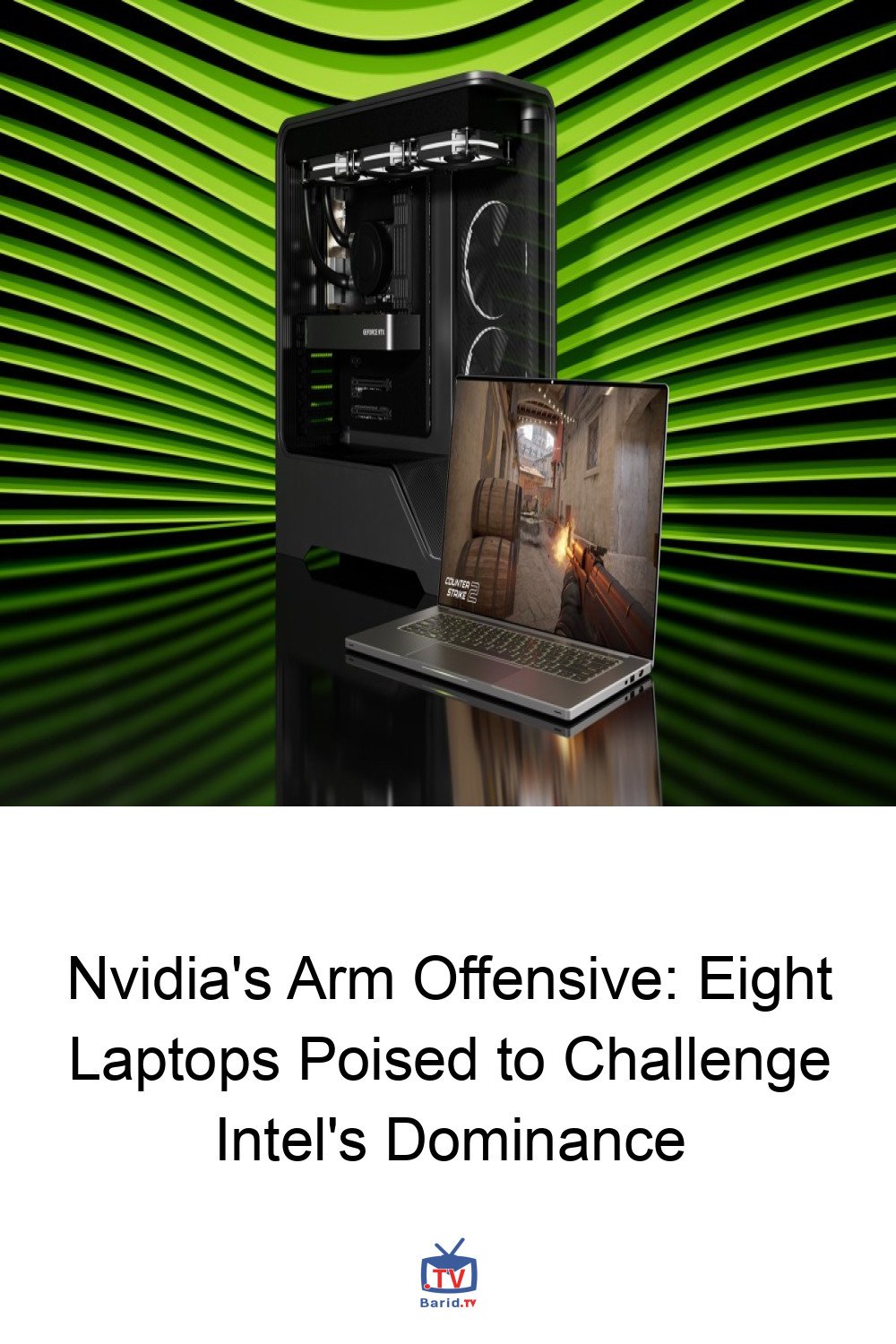
For years, the Windows laptop landscape has been a duopoly, firmly divided between Intel and AMD’s x86 architectures. However, a seismic shift is underway. Beyond the growing presence of Apple MacBooks and MediaTek-powered Chromebooks leveraging Arm chips, the market is now witnessing the rise of capable Qualcomm Snapdragon laptops running Windows. But the biggest tremor is yet to come: Nvidia is reportedly gearing up to power Windows consumer laptops with its own Arm-based chips, potentially as early as this spring.
This isn’t about Nvidia graphics paired with an Intel CPU. Instead, we’re talking about a complete Nvidia N1 system-on-chip (SoC) at the heart of these machines. And thanks to a recent leak, we now have a clearer picture of just how extensive Nvidia’s initial foray will be.
Lenovo’s Unveiling: A Glimpse into the Future
An overnight leak from Lenovo, one of the world’s largest laptop manufacturers, has revealed an impressive lineup of six laptops built around Nvidia’s upcoming N1 and N1X processors. Dataminer Huang514613 took to X (formerly Twitter) to post the product names, showcasing a diverse range of devices.
A 15-inch gaming machine, hinting at Nvidia’s performance aspirations.
- 14 and 16-inch models of the popular Ideapad Slim 5.
- Two variants of the 15-inch Yoga Pro 7.
- A versatile Yoga 9 transforming 2-in-1.
Further corroboration comes from Lenovo’s own digital footprint. An update page for the company’s Legion Space control software explicitly lists a “Legion 7 15N1X11” gaming laptop, with the “N1X” clearly denoting Nvidia’s gaming-focused SoC. Moreover, publicly indexed web portals from Lenovo reveal password-protected listings for “Nvidia N1x Portal Prod” and “Nvidia N1x Portal Test” websites, solidifying the evidence.
Dell and Alienware Join the Fray
Lenovo isn’t alone in this venture. Industry whispers suggest Dell is also preparing to launch an Alienware gaming laptop by early 2026, potentially featuring Nvidia’s N1X. There’s also speculation of a Dell Premium laptop (now known as XPS) with the same Nvidia N1X chip. This brings the potential total to at least eight different Nvidia-powered laptops on the horizon, signaling a broad industry commitment to this new platform.
Nvidia’s N1/N1X: A Glimpse at Potential Power
Recent reports from Digitimes indicate that Nvidia plans to launch its N1 and N1X laptop platforms this spring, with more devices becoming available over the summer. The company is already looking ahead, with N2 and N2X chips slated for late 2027.
While official specifications remain under wraps, a Geekbench leak (to be taken with a grain of salt, given past inaccuracies) offered a tantalizing peek. It suggested the N1X variant could boast an astonishing number of CUDA cores, potentially on par with a desktop RTX 5070 graphics card, alongside 20 CPU cores. This aligns with Nvidia CEO Jensen Huang’s hints that the N1 and the GB10 “Superchip” (found in the DGX Spark mini-PC) are two sides of the same coin, implying significant processing muscle.
A Long-Awaited Return to Consumer Arm
Nvidia’s journey into Arm-based PC chips has been a long time coming, but the company is no stranger to powering consumer devices with Arm. Its Tegra chips have been the brains behind every Nintendo Switch, and previously powered tablets like the original Microsoft Surface RT, as well as Nvidia’s own Shield handheld and Shield TV set-top boxes. While these earlier ventures often involved collaborations (like with MediaTek for the Switch), the N1/N1X marks Nvidia’s solo charge into the Windows laptop space.
With AMD also reportedly developing its own Arm chips for future Microsoft Surface devices, the battle for the next generation of Windows computing is heating up. Nvidia’s entry promises to inject fresh competition and innovation, potentially reshaping the ‘Intel Inside’ paradigm for good.
For more details, visit our website.
Source: Link