
Zelenskyy’s Dire Warning: Russia’s Alarming Daily Shahed Drone Production
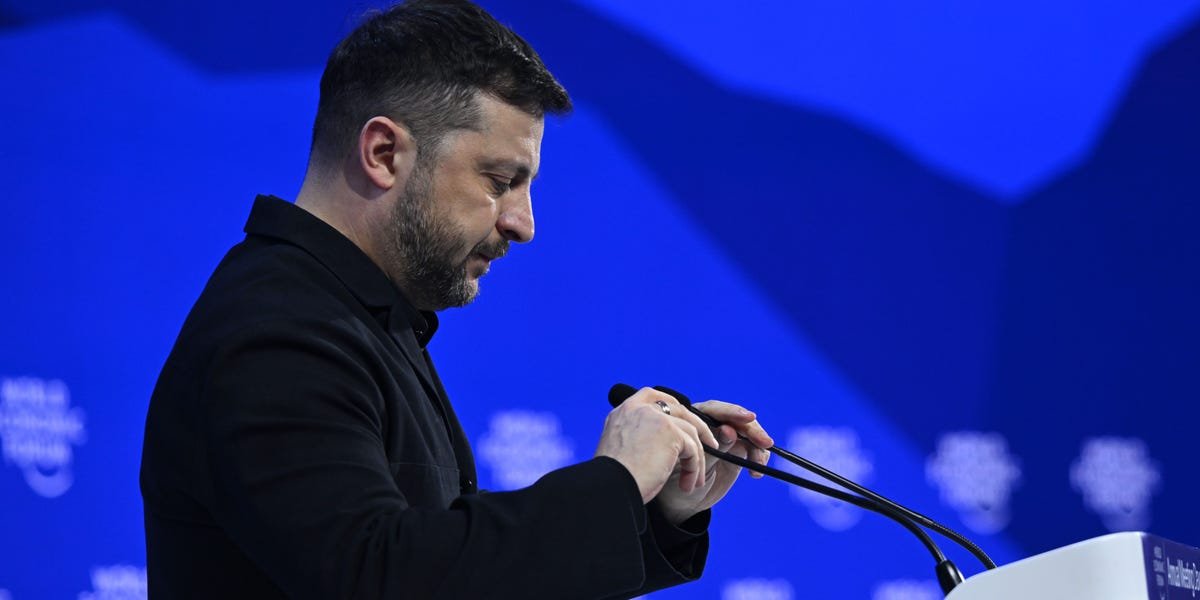
Ukrainian President Volodymyr Zelenskyy has issued a stark warning, claiming that Russia possesses the capability to manufacture an astonishing 500 Iranian-designed Shahed drones every single day. This revelation, if accurate, paints a grim picture of Russia’s escalating drone warfare capabilities and its potential to overwhelm Ukrainian air defenses.
The Scale of the Threat
The alleged daily production figure of 500 Shahed drones represents a significant escalation in Russia’s military industrial capacity, particularly concerning unmanned aerial vehicles (UAVs). These “kamikaze” drones, originally designed by Iran, have been a persistent menace to Ukrainian cities and infrastructure, often launched in swarms to bypass air defense systems.
Zelenskyy’s statement underscores the urgent need for enhanced international support for Ukraine’s air defense capabilities. A continuous supply of 500 drones daily would allow Russia to maintain immense pressure on Ukrainian targets, from energy grids to civilian areas, potentially exhausting interceptor missile stockpiles and personnel.
Iranian-Russian Collaboration: A Growing Concern
The claim further highlights the deepening military cooperation between Russia and Iran. While initially, Russia was believed to be importing fully assembled Shahed drones from Iran, reports have increasingly suggested a shift towards domestic production, possibly with Iranian assistance in setting up manufacturing facilities or supplying components. This localized production would significantly reduce logistical challenges and allow for a more consistent supply chain, less vulnerable to international sanctions or interdiction.
The Shahed-136, known for its delta-wing design and explosive payload, has proven to be a cost-effective weapon for Russia, despite its relatively slow speed. Its widespread use has forced Ukraine to expend expensive anti-air missiles against cheaper targets, creating an economic imbalance in the conflict.
Implications for the Battlefield and Beyond
If Russia can indeed sustain such a high rate of drone production, it would have profound implications for the ongoing conflict. It suggests a long-term strategy by Moscow to leverage asymmetric warfare tactics, relying on mass drone attacks to degrade Ukrainian infrastructure and morale, while conserving more expensive precision-guided missiles.
For Ukraine and its allies, this warning from President Zelenskyy serves as a critical call to action. Strengthening Ukraine’s layered air defense network, including short-range systems and electronic warfare capabilities, becomes even more paramount. Furthermore, efforts to disrupt the supply chains for components vital to drone manufacturing, both in Russia and Iran, will be crucial in mitigating this evolving threat.
The international community will undoubtedly scrutinize these claims, as the ability to produce such a volume of advanced weaponry domestically would mark a significant, and worrying, development in Russia’s war effort.
For more details, visit our website.
Source: Link