

Wall Street finds itself once again peering into the abyss, this time at the rapidly expanding and notoriously opaque world of private credit. What began as a niche solution post-2008 financial crisis has ballooned into a multi-trillion-dollar behemoth, now drawing stark warnings from financial titans like JPMorgan Chase CEO Jamie Dimon and billionaire investor Jeffrey Gundlach. The question on everyone’s mind: Is this burgeoning asset class a resilient pillar of the economy or a ticking time bomb?
The Meteoric Rise of Direct Lending
Private credit, often synonymous with direct lending, represents a significant shift in corporate finance. Following the 2008 financial meltdown, stringent regulations pushed traditional banks away from riskier borrowers, creating a vacuum eagerly filled by non-bank institutions. This segment has witnessed explosive growth, projected to surge from $3.4 trillion to an estimated $4.9 trillion by 2029. Proponents argue this growth has been a boon for American economic expansion, providing crucial capital to businesses that banks might overlook, offering attractive returns for investors, and enhancing the overall resilience of the financial system.
Marc Rowan, co-founder of Apollo, champions private credit as a vital economic engine. Large institutional investors, such as pension funds and insurance companies, with their long-term liabilities, are seen as ideal capital providers for multi-year corporate loans, contrasting with banks reliant on potentially ‘flighty’ short-term deposits.
Whispers of Warning: “Cockroaches” and “Garbage Loans”
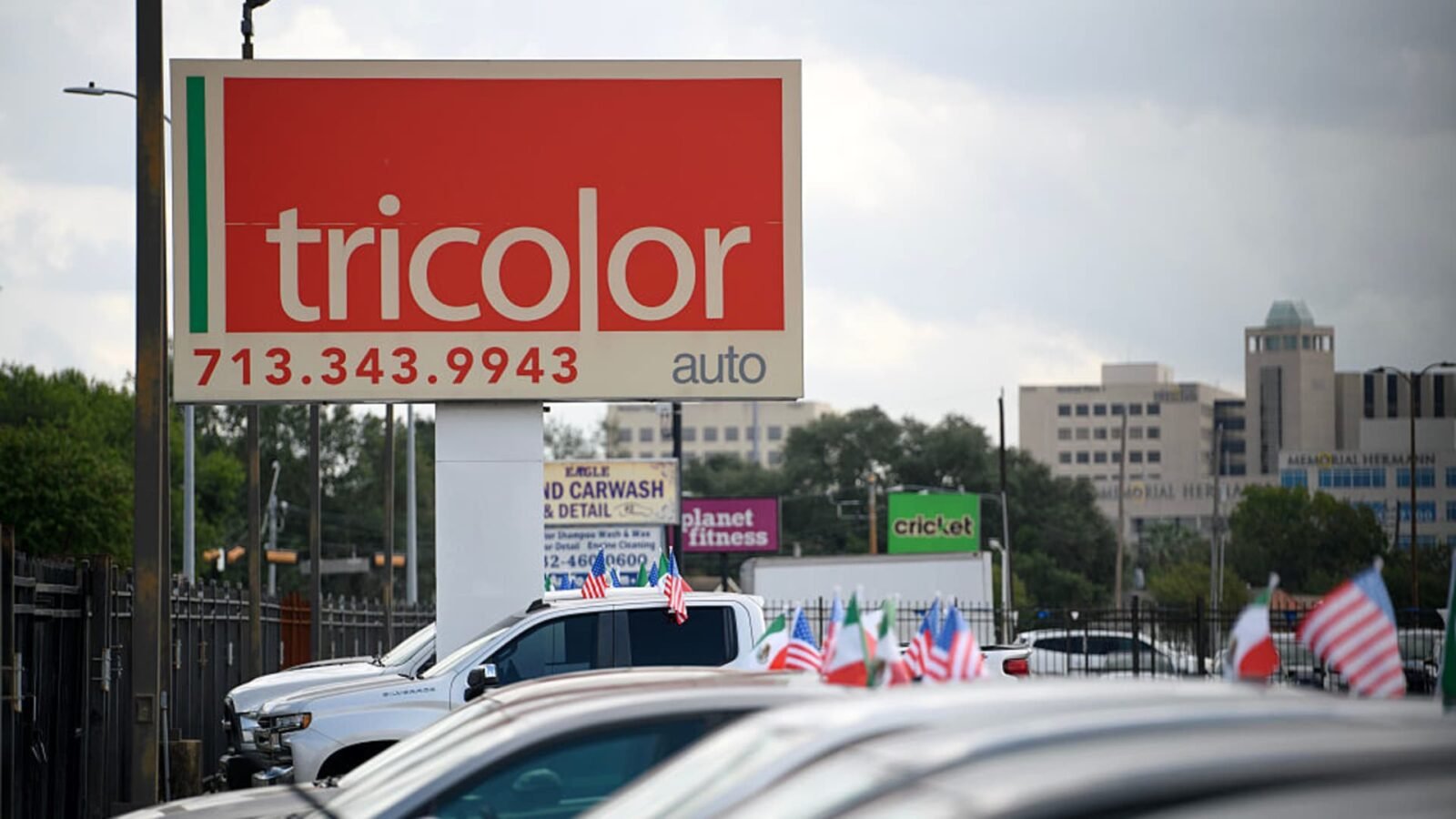
Despite the optimistic narrative, recent events have cast a long shadow. The sudden bankruptcies of auto-industry firms Tricolor and First Brands last fall, both heavily backed by private credit, triggered alarm bells across Wall Street. Jamie Dimon, ever the pragmatist, famously warned in October: “When you see one cockroach, there are probably more.” A month later, Jeffrey Gundlach, known for his blunt assessments, didn’t mince words, accusing private lenders of making “garbage loans” and ominously predicting that the next financial crisis could originate from this very sector.
While the immediate panic has somewhat subsided without a cascade of further high-profile bankruptcies, the underlying concerns persist. Companies deeply entrenched in the asset class, including Blue Owl Capital, Blackstone, and KKR, continue to trade below their recent peaks, reflecting lingering market apprehension.
The Opaque Heart of the Matter: Valuation and Risk
A Regulatory Blind Spot?
A central tenet of the anxiety surrounding private credit is its inherent opacity. Mark Zandi, chief economist at Moody’s Analytics, describes it as “lightly regulated, less transparent, opaque, and it’s growing really fast.” He cautions that while this doesn’t automatically signal a problem, it is a “necessary condition for one.”
Unlike public markets, where valuations are transparent and frequently updated, private credit loans are valued by the very asset managers who issue them. This creates a potential conflict of interest. Duke Law professor Elisabeth de Fontenay highlights this “double-edged sword”: while lenders have strong incentives to monitor for problems, they also possess incentives to “disguise risk” in the hope of future recovery. The lack of independent, verifiable valuations makes it incredibly difficult for external observers to gauge the true health of the market.
The collapse of home improvement firm Renovo in November serves as a stark example. BlackRock and other private lenders had valued its debt at 100 cents on the dollar just before marking it down to zero, underscoring the potential for sudden, unheralded losses.
Rising Defaults and Payment-in-Kind
The outlook for defaults in private loans is grim, with expectations of a rise this year, particularly among less creditworthy borrowers. Compounding this, a growing number of private credit borrowers are resorting to “payment-in-kind” (PIK) options, where interest is paid with additional debt rather than cash. While this can temporarily stave off default, it often signals underlying financial distress and can snowball into larger problems down the line.
The Unlikely Bedfellows: Banks and Private Credit
Ironically, a significant portion of the private credit boom has been fueled by the very banks it sought to circumvent. This symbiotic, yet competitive, relationship came into sharp focus when Jefferies, JPMorgan, and Fifth Third disclosed losses linked to the aforementioned auto industry bankruptcies. The extent of this interdependency is staggering: bank loans to non-depository financial institutions (NDFIs) hit $1.14 trillion last year, according to the Federal Reserve Bank of St. Louis. JPMorgan’s recent disclosure of its lending to nonbank financial firms in its fourth-quarter earnings report offers a glimpse into this intricate web.
As Wall Street grapples with the implications of this rapidly evolving landscape, the private credit market remains a critical area of focus. Its continued growth, coupled with its inherent opaqueness and the rising signs of stress, demands vigilant oversight and a deeper understanding to prevent potential systemic risks from materializing.
For more details, visit our website.
Source: Link