
The cultural landscape is often a battleground of ideas, and in recent times, few concepts have ignited as much debate as “woke” art – a shorthand often used by critics to dismiss diverse, inclusive, and socially conscious storytelling. Yet, as this year’s Oscar nominations unveiled a slate of groundbreaking films, a different narrative emerged: audiences are not just tolerating, but actively embracing, boundary-pushing content.
The Unmistakable Roar of Diverse Narratives
The recent Oscar nominations, particularly the historic 16 nods for the film Sinners, sparked a playful, yet telling, observation: “Woke is back.” This quip, while lighthearted, underscores a profound truth. In a period marked by intense political rhetoric against Diversity, Equity, and Inclusion (DEI) initiatives, a wave of culturally significant works—including Sinners, KPop Demon Hunters,
Heated Rivalry
, and One Battle After Another—didn’t just resonate with niche audiences; they became bona fide cultural phenomena.
Pioneering Projects Defy the Narrative
These aren’t just diverse stories; they are masterfully crafted narratives that challenge conventions and captivate viewers:
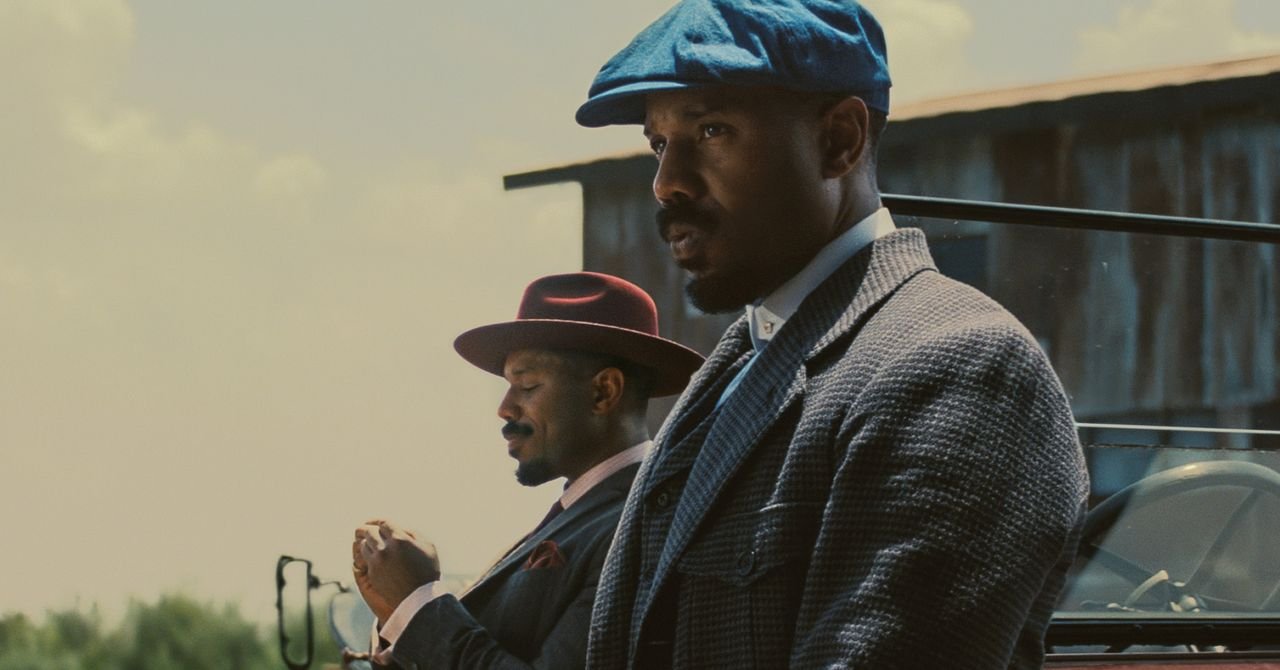
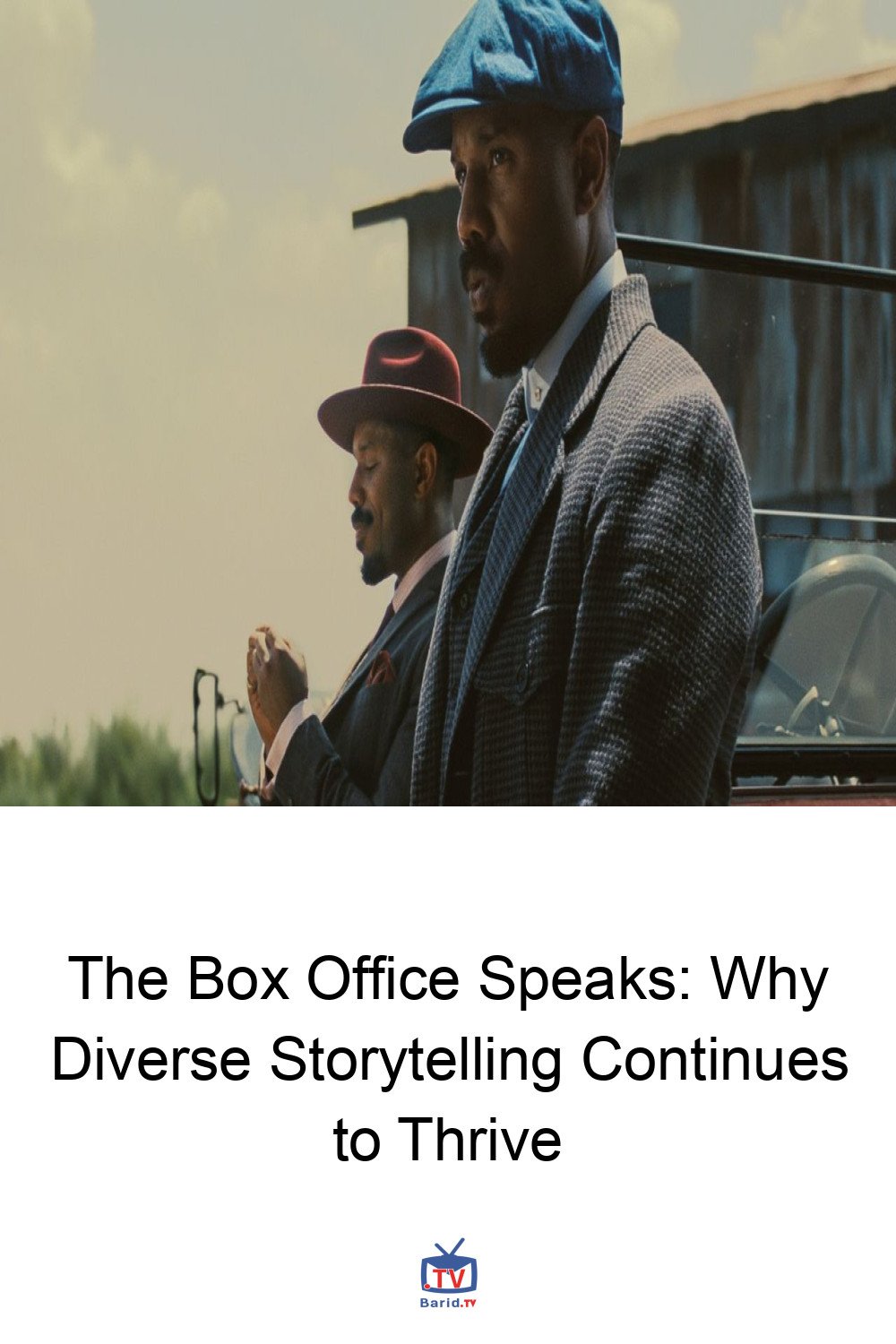
- Sinners: This horror epic, set against the backdrop of the Jim Crow South, ingeniously employs vampires as a metaphor for systemic racism and cultural appropriation. Director Ryan Coogler’s visionary deal with Warner Bros., securing him the rights to the film in 25 years, speaks volumes about its long-term significance.
- KPop Demon Hunters: A testament to perseverance, this film by a Korean-Canadian female director, who waited over a decade for her opportunity, brought the already massive K-pop subculture further into the mainstream with an unwavering commitment to authenticity.
- Heated Rivalry
: A Canadian television gem picked up by HBO, this series offered a refreshingly subversive take on professional hockey, delving into the poignant and passionate love story between two closeted players.
- One Battle After Another: Despite drawing ire from conservative commentators for its perceived lionization of “left-wing violence,” this powerful work explored complex themes of motherhood and activism, while satirizing figures reminiscent of ICE agents and their desperate attempts to conform to racist ideologies.
These projects weren’t merely critical darlings; they were commercial successes, proving that stories reflecting a wider spectrum of human experience hold immense appeal.
Navigating a Shifting Political and Corporate Landscape
The success of these diverse narratives unfolded against a challenging backdrop. The White House, through multiple executive orders, actively dismantled DEI programs within the federal government. Corporate media giants like Warner Bros. Discovery, Amazon, Paramount Global, and Disney reportedly scaled back their own diversity efforts. The acquisition of Paramount by Skydance, founded by David Ellison (son of a prominent Trump supporter), further signaled a potential shift, evidenced by the brief removal of Jimmy Kimmel and a perceived conservative tilt at CBS News. Simultaneously, projects catering to a more traditional, “red meat” demographic—featuring farmers, MAGA adherents, cowboys, and Christian values—were fast-tracked and heavily promoted.
Yet, even amidst this pushback, the demand for diverse content persisted. Jenni Werner, executive artistic director of the New Harmony Project, a developer of anti-oppressive and anti-racist theater, film, and TV, articulates this audience hunger: “There is a feeling from… this administration that the only stories that matter are stories of straight white men, and that is just simply not the case.” She emphasizes, “Audiences want to feel transformed. You want to be able to sit down and watch something… that takes you into a new place and maybe gives you a new understanding of something.” Werner remains confident that artists will continue to create “boundary-pushing work,” regardless of the obstacles.
The Undeniable Business Case for Inclusivity
The struggle to greenlight unconventional stories in Hollywood is not new, predating even recent political shifts. UCLA’s December Hollywood Diversity Report for 2024 starkly revealed that nearly 80 percent of theatrical movie directors and approximately 75 percent of leading actors were white.
However, this lack of diversity isn’t just an ethical concern; it’s a missed financial opportunity. The report highlighted that BIPOC moviegoers “were overrepresented as ticket buyers for films that had casts of more than 20 percent BIPOC.” Sinners stands as a powerful example, grossing an astounding $368 million at the box office, a figure that earned it a place in the “horror hall of fame,” according to The New York Times.
Beyond ticket sales, diversity fuels engagement. Sociologist Michael Tran, co-author of the UCLA report, noted, “If a show features some kind of underrepresented story, such as a women-centered story, the median total interactions for these shows were talked about on social media more than five times than shows without.” In an age driven by digital buzz, this social media amplification is invaluable.
When Money Talks: The Ultimate Verdict
With media conglomeration increasingly shaping the industry into a more homogenous entity, often perceived as aligning with a particular political leaning, the message from audiences might seem difficult to penetrate. (Indeed, Paramount Skydance is reportedly vying to acquire Warner Bros., further consolidating power.)
However, the ultimate arbiter remains the box office. This sentiment was powerfully articulated by Wicked director Jon Chu, who, despite signing a major deal with Paramount Skydance, has consistently championed diversity in his career, notably casting Cynthia Erivo, a Black woman, as Elpheba. When asked about concerns regarding DEI crackdowns, Chu’s response was unequivocal: money talks.
“The thing about the box office, which I love about movie theaters, is that reviewers can say whatever they want, people in a conference room can say whatever they want, business affairs can say whatever the fuck they want,” Chu stated. “But when you put it in a movie theater, if it makes money, if it creates a cultural phenomenon, it becomes a fact, then there’s nothing you can say.”
The resounding success of diverse, inclusive storytelling in recent years is more than a trend; it’s a testament to audience demand and the undeniable power of authentic narratives. Despite political headwinds and corporate recalibrations, the financial and cultural impact of “woke” art continues to prove its enduring value, demonstrating that inclusivity isn’t just good for society—it’s good for business.
For more details, visit our website.
Source: Link