
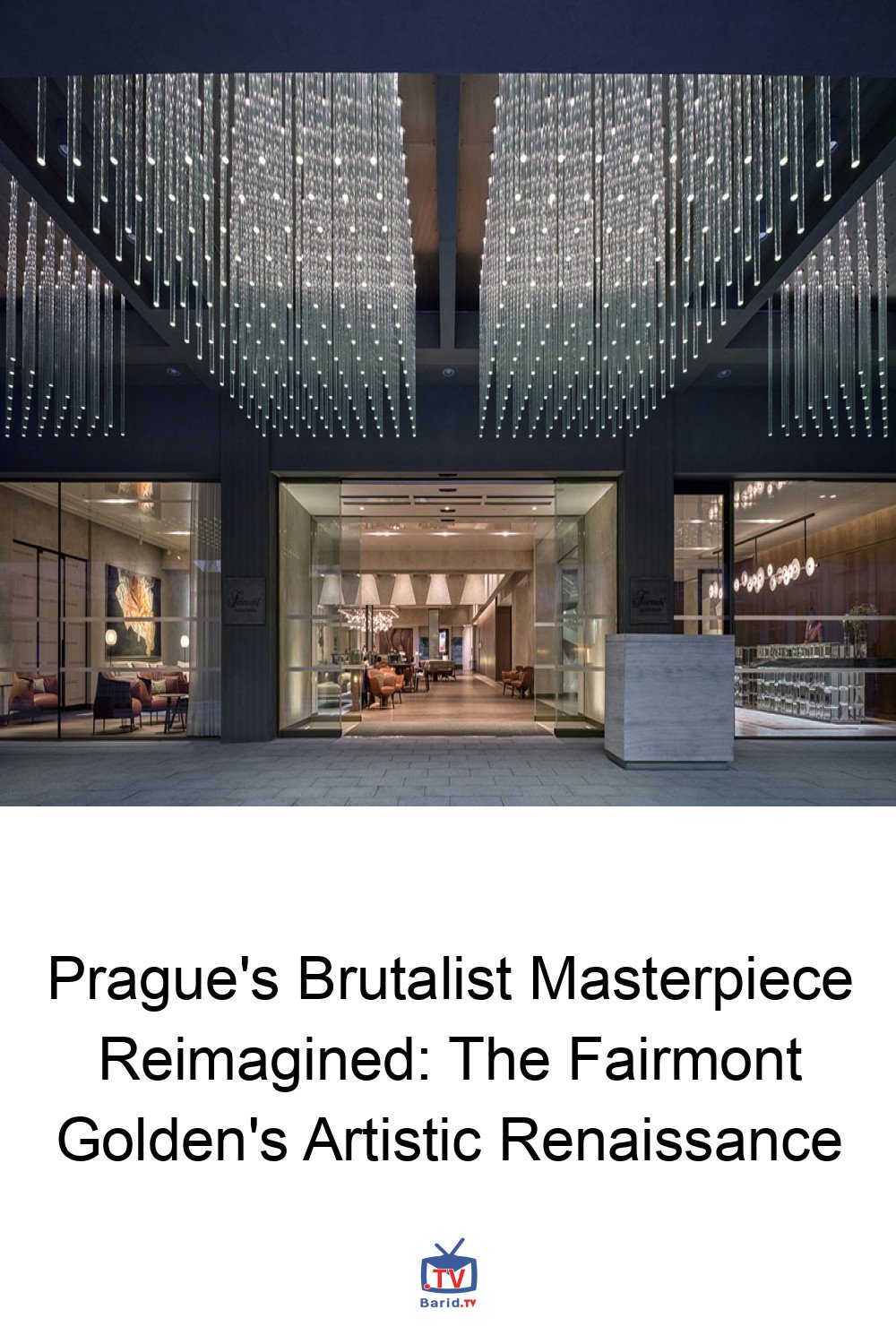
In an era increasingly defined by sustainability and the ingenious repurposing of existing structures, the architectural world is witnessing a profound shift. The spotlight is no longer solely on ornate historical buildings but extends to styles once deemed challenging, even controversial. Brutalism, with its bold, unyielding concrete forms, is finally receiving the recognition it deserves – not as an eyesore, but as an inventive, expressive, and often optimistic interpretation of modernism.
A Phoenix Rises: Prague’s Brutalist Icon Reborn
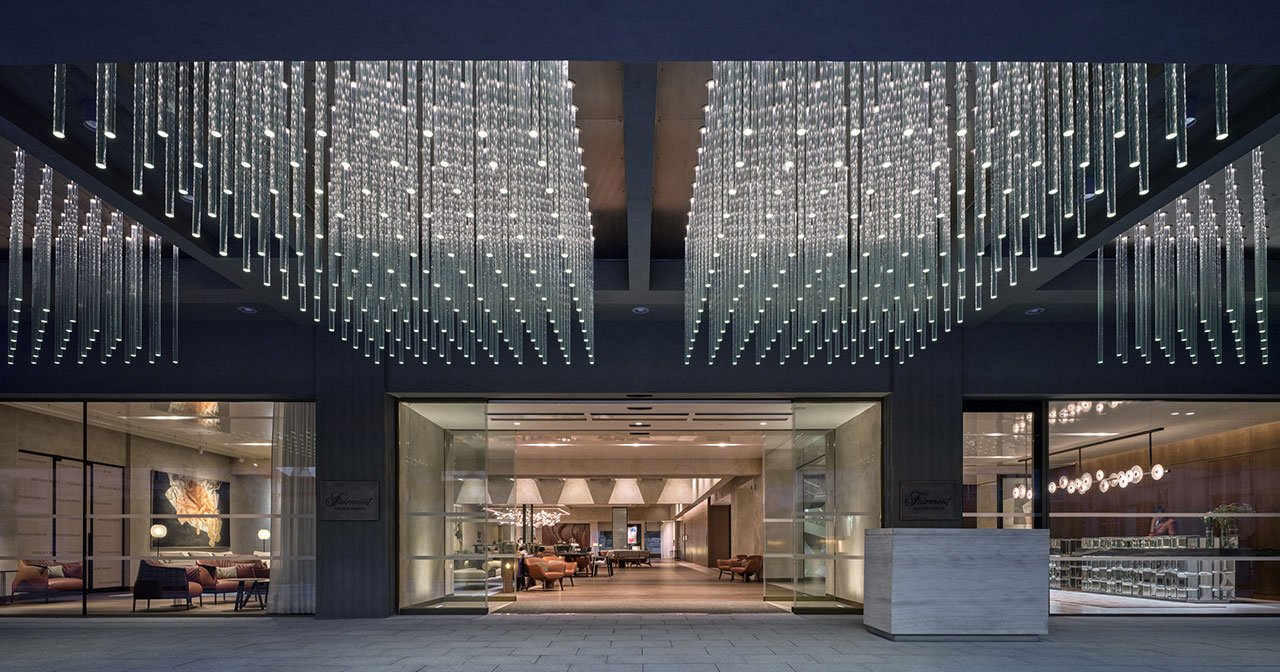
Nestled in the heart of Prague, a city often celebrated for its Romanesque charm, stands a testament to this evolving appreciation: the Fairmont Golden Prague. Once known as the Inter-Continental Praha, this architectural marvel, originally conceived by the visionary Karel Filsak in 1974, has undergone a masterful reimagination. Far from erasing its past, the ambitious project has transformed what some might have seen as an anachronistic structure into a vibrant, holistic destination, deeply respectful of its Brutalist heritage.
Filsak’s original design was groundbreaking. Rising nine stories with a distinctive monolithic yet textured facade and an overhung top level, it was an early American investment within the Soviet-controlled Eastern Bloc. Crucially, it was also a canvas for Czechia’s rich artistic and design prowess, integrating numerous elements that celebrated the nation’s creative spirit.
From Disrepair to Dazzling Revival
As the political landscape shifted and the country navigated seismic changes, the hotel, like many structures of its era, eventually fell into disrepair. A 2002 renovation attempted a revival, but it was the more recent, comprehensive revamp, set to be fully unveiled in 2025, that truly embraced Filsak’s gesamtkunstwerk
(total work of art) approach. This wasn’t merely a refurbishment; it was a sensitive recounting of Prague’s complex history, transforming the hotel into a dynamic social and cultural hub.
The revitalization was spearheaded by entrepreneurs Pavel Baudiš, Eduard Kučera, and Oldřich Šlemr, all with deep personal connections to the site. Their vision centered on ingeniously reinterpreting and repurposing the building’s critical original features. Local firm TaK Architects, led by principal Marek Tichý, was tasked with seamlessly blending these vestige elements with a suite of contemporary amenities, including an outdoor pool, a new restaurant wing, and an expanded conference extension.
Reconnecting with the City and Celebrating Artistry
A key aspect of Tichý’s intervention was to re-establish the hotel’s connection with its urban surroundings. A transparent annex, softened by lush greenery, now gracefully extends towards the Dvořák Embankment and the picturesque Vltava river promenade. This new addition also houses a public access art gallery, dissolving the perception of the hotel as an impenetrable fortress and inviting the city in.
The structural integrity of the original glass, concrete, and wood elements required new supports, yet the spirit of Filsak’s design was meticulously preserved. Sculptor Zbyněk Sekal’s original ceramic facade was painstakingly reconstituted, piece by piece. Inside, Jan Šrámek’s iconic modular, coffered, pill-shaped conference hall ceiling underwent a similar restoration. Each recess was carefully brought back to life and adorned with exquisite René Roubíček glass chandeliers, a brilliant nod to Czechia’s enduring mastery in glass artistry.
The celebration of Czech creative heritage continues throughout the property. The Zlatá restaurant now gleams with Hugo Demartini gilded fixtures and elegant glass screens from the renowned Sallinger glassworks. Elsewhere, Čestmír Kafka’s intricate wooden ceiling reliefs and fragments from Miloslav Hejný’s evocative “Enchanted Forest” columnar piece have been thoughtfully reintroduced. Some architectural details, no longer structurally integral, are presented as freestanding artworks, transforming the building into a living palimpsest – layers of history and art revealed anew.
Tichý further enriched this dialogue between past and present by integrating works and treatments from approximately 20 contemporary artists and artisans. These new additions perfectly complement the Fairmont Golden Prague’s distinct “crafted industrial” ethos, creating a harmonious blend of heritage and innovation.
A Sanctuary of Style and Comfort
The guest experience is equally refined. The 320 standard rooms, along with a selection of suites and long-stay residences, have been meticulously re-outfitted by hospitality design firm Richmond International. These spaces, much like the rest of the property, strike a beautiful balance between form, texture, and light, offering a sanctuary of modern comfort within a historically rich setting.
The Fairmont Golden Prague is more than just a hotel; it is a profound architectural and artistic statement. It stands as an ever-unfolding celebration of Czech ingenuity and creativity, a destination where history, art, and hospitality converge in a truly unique and engaging manner.
For more details, visit our website.
Source: Link