

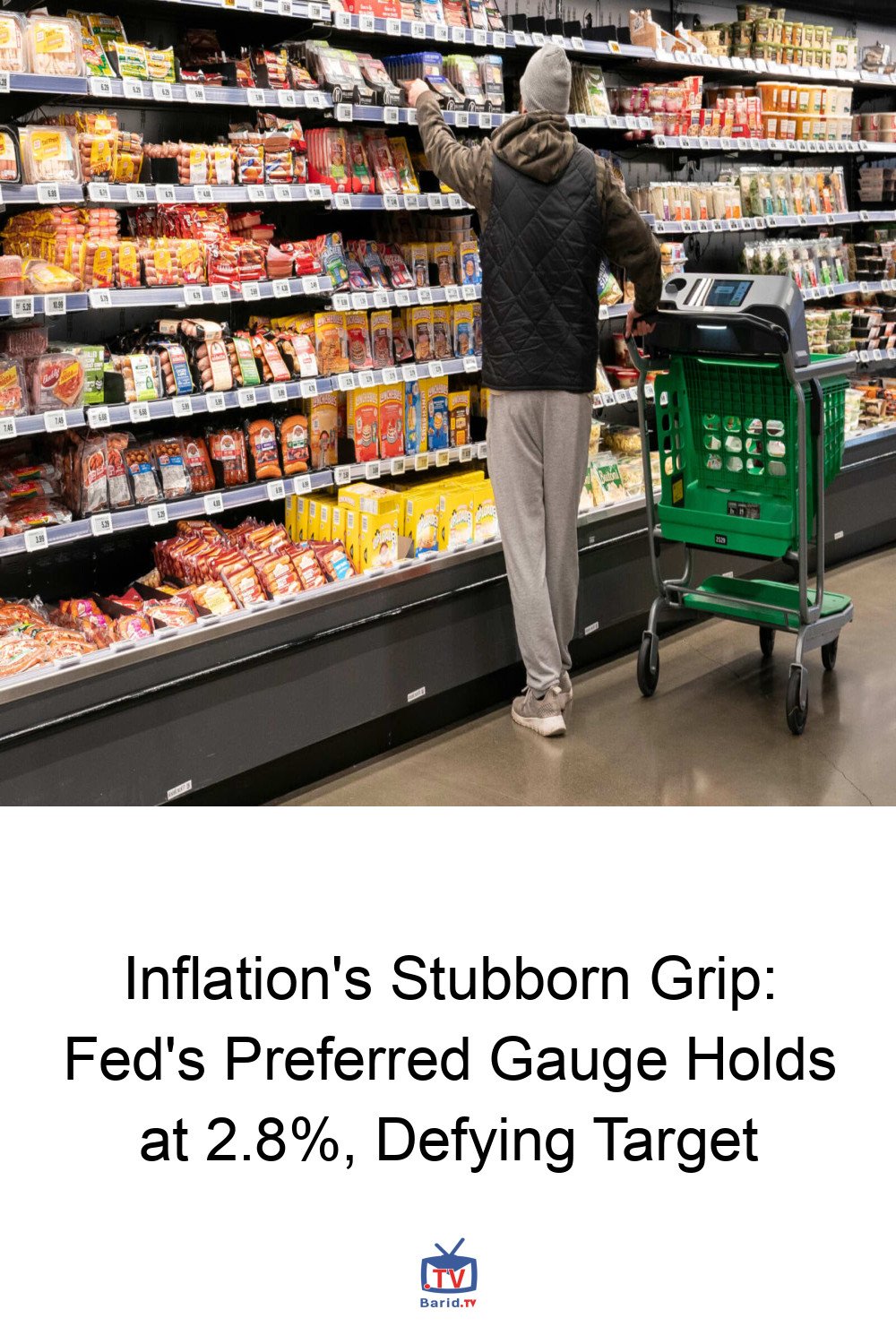
Despite persistent efforts by the Federal Reserve to tame rising prices, the central bank’s preferred inflation gauge, the Personal Consumption Expenditures (PCE) price index, registered a stubborn 2.8% in November. This figure, while aligning with market expectations, continues to hover notably above the Fed’s long-term 2% target, presenting a complex challenge for policymakers.
Inflation’s Persistent Plateau
Released by the Commerce Department, the PCE price index serves as the Federal Reserve’s primary tool for forecasting inflation. For November, both the headline and core PCE — which strips out volatile food and energy prices — stood at 2.8%. This marks a slight increase from October’s 2.7% (headline and core), with monthly figures showing a consistent 0.2% rise across both months. The Bureau of Economic Analysis (BEA) released the October and November data concurrently, a consequence of earlier government shutdowns impacting data collection.
Decoding the Numbers: Goods, Services, and Energy
A closer look at the November price data reveals a 0.2% increase in both goods and services. Food prices remained flat, offering a small reprieve, but energy-related costs saw a significant 1.9% jump, reversing a 0.7% decline in October. These granular movements underscore the multifaceted nature of current inflationary pressures.
Consumer Resilience Fuels the Economy
Amidst these inflation figures, the report also painted a picture of a resilient American consumer. Personal income saw modest gains, rising 0.1% in October and 0.3% in November, though the latter fell slightly short of forecasts. More significantly, personal consumption expenditures, a key indicator of consumer spending, increased by a robust 0.5% in both months, meeting November’s projections. The personal savings rate, however, dipped slightly to 3.5% in November, down 0.2 percentage points from the previous month.
A Broader Economic Snapshot
The inflation report arrived alongside other crucial economic indicators, reinforcing the narrative of an expanding economy. The BEA’s final estimate for the third quarter revealed a strong 4.4% rise in gross domestic product (GDP). Concurrently, the Labor Department reported that jobless claims are trending near their lowest levels in two years. This confluence of data suggests an economy that continues to grow, with consumer spending outpacing inflation despite some softening in the labor market.
James McCann, senior economist for investment strategy at Edward Jones, commented on the situation: “The consumer continues to drive the U.S economy, with today’s data pointing to another strong gain in spending. This resilience comes in spite of last year’s slowdown in the labor market, and still elevated inflation, both of which have weighed on real incomes. Today’s data should reassure the Fed that the economy remains on a solid footing, despite a cooler labor market.”
The Fed’s Path Forward: Holding Steady?
With inflation stubbornly above target and the economy showing robust growth, market participants are keenly watching the Federal Reserve. Expectations are high that the Fed will maintain its current stance at its upcoming policy meeting, following three consecutive interest rate cuts in 2025. Futures traders are now anticipating at most two rate reductions this year, as policymakers carefully weigh the effects of previous easing measures against ongoing inflationary pressures and an unpredictable geopolitical landscape. The path to the 2% target appears to be a protracted one, demanding continued vigilance from the central bank.
For more details, visit our website.
Source: Link