
Digital Deception: White House Under Fire for AI-Altered Protest Image
In a move that has ignited a fresh wave of controversy and scrutiny over the use of artificial intelligence in political messaging, the White House’s official X (formerly Twitter) account recently shared a digitally manipulated image of an arrested anti-ICE protester, Nekima Levy Armstrong, depicting her with fabricated tears. The post, which quickly drew a public fact-check, highlights the escalating battle against misinformation in the digital age and the Trump administration’s distinctive approach to social media engagement.
The Incident: Fabricated Tears and Swift Fact-Checks
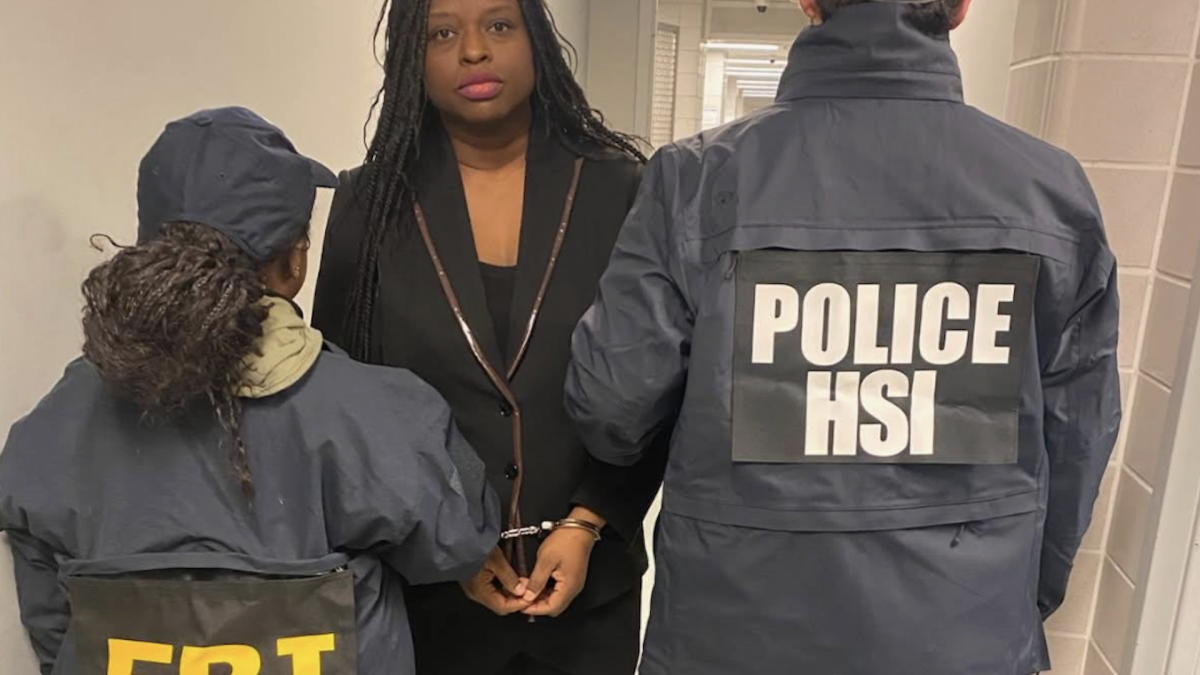
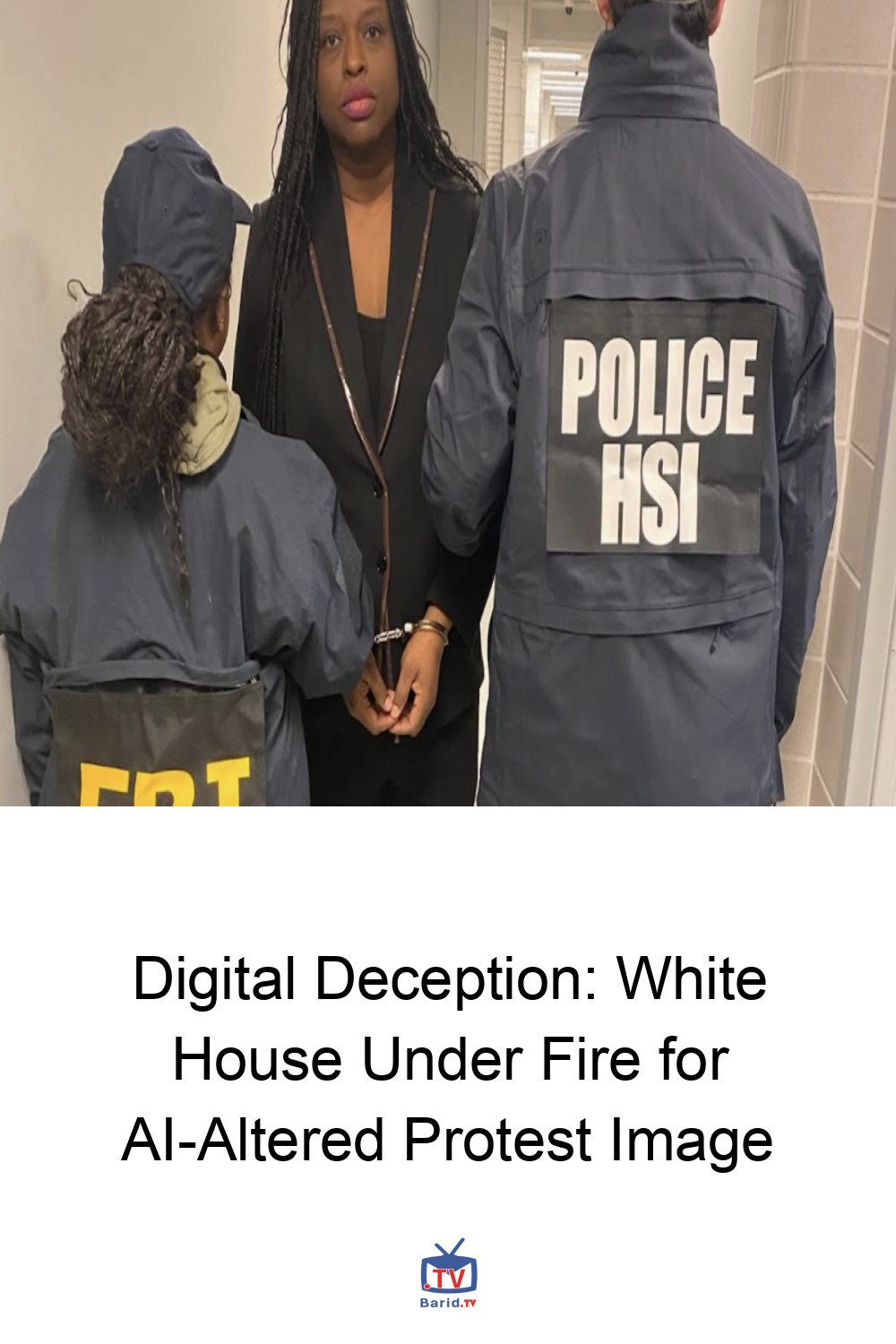
The controversy erupted following the arrests of several organizers involved in a recent anti-ICE protest at a Minnesota church, as announced by Attorney General Pam Bondi. Shortly thereafter, the White House X account posted an image of attorney and activist Nekima Levy Armstrong being escorted by law enforcement, conspicuously featuring tears streaming down her face. The accompanying all-caps caption declared: “ARRESTED. FAR-LEFT AGITATOR NEKIMA LEVY ARMSTRONG FOR ORCHESTRATING CHURCH RIOTS IN MINNESOTA.”
However, the post’s veracity was almost immediately challenged by X’s Community Notes feature, which appended a crucial clarification: “Digitally altered image. See original arrest photo here.” The note linked to a New York Post article displaying the authentic photograph, in which Armstrong is clearly not crying. Further corroboration came from the X account of FBI Director Kash Patel, which released multiple images of Armstrong and other arrested activists, none of whom appeared to be distressed in the manner depicted by the White House’s doctored image.
When Crooked Media journalist Matt Berg inquired with White House officials about the altered images, the reported response was stark: “the memes will continue.” This statement underscores a deliberate strategy rather than an isolated incident.
A Pattern of Digital Weaponization
This is not an anomaly but rather a consistent pattern within the Trump administration’s social media strategy. As previously documented by Mashable, the administration has frequently leveraged platforms like X to dehumanize and disparage perceived adversaries, often employing 4chan-style memes and artificial intelligence to achieve its objectives. This “memeification” of serious news events transforms political discourse into a form of reality television, with the former President often positioned as the central figure.
Legal Context and First Amendment Debates
The arrests themselves stem from the anti-ICE protest at Cities Church in St. Paul, which garnered significant viral attention and divided public opinion. Attorney General Pam Bondi confirmed that protesters face charges of “conspiracy against rights,” a federal offense designed to prevent individuals from exercising their constitutional rights. Right-wing commentators have also invoked the FACE Act (Freedom of Access to Clinic Entrances Act) in their arguments against the protesters.
Ironically, the FACE Act, signed into law by President Bill Clinton, was originally intended to protect access to abortion clinics by preventing blockades. However, its provisions also extend to safeguarding access to houses of worship. While the First Amendment unequivocally grants Americans the right to peaceful protest, this right does not extend to unauthorized entry into a church or the disruption of religious services, which can infringe upon others’ First Amendment rights to freedom of religion.
The Shifting Landscape of News Consumption
As an increasing number of Americans turn to social media for their news, the ability of political actors to shape narratives through digital manipulation becomes ever more potent. The incident involving Nekima Levy Armstrong serves as a potent reminder of the blurred lines between fact and fiction in the online sphere, and the critical importance of media literacy and robust fact-checking mechanisms in safeguarding democratic discourse.
For more details, visit our website.
Source: Link