
The Conventional Wisdom Challenged: Diet Soda’s Surprising Role in Diabetes Management
For years, diet sodas have been a contentious topic in health discussions, often painted with a broad brush of suspicion. While studies occasionally surface hinting at their potential downsides – often with less-than-robust evidence – a recent, meticulously designed trial presents a surprising counter-narrative, particularly for individuals managing type 2 diabetes. This groundbreaking research suggests that for a specific demographic, diet soda might actually offer more benefits than plain water.
According to Gideon Meyerowitz-Katz, an epidemiologist from the University of Wollongong not involved in the study, this research is “far more robust than most of the science that gets media coverage,” yet it has largely flown under the radar of mainstream news. Crucially, this study was independently funded, free from commercial beverage industry influence.
Unpacking the SODAS Trial: A Rigorous Approach
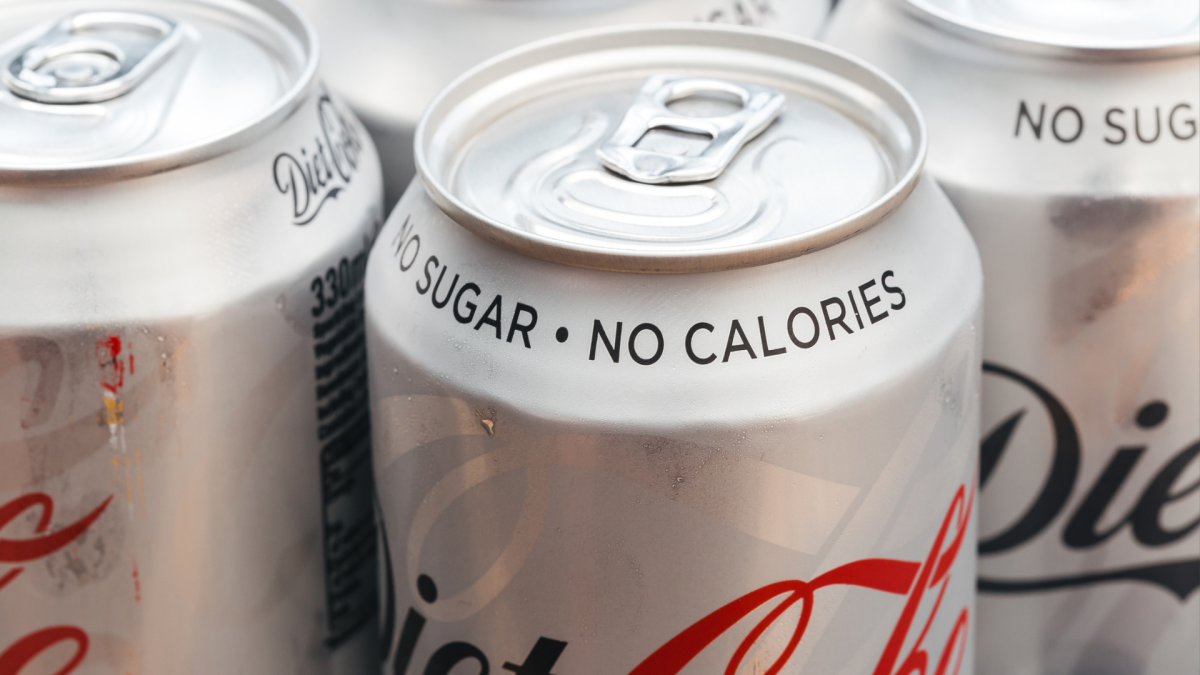
The aptly named SODAS (Study Of Drinks with Artificial Sweeteners) trial, conducted by researchers at the University of California, Irvine, and the University of Minnesota, Minneapolis, set out to explore the real-world impact of beverage choices. They recruited adults with type 2 diabetes who were already regular consumers of artificially sweetened beverages, including popular choices like Diet Coke.
Funded by the U.S. National Institutes of Health’s National Institute of Diabetes and Digestive and Kidney Diseases, the study was designed with a high degree of scientific integrity. Participants were divided into two groups: one continued their preferred diet drink, while the other was asked to switch to water. Both groups received three servings daily of their assigned beverage for 24 weeks. With 181 individuals enrolled and 179 completing the study, it represents a substantial and statistically significant cohort for this type of nutritional research.
Key Findings: A Closer Look at the Numbers
The primary outcome measured was hemoglobin A1C (HbA1C), a standard blood test reflecting average blood glucose levels over the preceding three months. The results were compelling:
- Diet Drink Group: HbA1C levels slightly improved, moving from 7.19% to 7.14%.
- Water Group: HbA1C levels worsened, increasing from 7.20% to 7.44%.
This suggests that for this specific population, replacing diet drinks with water did not confer a health advantage; if anything, it appeared to have a slightly detrimental effect on blood glucose control.
Beyond Blood Sugar: Other Noteworthy Observations
The researchers also collected additional metrics, reinforcing the primary findings:
- Fasting glucose and fasting insulin levels both favored the diet drinks group.
- “Time in range,” as measured by continuous glucose monitors, also showed an advantage for those consuming artificially sweetened beverages.
- Participants in the diet drinks group experienced a modest average weight loss of two pounds, while the water group maintained stable weights. While this weight difference was statistically significant, the researchers noted it was not clinically significant, meaning the real-world impact on health might be minimal.
The bottom line from the SODAS trial is clear: for individuals with type 2 diabetes who already consume diet sodas, there was no discernible benefit in switching to water. In fact, the data hints at a slight disadvantage.
What This Means for Your Daily Choices
For many, including this journalist, the findings offer a degree of validation. While sugar-sweetened sodas are unequivocally detrimental to health and should be avoided, the long-standing debate around artificially sweetened beverages often lacks robust, independent evidence to condemn them. This new study provides a significant piece of the puzzle, suggesting that for certain populations, these drinks may not be the health villain they are often portrayed to be.
It’s worth noting that a previous, smaller study involving 81 women with diabetes in a weight-loss trial had suggested a slight improvement with water over diet drinks. However, experts highlight that comparing these studies isn’t an ‘apples-to-apples’ scenario, given their differing methodologies and primary objectives.
Nuance Over Generalization
It is crucial to interpret these findings with nuance. This study specifically focused on adults with type 2 diabetes who were already consuming artificially sweetened beverages. It does not provide insights into the effects of diet sodas on individuals with poorly controlled diabetes, or those without diabetes altogether. Furthermore, it primarily examined blood sugar-related metrics, not other potential health impacts.
While this research doesn’t declare Diet Coke a ‘health food,’ it strongly challenges the blanket assumption that water is always the superior choice for everyone, especially for those managing type 2 diabetes and already accustomed to diet drinks. It underscores the complexity of nutritional science and the importance of well-designed, independent studies in shaping our understanding of diet and health.
For more details, visit our website.
Source: Link