
Ubisoft, a titan in the video game industry, has sent shockwaves through the gaming community with the abrupt cancellation of the highly anticipated
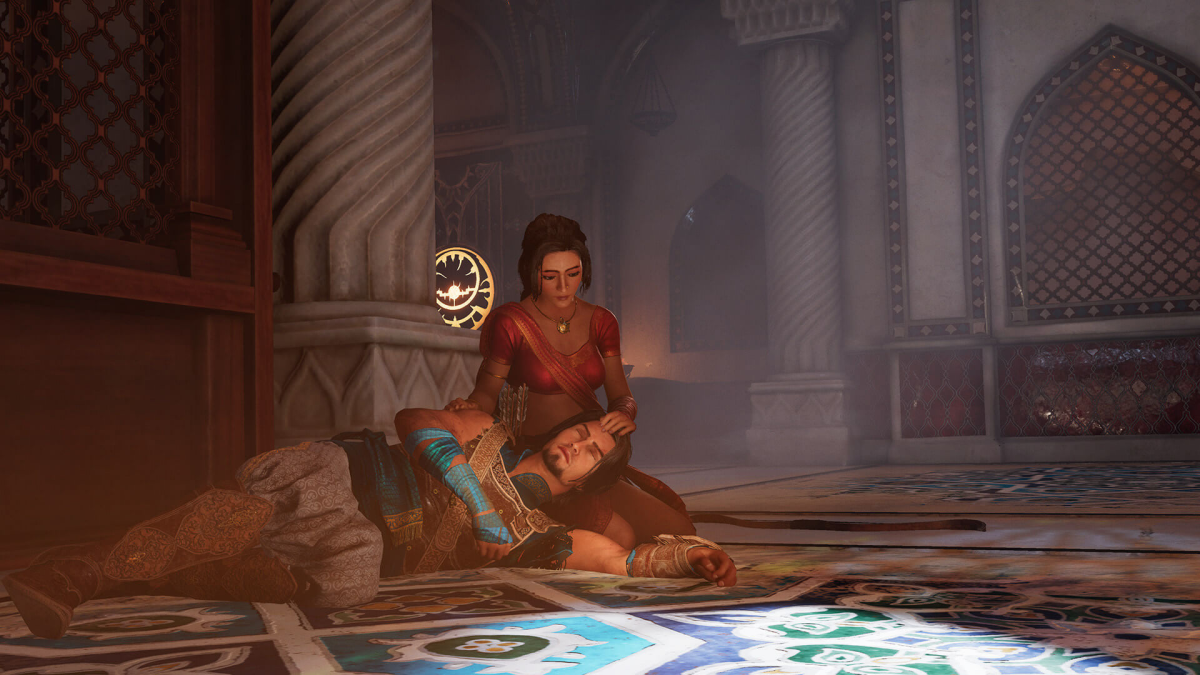
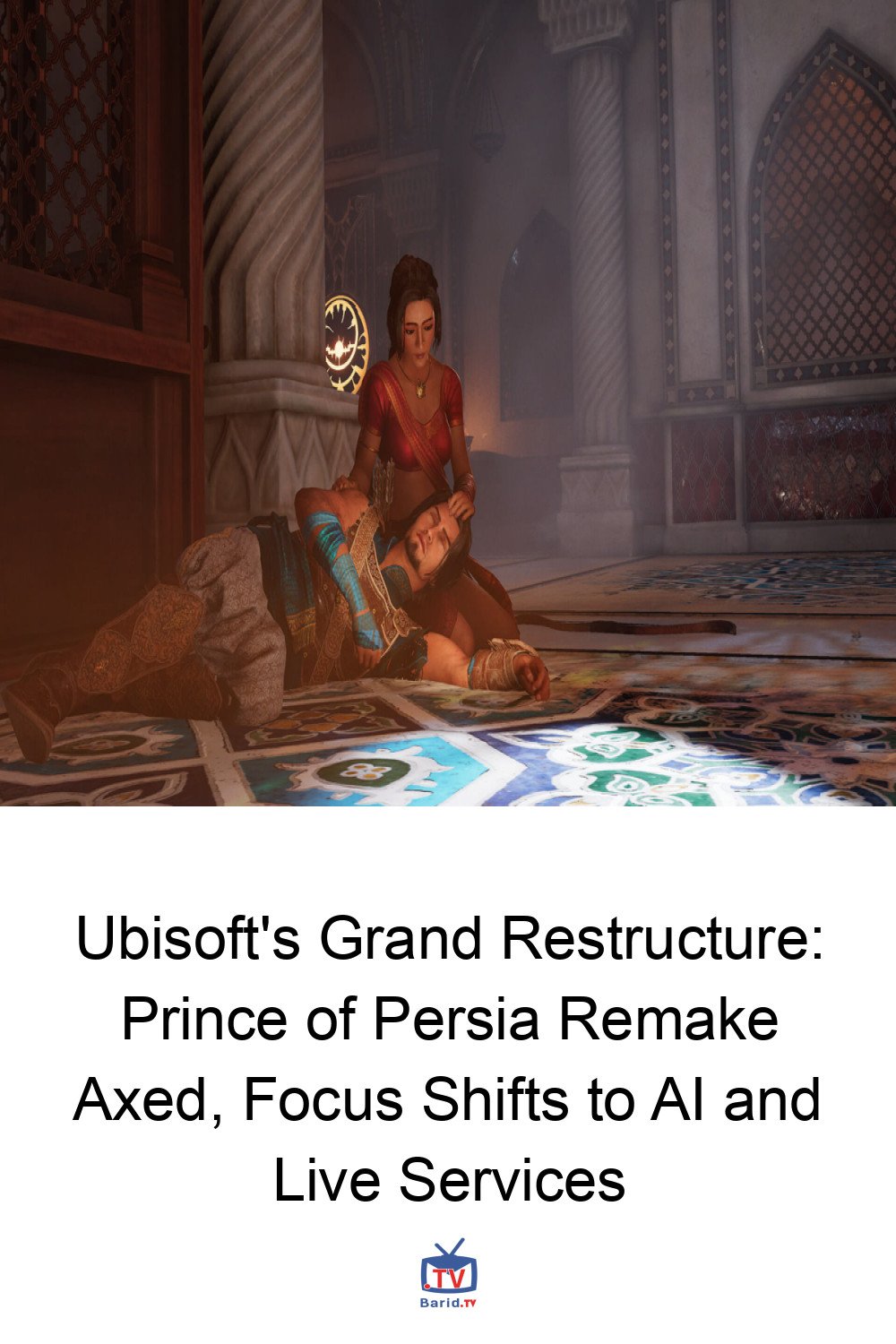
Prince of Persia: The Sands of Time remake. This decision, announced alongside the axing of five other titles, marks a pivotal moment in a comprehensive company restructure designed to bolster growth, streamline finances, and redefine its strategic direction.
The Sands of Time Runs Out: A Remake’s Demise
The journey of the Prince of Persia: The Sands of Time remake has been fraught with delays since its initial announcement in 2020, with an original launch target of January 21, 2021. What followed was a series of postponements, a significant shift in development from Ubisoft’s Mumbai and Pune studios to Montreal in 2022, and a revised release window pushed as far as 2026. Now, after six years since its reveal and persistent challenges, production has been definitively halted.
In a statement shared on the official Prince of Persia X account, Ubisoft acknowledged the project’s potential but conceded, “we weren’t able to reach the level of quality you deserve, and continuing would have required more time and investment than we could responsibly commit.” The company reassured fans that “Prince of Persia as a universe and a legacy continues to matter deeply to us, and this decision does not mean we’re stepping away from the franchise.” Despite these assurances, the news has been met with widespread disappointment and frustration across social media platforms from fans who had eagerly awaited the remake for half a decade.
Ubisoft’s Bold New Blueprint: A Strategic Overhaul
The cancellation of the Sands of Time
remake is not an isolated incident but a direct consequence of a massive structural shakeup within Ubisoft. The company is recalibrating its three-year roadmap, pivoting towards a renewed focus on open-world and live service games, while also committing to “accelerated investments behind player-facing Generative AI.”
At the heart of this restructure is a radical new operating model centered around five specialized “Creative Houses.” Each House is envisioned as a self-sufficient unit, taking full responsibility for a title’s production and publication within a specific genre. Ubisoft is also establishing two new internal organizations, the Creative Network and Core Services, to provide overarching production support.
Yves Guillemot, Ubisoft’s founder and CEO, articulated the vision: “Each [Creative House] is built around a clear genre and brand focus, with full responsibility and financial ownership, led by dedicated leadership teams. It is a radical move, relying on a more decentralised creative organisation with faster decision making and best-in-class cross functional core services supporting and serving each Creative House.”
The Five Creative Houses: A Genre-Focused Future
- CH1 (Vantage Studios): Dedicated to scaling Ubisoft’s flagship franchises like Assassin’s Creed, Far Cry, and Rainbow Six.
- CH2: Focused on competitive and cooperative shooters, including The Division, Ghost Recon, and Splinter Cell.
- CH3: Tasked with live games such as For Honor, The Crew, and Skull & Bones.
- CH4: Will oversee narrative-driven games and fantasy worlds, encompassing titles like Anno, Rayman, Beyond Good & Evil, and notably, the Prince of Persia franchise.
- CH5: Dedicated to casual and family-friendly brands like Just Dance, Uno, and Hasbro.
Beyond Prince of Persia: Further Portfolio Refinements
The Sands of Time remake is one of six titles that will not see the light of day under this new structure. Four of these cancelled games were unannounced, with three being entirely new IPs. Ubisoft explained these cancellations as a “strategic decision to refocus its portfolio” after a rigorous review of its content pipeline. The axed projects reportedly failed to “meet the new enhanced quality as well as more selective portfolio prioritisation criteria.”
The Human Cost: Layoffs and Financial Impact
While CEO Yves Guillemot anticipates that this restructure will significantly impact Ubisoft’s finances over the next two years, he remains confident that the company will emerge stronger. However, this strategic pivot has not been without its human cost. Ubisoft has been undergoing continuous layoffs in recent years as part of its cost-reduction efforts, seeing its headcount shrink from nearly 21,000 in 2022 to 17,097 by its last November earnings call. Further layoffs are expected as the company navigates this transformative period.
This bold move by Ubisoft signals a clear intent to streamline operations, prioritize key genres, and embrace emerging technologies like AI, even if it means letting go of long-awaited projects and enduring a period of significant internal change.
For more details, visit our website.
Source: Link