For decades, lithium has been a cornerstone in mental health, primarily recognized as a potent mood stabilizer for individuals grappling with bipolar disorder. Yet, a fascinating and far less discussed facet of this mineral is now drawing significant scientific attention: its potential role in safeguarding brain health and potentially preventing Alzheimer’s disease.
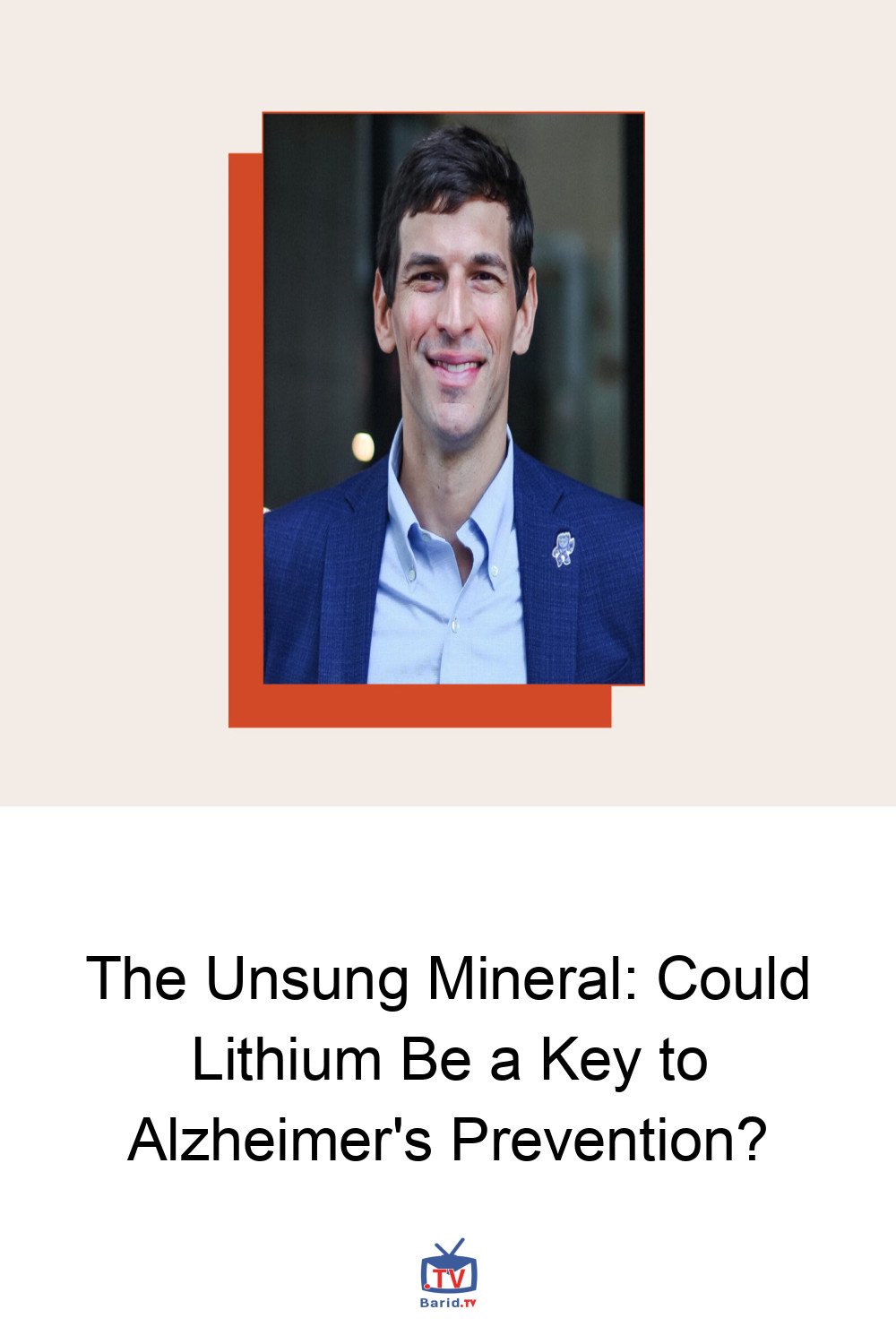
This intriguing connection comes to light through the work of physician-scientist David Fajgenbaum, M.D., a leading voice in the field of drug repurposing. Having triumphed over a rare immune disease five times, Dr. Fajgenbaum champions the powerful idea that many treatments we desperately need might already exist, hidden in plain sight within our current pharmacopeia. Lithium, he argues, serves as a compelling illustration of this untapped potential.
Unearthing Lithium’s Hidden Potential
While lithium’s established role in psychiatric care is undeniable, scientists have quietly harbored suspicions about its broader neuroprotective capabilities for over a decade. Dr. Fajgenbaum’s insights, shared on the mindbodygreen podcast, illuminate why this often-overlooked compound is now experiencing a resurgence in scientific inquiry, potentially reshaping our understanding of brain health and age-related cognitive decline.
The Science Speaks: Lithium and Cognitive Health
A growing body of evidence, spanning laboratory data from human and animal models, alongside extensive health records, suggests that lithium may indeed play a crucial role in reducing the risk of Alzheimer’s disease. Despite early signals emerging more than ten years ago, the pace of research has been slow, but recent studies are beginning to clarify the mechanisms at play.
Lower Lithium Levels in Alzheimer’s Brains
Groundbreaking research analyzing post-mortem brain tissue has revealed a significant finding: lithium levels were notably lower in the prefrontal cortex of individuals diagnosed with mild cognitive impairment and Alzheimer’s disease. This pattern was unique to lithium, distinguishing it from other metals and suggesting it could be an early indicator or even a contributing factor in disease progression.
Animal Models Reveal Protective Effects
Further compelling evidence comes from mouse models. Studies demonstrated that reducing dietary lithium intake accelerated the hallmark features of Alzheimer’s, including the accumulation of amyloid plaques, the formation of tau tangles, neuroinflammation, and a decline in cognitive function. Crucially, restoring lithium levels, particularly with a form known as lithium orotate, not only helped prevent these detrimental changes but also remarkably reversed memory loss in aging mice.
Collectively, these findings strongly imply that lithium performs a vital physiological function in maintaining brain health as we age. A disruption in this delicate lithium balance could, therefore, represent an early and significant event in the development of Alzheimer’s disease.
Navigating the Present: What This Research Means Today
It is paramount to understand the current implications of this research. While promising, lithium is not presently approved for the prevention or treatment of Alzheimer’s disease. Experts unequivocally caution against self-supplementation. The doses of lithium used in mood disorders are meticulously monitored due to potential side effects, and even lower-dose forms like lithium orotate require rigorous study and clinical trials before any recommendations can be made for cognitive health.
Nevertheless, this research offers a profound broader takeaway: Alzheimer’s disease may not be a sudden onset condition in late life. Instead, subtle biological shifts, including imbalances in crucial micronutrients like lithium, could be occurring years, even decades, before symptoms manifest. Identifying and correcting these early changes could unlock entirely new avenues for prevention.
A New Paradigm for Prevention
Dr. Fajgenbaum views lithium as part of a larger, transformative pattern in medicine. He believes that by meticulously examining existing drugs and compounds, and by integrating insights from health records, molecular pathways, and long-term patient outcomes, researchers can uncover novel therapeutic applications far beyond their original design.
While lithium itself remains under active investigation, the emerging science reinforces several practical and enduring principles for brain health:
- Long-Term Biological Balance: Cognitive health is profoundly influenced by sustained biological equilibrium, not merely by late-stage interventions. Prioritizing brain health earlier in life is crucial.
- The Role of Micronutrients: The status of various nutrients and minerals, even those rarely discussed in the context of neurodegeneration, can play a significant role.
- Innovation Through Re-evaluation: Progress in medicine doesn’t always necessitate new inventions. Often, it stems from asking better, more insightful questions about the tools and compounds we already possess.
For those concerned about cognitive health, the foundational, evidence-backed strategies remain paramount: consistent physical activity, optimizing sleep quality, maintaining cardiovascular health, and effectively managing inflammation. As research continues to evolve, new tools and insights, like those surrounding lithium, may eventually complement these essential habits.
The Takeaway
Lithium’s burgeoning connection to Alzheimer’s disease offers a powerful and hopeful reminder. The future of brain health may not solely hinge on the discovery of breakthrough drugs that do not yet exist. Instead, some of the most impactful answers might already be hiding in plain sight, awaiting rediscovery and re-evaluation.
For more details, visit our website.
Source: Link