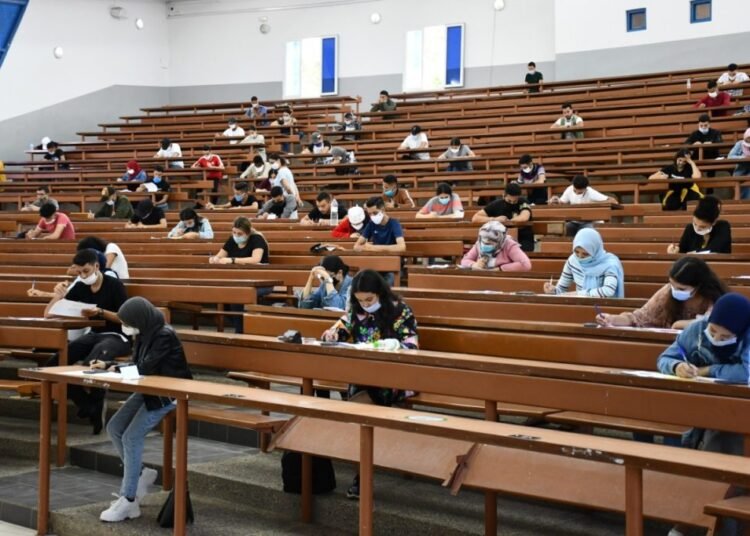

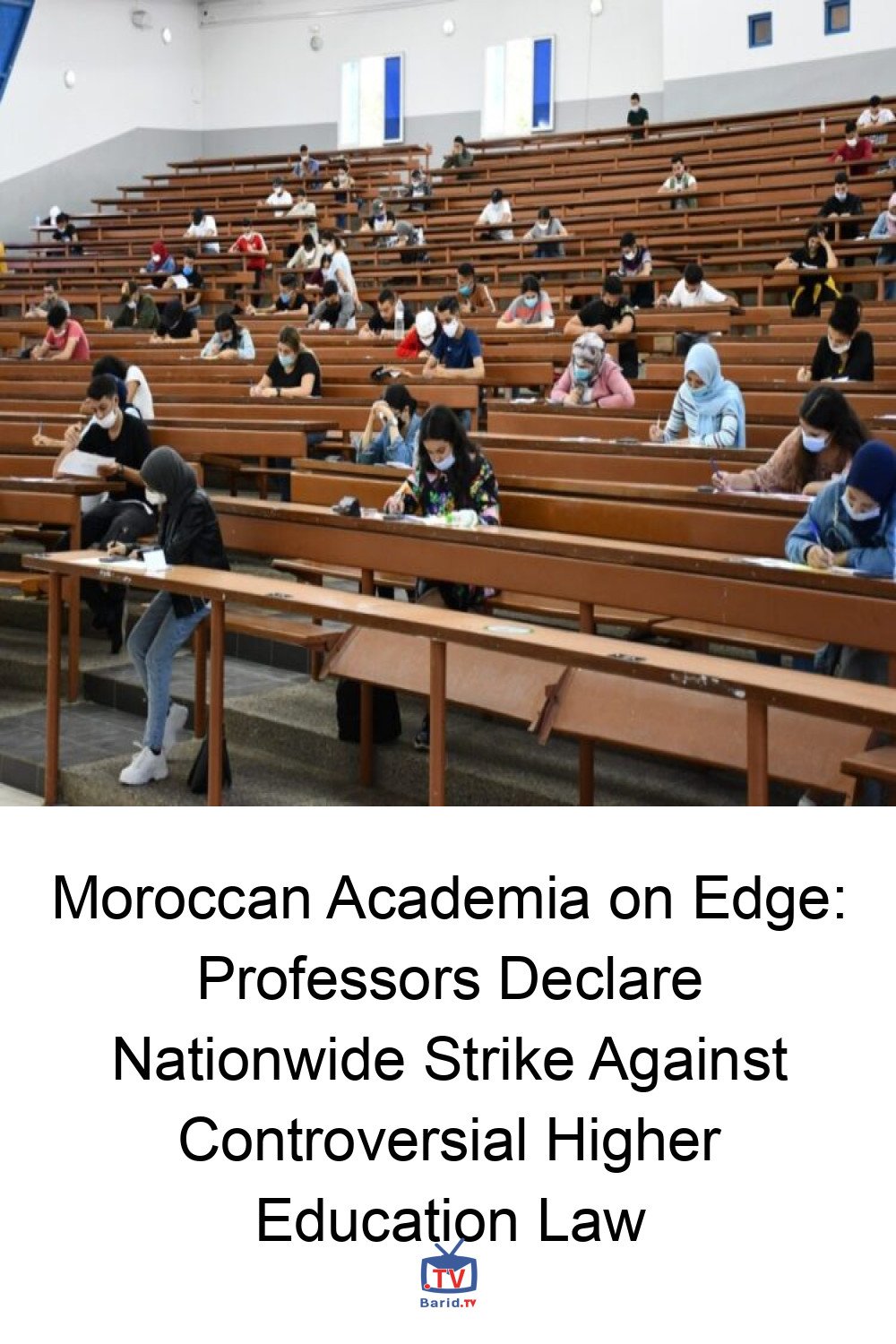
Rabat, Morocco – A storm is brewing within Morocco’s academic landscape as the National Union of Higher Education (SNESup) has declared a nationwide three-day strike across public universities. Slated for February 3 to 5, this significant industrial action is a direct response to a recently approved higher education law, Draft Law No. 59.24, which professors contend threatens the very foundations of public education in the kingdom.
A Law Under Fire: Undermining Academic Pillars
The union’s opposition to the new legislation is multifaceted and deeply rooted in concerns over academic autonomy and the future accessibility of higher learning. At the heart of their grievances is the belief that the law severely undermines the independence and democratic governance of public universities.
Key Objections to Draft Law No. 59.24:
- Erosion of Independence: Professors argue the law introduces a “Board of Trustees” with powers that could centralize and dominate decision-making, effectively sidelining academic bodies and democratic processes within institutions.
- Threat of Privatization: A major concern is the perceived opening of doors to privatization, which the union fears will weaken free access to higher education, transforming it from a public good into a market commodity.
- System Fragmentation: The legislation is criticized for fragmenting the higher education system by permitting foreign universities and a multitude of private actors to operate within Morocco without adequately integrating existing public training centers.
- Lack of Consultation: Perhaps most galling to the academic community is the alleged lack of transparency and consultation during the drafting process. Despite being a crucial stakeholder, the union claims it was not involved, and the final version of the law was only shared after government approval.
Escalating Protests: A Gradual Strategy
This upcoming 72-hour strike is not an isolated incident but the culmination of a graduated protest strategy. Youssef El Kouari, a prominent member of SNESup’s national council, highlighted that earlier 24-hour and 48-hour strikes failed to elicit a meaningful response from authorities. He also noted a separate strike on January 22 involving non-university higher education institutions, underscoring a broader discontent within the educational sector.
El Kouari expressed profound disappointment over the complete stall in dialogue with the supervising ministry, stating that previously agreed commitments have gone unimplemented. He dismissed the amendments introduced to the draft law as “superficial,” failing to address the core issues raised by the union.
A Call for Genuine Dialogue and Democratic Governance
The union’s demands are clear: they seek a higher education law that unequivocally guarantees university independence and democratic governance. This includes the direct election of university leaders and representatives from professors, staff, and students, ensuring that the academic community has a genuine say in its own future.
As the strike dates approach, the academic community holds its breath, hoping that the government will heed their calls, step back from the current trajectory, and engage in serious, responsible dialogue to safeguard the integrity and accessibility of Morocco’s public higher education system.
For more details, visit our website.
Source: Link