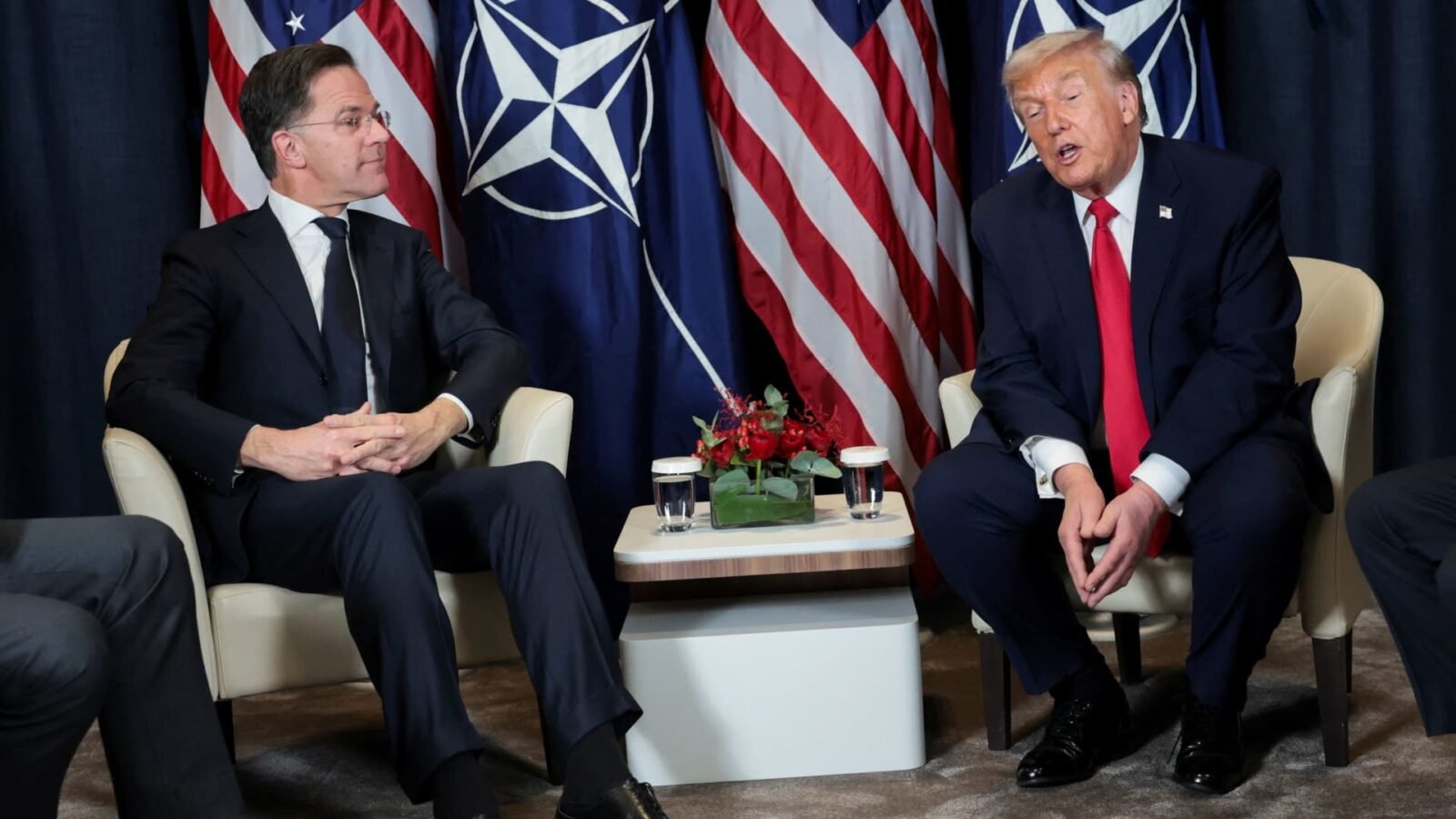

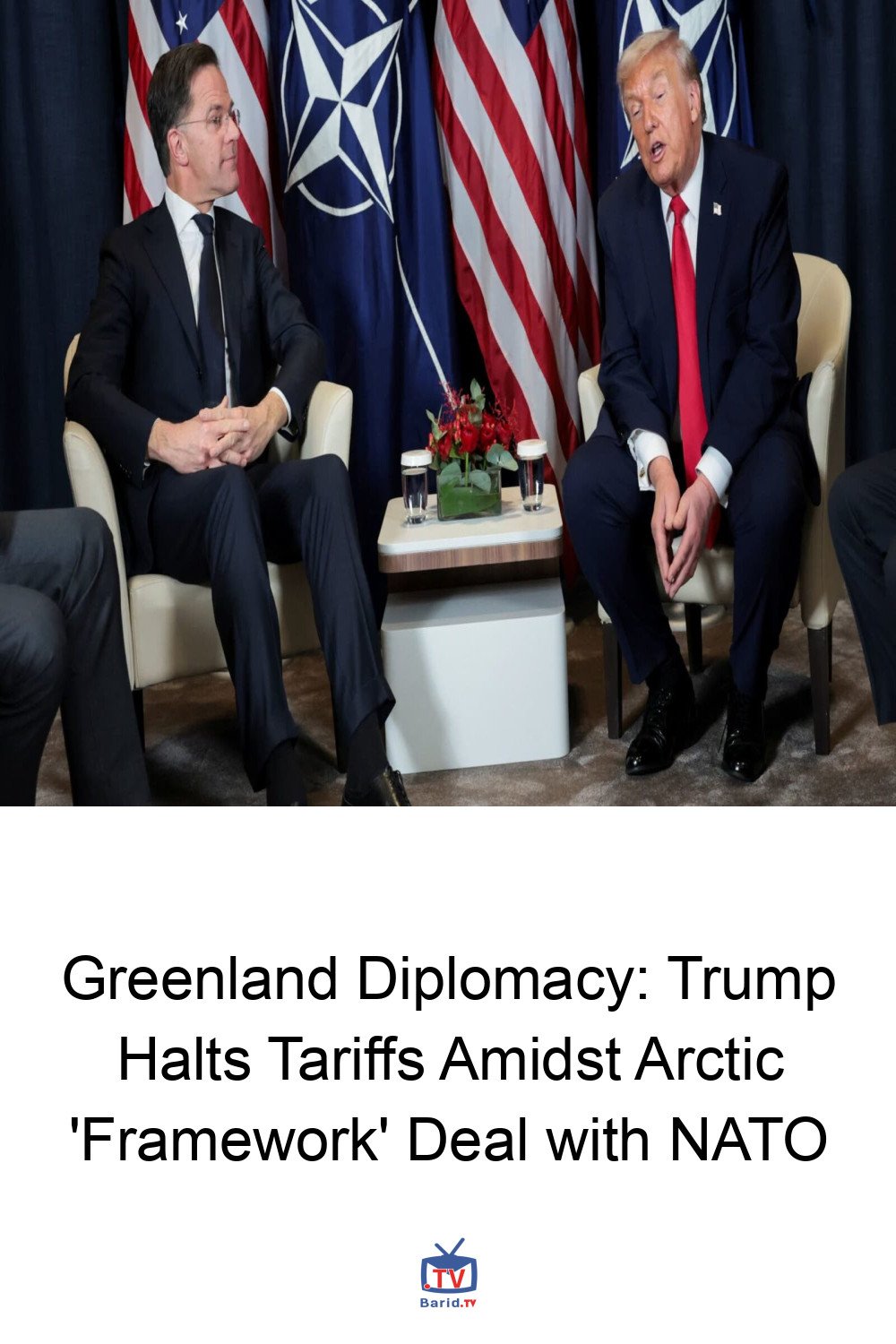
In a surprising diplomatic pivot, President Donald Trump announced a “framework” agreement with NATO regarding Greenland, a move that immediately led to the suspension of punitive tariffs previously threatened against European nations. The announcement, made after a productive meeting with NATO Secretary General Mark Rutte, signals a significant de-escalation in a contentious geopolitical saga.
A Shift in Arctic Strategy
The “concept of a deal,” as described by President Trump, outlines a future arrangement concerning Greenland and the broader Arctic region. While specific details remain somewhat opaque, Trump indicated that the framework encompasses U.S. interests in mineral rights on the vast island, alongside the potential integration of the administration’s proposed “Golden Dome” missile defense system. This marks a notable evolution from earlier, more aggressive overtures by the Trump administration, which had explored options ranging from purchasing Greenland to even military acquisition – proposals firmly rejected by Denmark, which governs the autonomous territory.
Tariff Tensions Ease
Perhaps the most immediate and tangible outcome of this nascent agreement is the reversal of impending tariffs. European countries had braced for new duties, set to commence on February 1st, with threats of escalation to 25% by June. President Trump explicitly stated that these tariffs would no longer be imposed, citing the positive developments in the Greenland negotiations. This news sent a ripple of relief through global markets, with stocks rebounding sharply after a period of volatility fueled by the previous tariff threats.
From Confrontation to Collaboration?
The path to this “framework” has been fraught with tension. Trump’s initial pursuit of Greenland on national security grounds, including calls for “immediate negotiations” with Denmark, had unnerved many international observers. Danish and Greenlandic officials consistently maintained that the island was not for sale, leading to increased military presences by European NATO nations in the territory and a tit-for-tat exchange of threats. The current announcement, however, suggests a shift towards a more collaborative, albeit complex, approach.
The Golden Dome and Mineral Riches
The inclusion of the “Golden Dome” missile defense system and mineral rights underscores the strategic importance the U.S. places on Greenland. The Arctic region is increasingly seen as a critical geopolitical arena, rich in untapped resources and vital for strategic defense. While the specifics of how these elements will be integrated into the framework are yet to be fully disclosed, they point to a long-term vision for U.S. engagement in the region.
Future Negotiations and International Reactions
Further discussions are anticipated, with President Trump naming Vice President JD Vance, Secretary of State Marco Rubio, and Special Envoy Steve Witkoff among those who will lead the negotiations, reporting directly to him. White House spokeswoman Anna Kelly affirmed that more details would be unveiled as these discussions progress.
International reactions have been cautiously optimistic. Danish Foreign Minister Lars Løkke Rasmussen, in an X post, noted that “The day is ending on a better note than it began,” urging parties to address American security concerns in the Arctic while respecting established “red lines” laid down by them.
For more details, visit our website.
Source: Link