
The geopolitical landscape surrounding Greenland has ignited a storm of controversy, intertwining high-stakes diplomacy with global financial markets. At the heart of the tempest is U.S. Treasury Secretary Scott Bessent, whose recent remarks at the World Economic Forum have sent ripples through international relations, particularly concerning Denmark and its financial maneuvers.
Bessent Dismisses Danish Treasury Sell-Off as ‘Irrelevant’
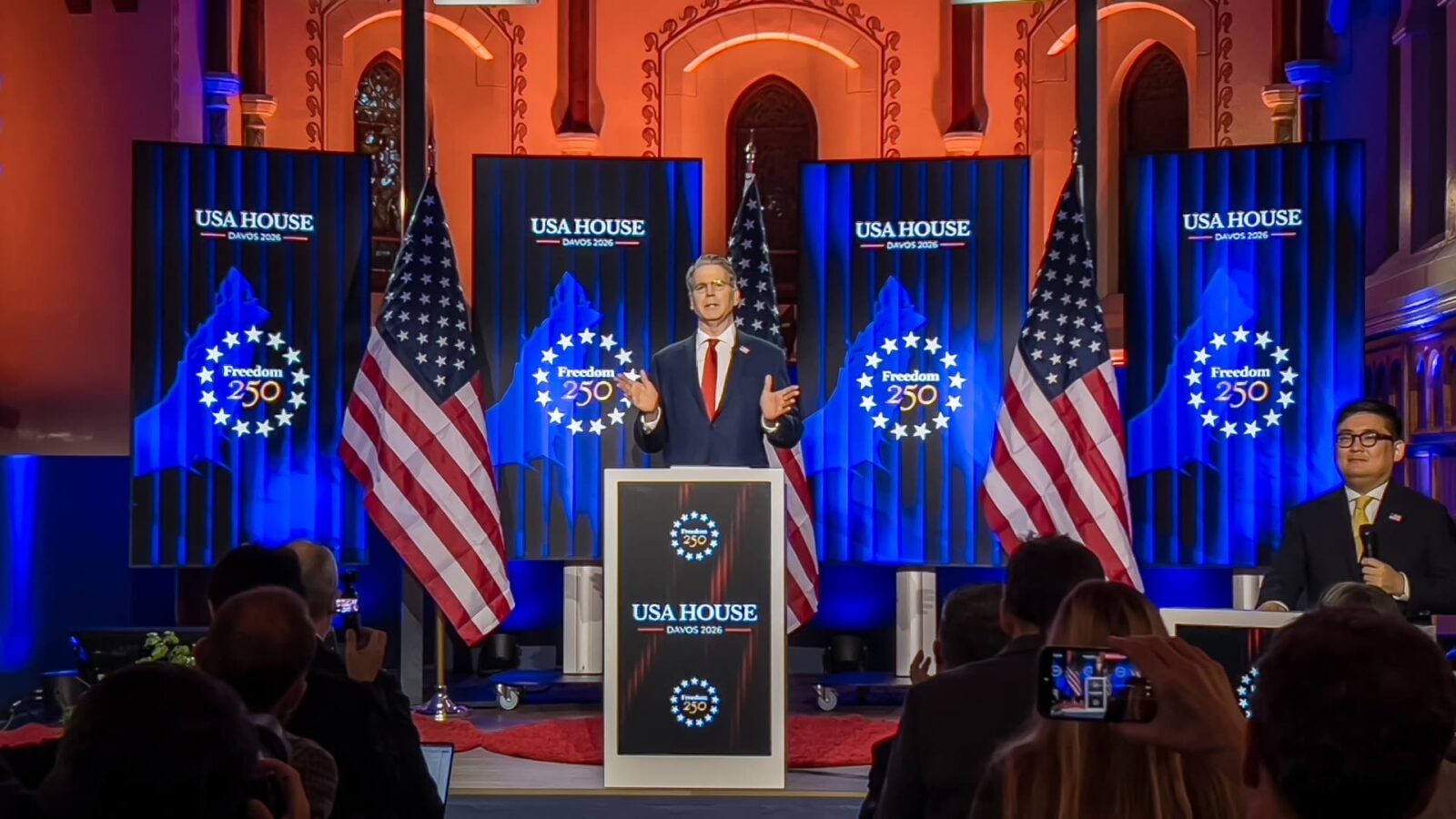
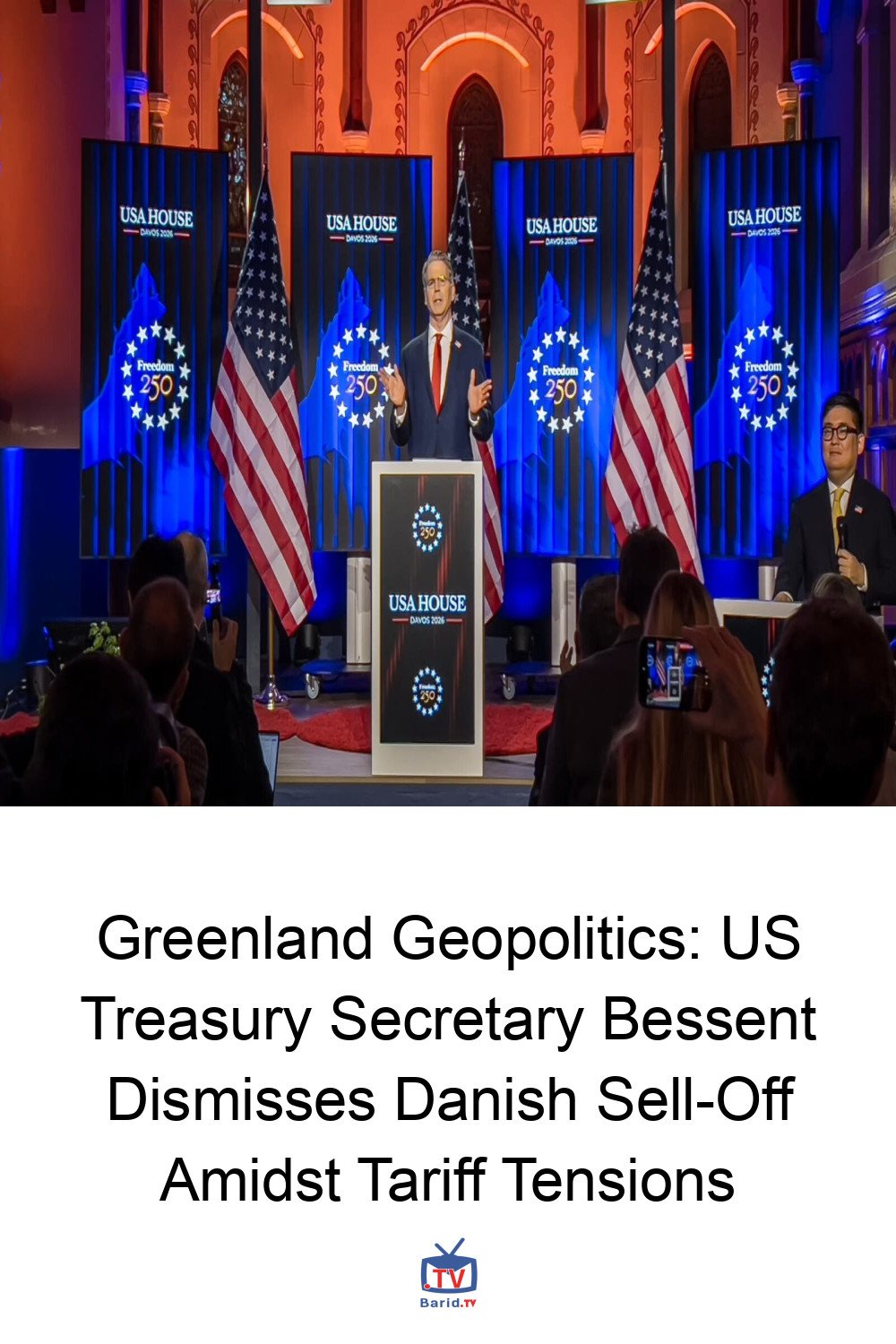
Amidst a backdrop of heightened U.S.-European tensions, a “sell America” trend saw investors divesting from U.S. stocks and bonds. However, U.S. Treasury Secretary Scott Bessent remained steadfastly unconcerned. Speaking to reporters at Davos, Bessent made a striking declaration regarding Denmark’s recent move to offload U.S. Treasury bonds.
“Denmark’s investment in U.S. Treasury bonds, like Denmark itself, is irrelevant,” Bessent stated unequivocally. He further elaborated, dismissing the $100 million sell-off by Danish pension operator AkademikerPension as negligible, noting, “That is less than $100 million. They’ve been selling Treasuries for years, I’m not concerned at all.”
AkademikerPension’s investing chief, Anders Schelde, had cited “poor [U.S.] government finances” as the rationale behind their decision, a move that Bessent clearly found inconsequential.
Greenland Gambit and Trump’s Tariff Threats
The current financial jitters and diplomatic friction are largely fueled by President Donald Trump’s assertive push to acquire Greenland from Denmark. This ambition has escalated tensions with European leaders, leading to threats of imposing 10% tariffs on eight European countries, potentially rising to 25% by February 1st. These threats have already caused U.S. stocks and bond prices to tumble, pushing yields higher.
Europe’s substantial holdings in U.S. Treasuries, estimated at $8 trillion in bonds and equities, have been considered a potential countermeasure, giving European nations a significant economic lever in the escalating dispute.
The Deutsche Bank Controversy: An Analyst’s Warning and a Bank’s Retraction
The idea of European investors divesting from U.S. assets gained traction following a January 18th note from Deutsche Bank. George Saravelos, the bank’s global head of FX research, highlighted a key U.S. vulnerability: its reliance on external financing for large deficits. Saravelos questioned why Europeans would continue to play this role amidst disruptions to the “geoeconomic stability of the western alliance.” He specifically mentioned Danish pension funds as early movers in repatriating money and reducing dollar exposure, suggesting a broader trend.
However, Bessent claimed that the CEO of Deutsche Bank later called him to disavow the analyst’s report. A Deutsche Bank spokesperson, while not commenting on private communications, reaffirmed the independence of Deutsche Bank Research, stating that individual research notes do not necessarily represent the bank’s management views.
Greenland’s Voice: Not for Sale
While the U.S. and Europe engage in economic and diplomatic sparring, Greenland itself has expressed profound bewilderment and distress. Naaja Nathanielsen, Greenland’s business minister, conveyed the island’s perspective to CNBC, describing Trump’s bid to annex the territory as “devastating.”
“We have always considered ourselves as an ally of the U.S. and have tried to accommodate the needs from the U.S. over the years and done so happily,” Nathanielsen stated. “To all of a sudden find ourselves in the midst of a storm that’s about acquiring us like a product or a property, it’s really difficult for us — not to mention the threats of military action and an actual occupation of our country.”
Greenlandic politicians have made it clear: the island is open for business, but it is unequivocally not for sale.
The Arctic’s Strategic Imperative
The U.S. interest in Greenland stems from its designation as a national security concern. As the Arctic region warms, new trade routes and strategic opportunities emerge, setting the stage for potential power dynamics between the U.S., Russia, and China. The Trump Administration aims to pre-empt such conflicts, with Bessent articulating the U.S. position: “We are asking our allies to understand that Greenland needs to be part of the United States.”
Bessent drew a historical parallel, noting the U.S. acquisition of the U.S. Virgin Islands from Denmark during WWI due to their strategic importance. He emphasized President Trump’s commitment to not “outsource our national security or our hemispheric security to any other countries,” even hinting at disappointment with the UK regarding the Diego Garcia base.
The unfolding drama over Greenland highlights a complex nexus of economic policy, international relations, and national sovereignty, with the Arctic emerging as a critical flashpoint in global geopolitics.
For more details, visit our website.
Source: Link