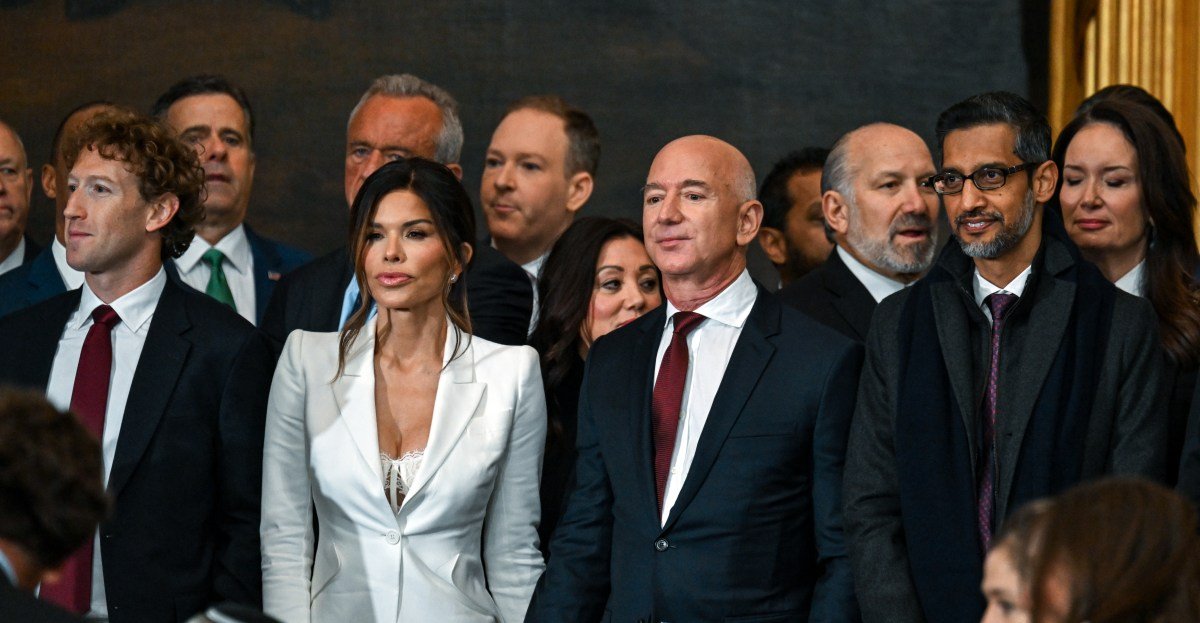

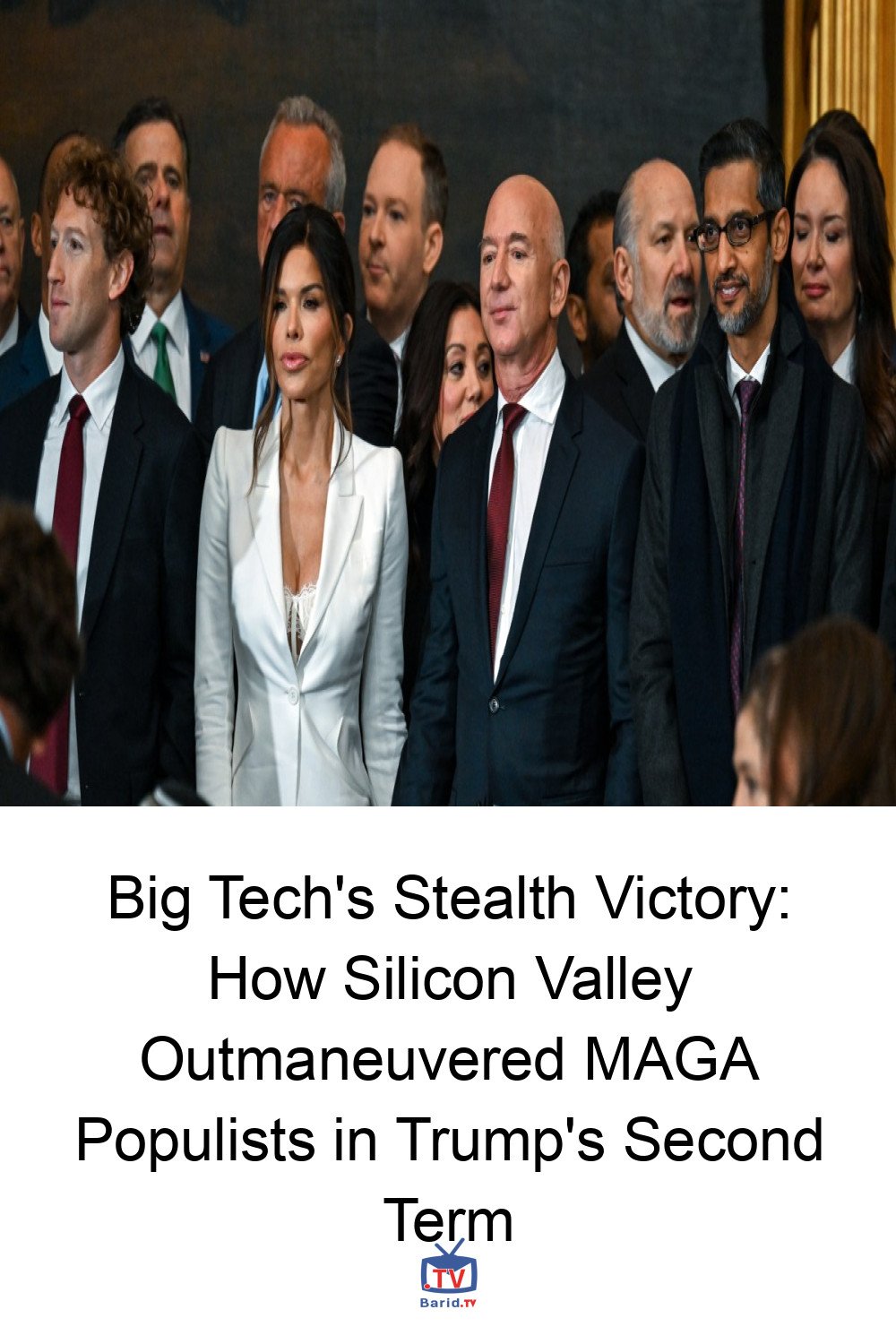
Exactly one year ago, the political landscape buzzed with a singular narrative: Big Tech, once seen as an adversary, was now bending the knee to Donald Trump. Powerful populist voices like Steve Bannon reveled in the sight of tech titans – Mark Zuckerberg, Jeff Bezos, Sundar Pichai – attending Trump’s second inauguration, visiting Mar-a-Lago, and seemingly becoming “supplicants” to a president whose administration promised to rein them in. Bannon famously declared that Trump had “broken the oligarchs.” Yet, a year into this second term, the script has flipped dramatically.
The Shifting Sands of Power: From Supplicants to Sway
The initial perception was clear: MAGA populists, having consolidated their power, were poised to dismantle the perceived excesses of Silicon Valley. Their agenda included breaking up tech giants, forcing the sale of platforms like TikTok, and ensuring states’ rights against unchecked AI development. The tech CEOs, by their presence and donations, seemed to acknowledge this new reality, seemingly ready to accept their fate.
MAGA’s Tech Ambitions Derailed
However, the anticipated populist crackdown on Big Tech has largely failed to materialize. The grand push to break up these companies? It’s faded into the background. The insistence on an American company acquiring TikTok, once deemed “cultural poison” by MAGA? It’s supposedly still on the table, but not without Trump himself embracing the platform, a move that directly defies core populist values.
Perhaps most tellingly, the battle over AI regulation saw a decisive victory for the tech industry. Despite conservative backlash and concerns about states’ rights and job displacement, relentless lobbying by figures like billionaire David Sacks reportedly swayed Trump to sign an executive order that effectively preempts states from enacting or enforcing their own AI laws, centralizing power in a way that directly contradicts populist principles.
Immigration and the H1-B Rift
Even on issues as sensitive as immigration, the tech industry’s influence has caused significant ideological friction within the MAGA base. Last November, Trump ignited outrage among his conservative supporters by defending H1-B visas for high-skilled foreign tech workers. His assertion that American workers lacked “certain talents” required by Big Tech was a direct challenge to the “America First” rhetoric that defines his movement. While Trump did overhaul the broader immigration lottery system towards a more nativist stance, the continued existence of the H1-B program itself exposed a deep chasm within the MAGAsphere, questioning the very essence of their nationalist economic vision.
Trump’s Enduring Principle: The Arena of Favor
To understand this unexpected turn, one must look to Donald Trump’s consistent organizational principle: a perpetual competition for his attention and favor. Throughout his first term, various factions—New York financiers, the Republican establishment, career officials, his own children, and the nascent MAGA wing—vied for influence. By 2024, many of these traditional power brokers had either retreated or capitulated, leaving MAGA populism seemingly triumphant and unchallenged.
Yet, Big Tech, with its deep pockets, sophisticated lobbying, and strategic engagement, effectively entered this arena anew. They didn’t just become “supplicants”; they became formidable competitors for Trump’s ear, successfully redirecting policy away from the populist agenda. While MAGA has certainly secured victories in other areas of the administration—from aggressive lawfare by the DOJ to an expanded mandate for Homeland Security—their hold on tech policy has demonstrably weakened.
What Lies Ahead?
The past year has revealed a surprising resilience and strategic prowess from Big Tech, demonstrating their capacity to navigate and even shape the political currents of a populist administration. The initial narrative of tech’s subjugation has given way to one of subtle but significant influence. As the White House continues its internal drama, the shifting allegiances and policy pivots offer a compelling glimpse into the evolving power dynamics of American politics. It’s a telling sign when a figure like Steve Bannon, who once boasted of plans for an unconstitutional third Trump term, is now reportedly eyeing a presidential run himself—perhaps a tacit acknowledgment of the populist movement’s unexpected compromises.
For more details, visit our website.
Source: Link