

For many, the day doesn’t truly begin until that first sip of coffee or tea. Indeed, approximately 85% of adults in the U.S. rely on caffeine’s energizing kick to power through their routines. But what if this ubiquitous stimulant offered more than just a wake-up call? Emerging research suggests that caffeine plays a significant role in stimulating various metabolic processes, potentially aiding in calorie expenditure and fat loss when consumed judiciously.
Let’s delve into the science of how to optimize your caffeine intake to support a vibrant, healthy metabolism.
Caffeine: A Natural Metabolic Catalyst
Caffeine is a naturally occurring compound found in plants like coffee beans, tea leaves, and cacao, contributing to their characteristic bitter flavor. Once ingested, it’s rapidly absorbed and exerts powerful stimulating effects on the central nervous system (brain and spinal cord). This interaction is primarily responsible for reducing tiredness and enhancing alertness, though it can also lead to jitters in some individuals. Crucially, the brain’s influence extends to hormones that regulate energy balance and weight.
Beyond the central nervous system, caffeine also excites the sympathetic nervous system. This vital system is instrumental in governing energy expenditure – the delicate balance between the calories we consume and those we burn. These systemic alterations are key to understanding how caffeine can incite favorable changes in metabolic function.
Boosting Calorie and Fat Burn
Caffeine’s metabolic prowess extends to increasing your body’s calorie burn through two primary mechanisms:
Elevating Basal Metabolic Rate and Thermogenesis
Your basal metabolic rate (BMR) represents the calories your body burns at rest, simply to maintain essential functions. Caffeine has been shown to subtly increase this baseline. Furthermore, it enhances thermogenesis – the energy your body expends generating heat, particularly during digestion and nutrient absorption. This creates a prolonged thermogenic state. Expert dietitians note that caffeine consumption can increase daily calorie burn by an estimated 80 to 150 calories.
Accelerating Fat Oxidation During Exercise
For those looking to optimize fat loss, caffeine offers another compelling benefit. Research, including a 2020 review and pooled analysis of 19 studies, indicates that a moderate dose of caffeine consumed before aerobic exercise (such as walking, running, or swimming) is linked to significantly higher rates of fat oxidation during the workout. This means your body is more efficiently tapping into its fat stores for energy.
Caffeine’s Role in Weight and Body Fat Reduction
The cumulative effects of caffeine on metabolism can translate into tangible results for weight management. A 2019 analysis of 13 randomized controlled trials, involving over 600 participants, found a clear link between higher caffeine intake and greater reductions in overall weight, body mass index (BMI), and fat mass.
The EGCG Advantage: A Synergistic Boost
Caffeine triggers the release of adrenaline, a hormone known to boost metabolism and fat oxidation. EGCG, in turn, prolongs the circulation of adrenaline in the bloodstream before it’s broken down, thereby extending and enhancing this metabolic surge.
One study involving 76 individuals demonstrated that high caffeine intake was associated with greater weight loss, fat mass loss, and reductions in waist circumference. Interestingly, for those who typically consumed less caffeine, a green tea-caffeine mixture proved effective in promoting weight maintenance.
Finding Your Metabolic Sweet Spot: Optimal Caffeine Intake
To harness caffeine’s metabolic benefits, the research points to an optimal intake of approximately 150 milligrams. To put this into perspective:
An 8-ounce cup of brewed coffee typically contains about 96 milligrams of caffeine.
- A cup of matcha offers around 70 milligrams.
- A standard cup of green tea provides about 30 milligrams.
While the Food and Drug Administration (FDA) generally advises capping daily caffeine intake at around 400 milligrams, individual tolerance varies significantly. Some individuals can safely consume more, while others may experience negative side effects with less. It’s crucial to listen to your body.
Harnessing Caffeine’s Metabolic Power with Targeted Support
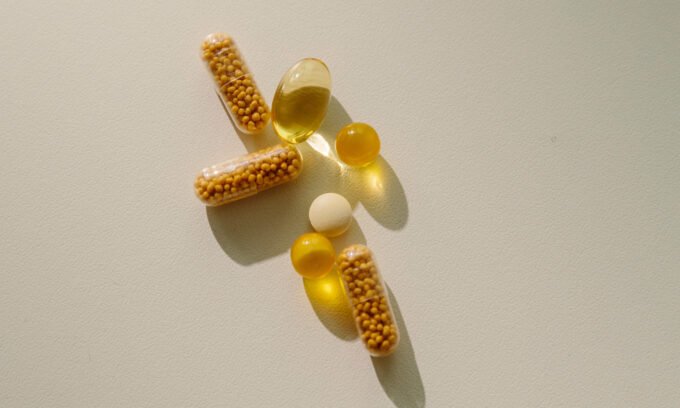
If you’re aiming to fine-tune your metabolic health and optimize your caffeine intake, a targeted supplement can be a strategic ally. Products like mindbodygreen’s metabolism+ are formulated to leverage the synergistic power of green tea leaf-derived caffeine and EGCG, alongside extracts from veld grape and cayenne pepper.
This innovative formula is designed to optimize your metabolic rate, support a healthy body composition, and help regulate appetite. With two capsules delivering the research-backed 150 milligrams of caffeine, it offers a convenient way to integrate these metabolic benefits into your daily routine, ideally taken earlier in the day.
For more details, visit our website.
Source: Link