The Cannabis Industry’s Long-Awaited Awakening
For years, the cannabis industry has existed in a paradoxical state: a multi-billion-dollar sector with legitimate businesses and a burgeoning consumer base, yet shackled by federal regulations that forced it into the shadows. Promises of federal legalization have come and gone, leaving a trail of disappointed investors and a market synonymous with unfulfilled potential. However, a recent executive order by President Donald Trump to reschedule marijuana from Schedule I to Schedule III represents more than just another policy tweak; it’s a targeted strike at the financial chokepoints that have stifled the industry’s growth.
While this move doesn’t equate to national recreational legalization, nor does it resolve every impediment, its significance lies in addressing the core financial hurdles that have kept a vibrant $30 billion industry operating like a shadow economy.
Unshackling from Punitive Taxation: The End of Section 280E
The most immediate and impactful change stemming from rescheduling is the potential overhaul of the industry’s tax burden. Under current federal law, specifically Section 280E of the tax code, businesses that ‘touch the plant’ are prohibited from deducting ordinary business expenses such as rent, wages, or utilities from their taxable income. This punitive measure exists because marijuana, under Schedule I, shares a classification with substances like heroin, leading to effective tax rates for cannabis companies soaring between 60% and 90%.
The financial strain has been immense. GreenWave Advisors, a cannabis industry research firm, reported that between 2019 and September 2025, the eight largest multistate cannabis operators paid a mere $600 million of an estimated $2.6 billion in owed taxes. These accumulating liabilities have created a slow-motion financial crisis, even for technically profitable companies. Rescheduling to Schedule III would effectively eliminate this draconian tax treatment overnight, freeing up substantial capital. One cannabis CEO revealed to NPR that his company alone had earmarked $38 million for potential IRS enforcement in 2024; funds that could now be redirected towards expansion, hiring, or vital research and development.
Beyond Taxes: Integrating into the Financial Mainstream
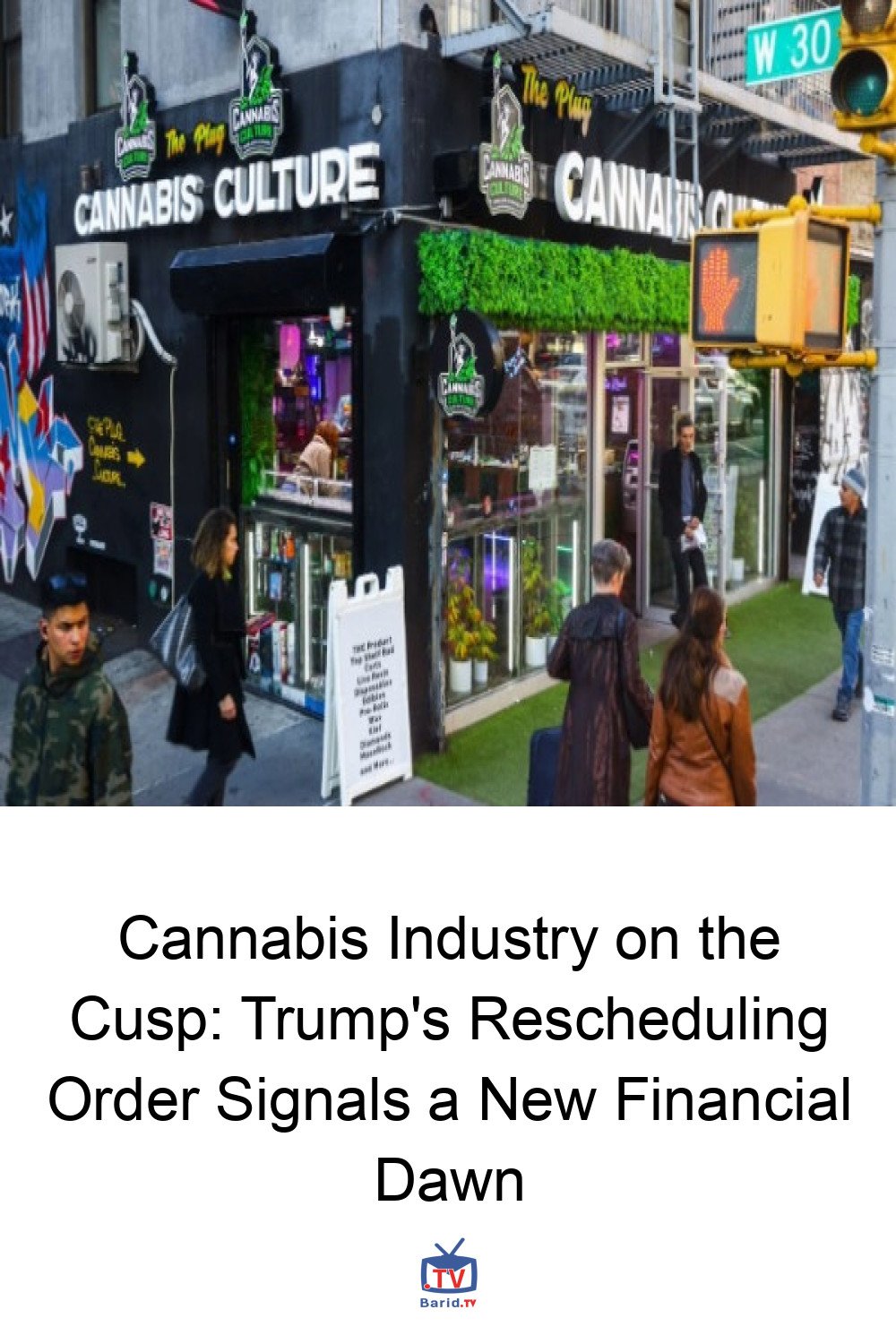
The implications extend far beyond tax relief. Rescheduling holds the key to finally ending the cannabis industry’s prolonged exile from the American financial system. Today, a visit to most dispensaries reveals ATMs prominently placed near the entrance – not for convenience, but out of necessity. The vast majority of cannabis retailers are unable to accept credit or debit cards because payment processors, like traditional banks, refuse to engage with businesses dealing in a Schedule I substance, deeming the risk too high.
This forced reliance on cash creates significant security vulnerabilities, making dispensaries prime targets for robberies focused on cash drawers rather than product. Furthermore, the cash-only model severely impedes access to crucial business loans. Banks are hesitant to lend when a company’s primary assets, its cash, could technically be considered proceeds of a federal crime, complicating collateral seizure in the event of default.
While rescheduling won’t instantly open the floodgates – banks will still need to update compliance procedures, and interstate transport of cannabis remains illegal – it largely dissolves the fundamental legal conflict between state and federal law that has paralyzed financial institutions. This pivotal shift could finally enable payment processors and traditional lenders to enter the market without fear of prosecution, unlocking unprecedented access to capital and financial services.
Navigating Skepticism and Future Hurdles
Given the immense potential, one might expect cannabis stocks to have surged on the news. Instead, the AdvisorShares Pure US Cannabis ETF dropped 27% on the day Trump signed the order and has continued its decline. This reaction is partly attributable to classic market dynamics – prices had already doubled in anticipation of the announcement, leading to profit-taking. However, it also reflects a deeper, ingrained skepticism among investors who have been burned by numerous false dawns, legislative stalls, and administrative delays.
Challenges remain. The Trump order still requires implementation through the Justice Department and could face legal challenges from anti-marijuana groups. Moreover, it doesn’t address other critical industry priorities, such as access to major stock exchanges or the establishment of interstate commerce.
A Maturing Industry Demands Legitimate Frameworks
Despite the hurdles and lingering skepticism, the underlying fundamentals of the cannabis industry suggest this moment is genuinely different. Colorado, for instance, is projected to cross $1 billion in marijuana sales for 2025, generating nearly $200 million in state tax revenue. The sector now employs over 400,000 people across almost 15,000 licensed dispensaries. These are not illicit operations; they are legitimate businesses with real customers, trapped within a regulatory framework designed for drug cartels. The move to Schedule III is a crucial, if not complete, step towards aligning policy with economic reality, paving the way for the cannabis industry to finally grow up.
For more details, visit our website.
Source: Link