
In an age where well-being is paramount, the environment we inhabit plays a crucial role in shaping our lifestyle choices. While some American metropolises beckon with verdant parks, extensive bike paths, and vibrant outdoor communities, others present a stark contrast, dominated by car-centric infrastructure and limited opportunities for physical activity. The question then arises: which cities truly empower their residents to lead an active life, and which inadvertently discourage it?
To answer this, WalletHub undertook a comprehensive study, analyzing the 100 most populated U.S. cities. Their methodology delved into a series of critical factors, evaluating activity access, participation rates, and associated costs. As WalletHub analyst Chip Lupo noted, “The top cities for staying active offer opportunities for all types of people, from those who prefer team sports to people who simply want to get their daily exercise by walking or biking to work. They also tend to be large cities that still have a close proximity to beautiful natural areas for hiking and swimming.”
America’s Top 5 Cities for Active Living in 2026
1. Honolulu, Hawaii: The Pinnacle of Outdoor Wellness
Claiming the top spot, Honolulu seamlessly blends a low physically inactive adult population (22.5%) with exceptional access to exercise opportunities (96.61%). Its renowned beaches provide an unparalleled natural playground, complemented by moderate fitness club fees averaging $53.67 per month, making an active lifestyle both accessible and enjoyable.
2. New York City, New York: The Walkable Metropolis
The Big Apple shines as a beacon of walkability, boasting one of the highest rates of active commuters in the nation, with 10.9% of workers choosing to bike or walk. A remarkable 99.66% of residents enjoy access to exercise opportunities. However, this urban dynamism comes with a price, as fitness club fees are the nation’s highest at $157 per month.
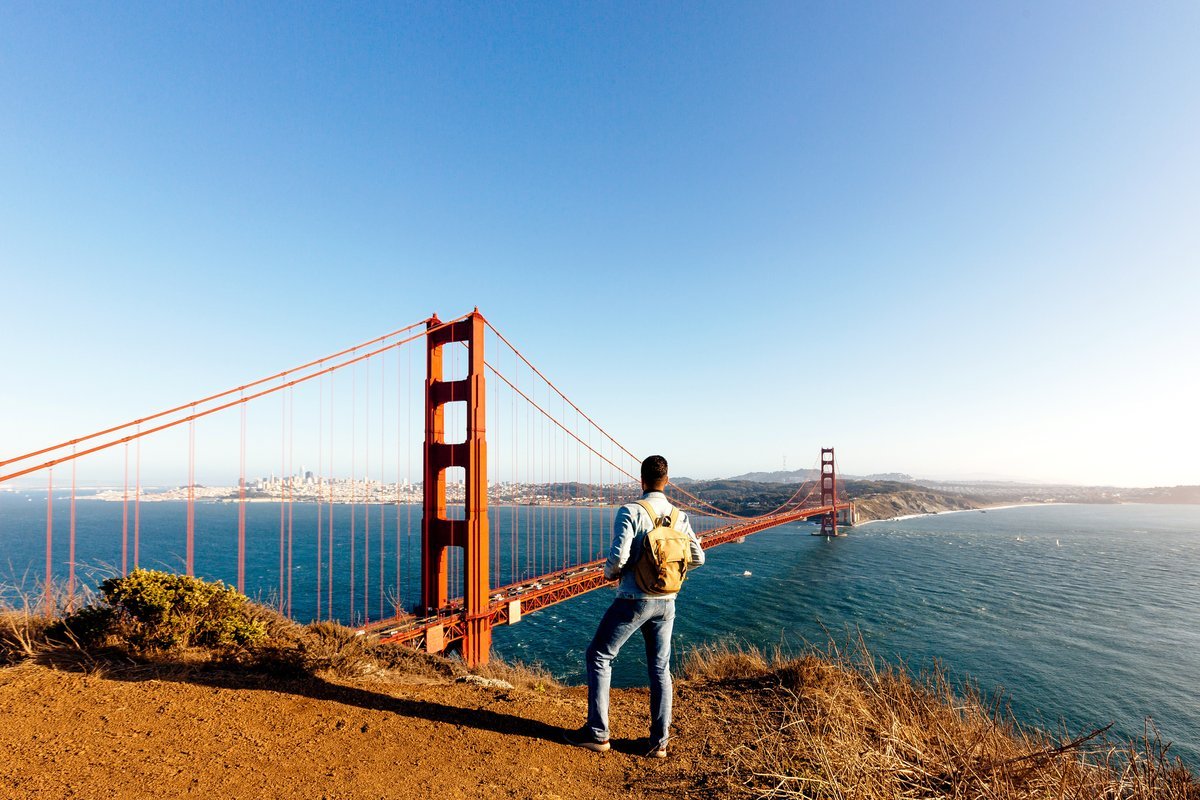
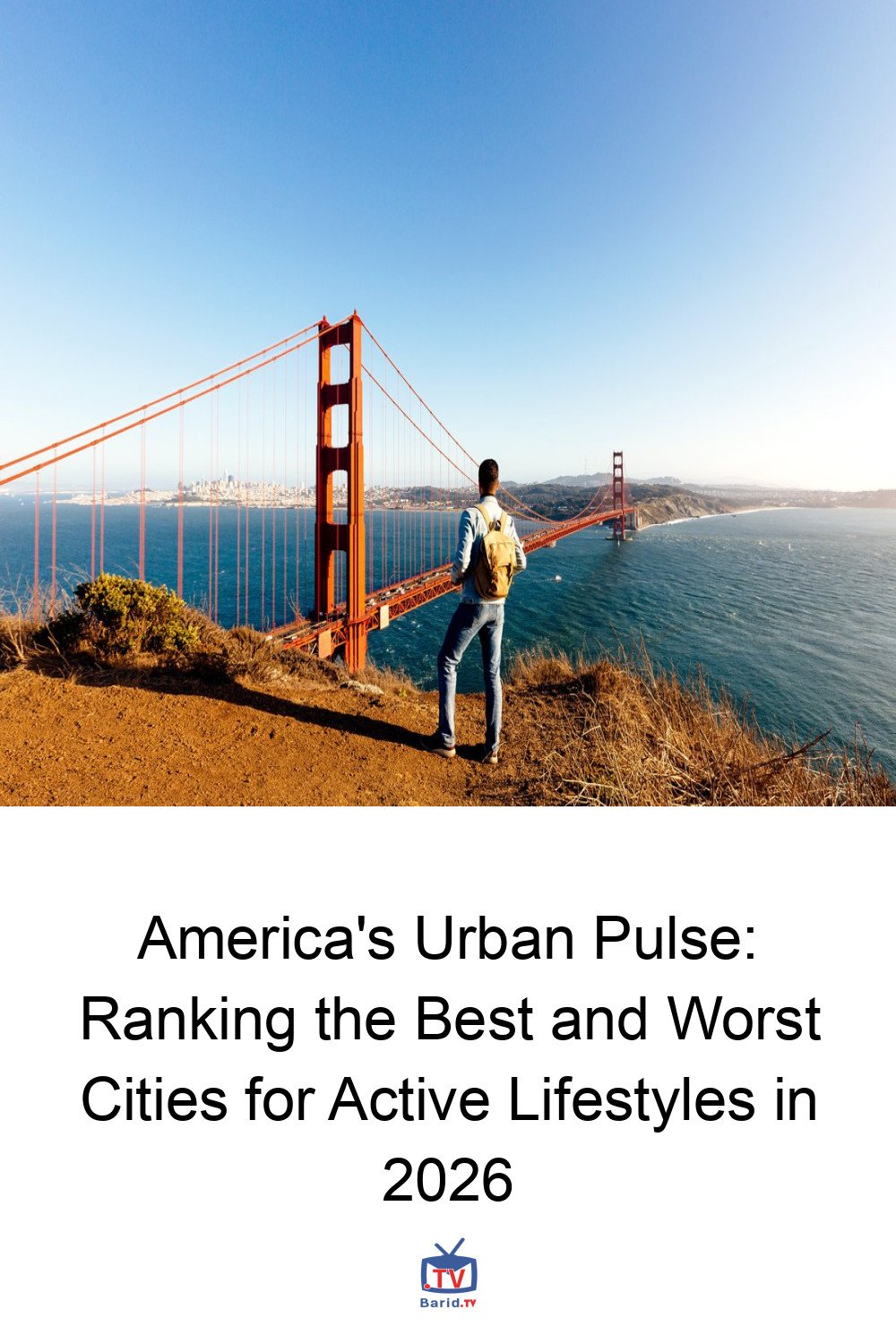
3. San Francisco, California: A Hub for Active Commuters
San Francisco distinguishes itself with the lowest share of physically inactive adults (18.4%) and an impressive 13.3% of workers actively commuting by bike or foot – the highest in the study. With 100% access to exercise opportunities and robust support for cycling and walking, the city fosters an inherently active culture, despite higher fitness club costs.
4. Chicago, Illinois: Infrastructure for Fitness Enthusiasts
Chicago boasts a robust fitness infrastructure, ranking highly for fitness centers per capita and providing 99.16% access to exercise opportunities. The city’s urban design is generally bike-friendly, and tennis court rentals are surprisingly affordable at $13.12. Even with challenging winters, 7.1% of its workforce embraces active commuting.
5. Los Angeles, California: Coastal Access and Affordable Fitness
Los Angeles secures its spot with relatively low average fitness club fees ($47.46 per month) and strong access to recreational facilities, with 97.95% of residents living near parks. Its coastal proximity offers abundant outdoor options, though active commuting remains a growth area, with 3.8% of workers biking or walking to work.
The Bottom 5: Cities Struggling with Active Lifestyles
On the other end of the spectrum, some cities face significant hurdles in promoting physical activity among their residents, often due to a combination of infrastructure, cost, and cultural factors.
1. Garland, Texas: The Least Active Urban Environment
Garland ranks last, with a mere 0.7% of workers actively commuting and a high 29.9% of adults classified as physically inactive. Minimal support for biking and walkable activities underscores the challenges residents face in adopting healthier habits.
2. Irving, Texas: Car-Dependent and Limited Recreation
Irving struggles with active commuting, seeing only 1.2% of workers biking or walking. While access to exercise opportunities is decent at 96.17%, the city’s recreational infrastructure per capita is limited, reinforcing a car-dependent lifestyle for daily activities.
3. Fort Wayne, Indiana: Low Activity, Despite Low Costs
Despite relatively low costs for activities like bowling and fitness clubs, Fort Wayne reports 28.3% of adults as physically inactive and only 1.8% engaging in active commuting. Poor conditions for biking further hinder residents’ ability to embrace an active lifestyle.
4. Fresno, California: High Costs, Weak Infrastructure
Fresno exhibits low active commuting rates (2.0%) and limited access to exercise opportunities (83.79%). High tennis court rental costs ($75 per hour) and weak biking infrastructure contribute to a challenging environment for physical activity.
5. San Bernardino, California: High Inactivity, Low Commuting
San Bernardino faces a high share of physically inactive adults (33.5%) and very low active commuting (1.5%). Access to exercise opportunities is restricted to 86.76%, and overall bike-friendliness is notably low, making it difficult for residents to integrate activity into their daily routines.
Conclusion: Paving the Way for Healthier Urban Living
The WalletHub study provides a critical snapshot of urban wellness in 2026, highlighting the profound impact of city planning, infrastructure, and policy on public health. While some cities excel in fostering environments where active lifestyles flourish, others have significant ground to cover. As urban centers continue to evolve, prioritizing walkability, green spaces, and accessible recreational facilities will be key to building healthier, more vibrant communities for all.
For more details, visit our website.
Source: Link