
“60 Minutes” Deportation Report Finally Airs Amidst Political Firestorm
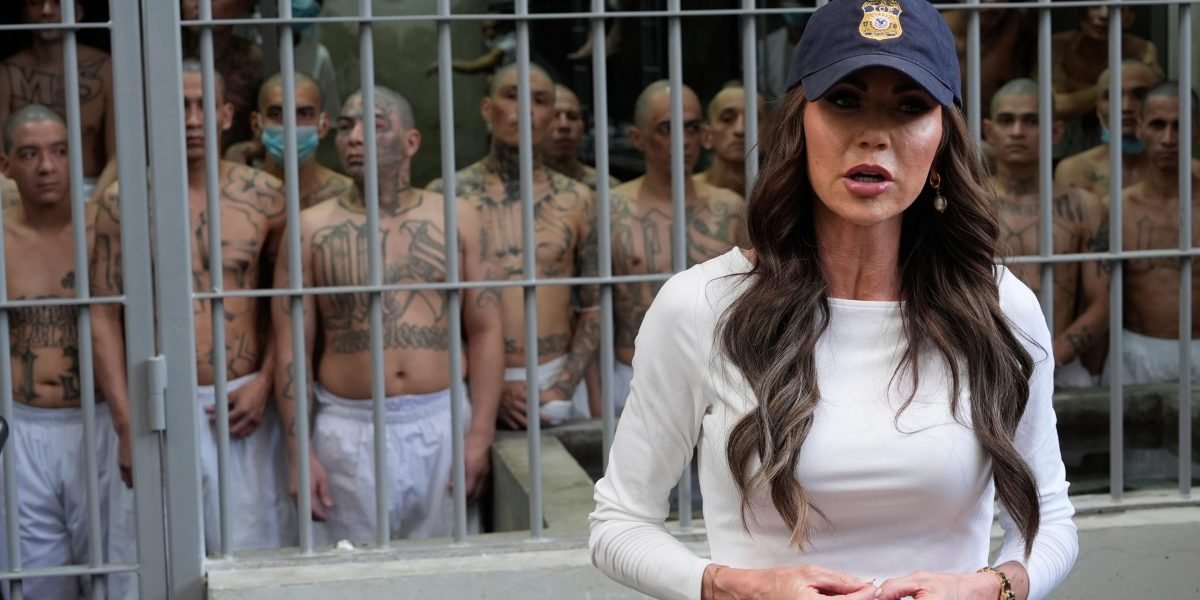
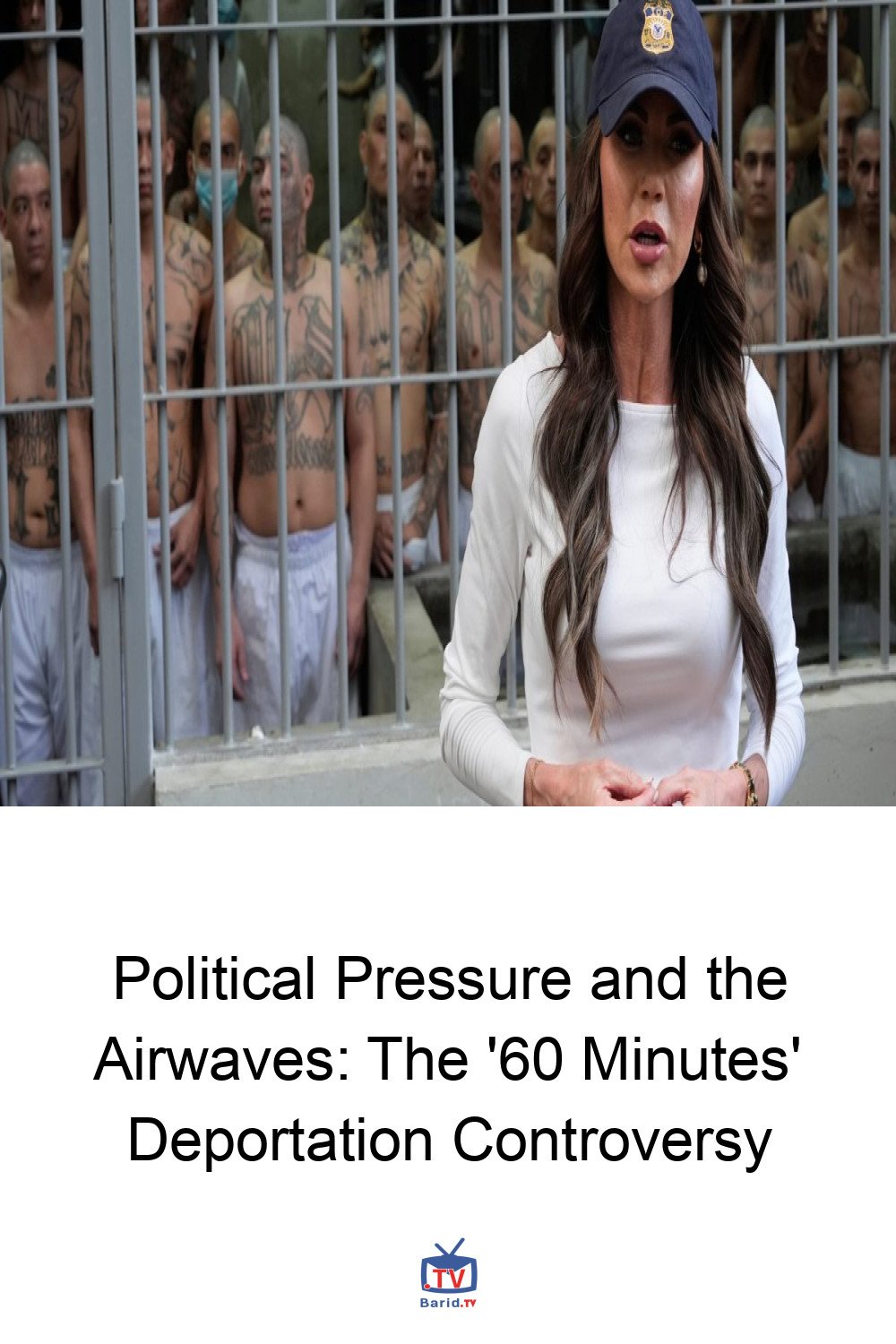
After weeks of internal strife and accusations of political interference, CBS News’s flagship program, “60 Minutes,” has finally broadcast a controversial report on Trump administration deportations. The segment, which delves into the harsh realities faced by deportees in El Salvador’s notorious CECOT prison, was initially pulled from the lineup a month ago, igniting a fierce debate within the network about journalistic independence.
The Pulled Report: A Glimpse into CECOT
Correspondent Sharyn Alfonsi’s original report featured interviews with individuals deported to El Salvador, detailing their experiences within the severe confines of the CECOT prison. The segment, critical of the Trump administration’s policies, was abruptly removed from the December 21st episode. This decision, reportedly made by new CBS News editor-in-chief Bari Weiss, sparked immediate backlash. Alfonsi herself conveyed to her “60 Minutes” colleagues that the move was “not an editorial decision, it was a political one.”
Weiss defended the decision, arguing that the story lacked sufficient representation of the administration’s perspective and failed to incorporate prior reporting from other news organizations. This explanation, however, did little to quell the internal dissent or the public’s growing concern over potential political pressure influencing CBS News’s editorial choices.
Accusations of Political Influence and a Leaked Version
The appointment of Bari Weiss, founder of the Free Press website with no prior television news experience, had already drawn criticism, with many suggesting it signaled an attempt by CBS’s new corporate leadership to appease the Trump administration. Alfonsi further fueled these concerns, stating that administration officials had declined on-camera interviews, a tactic she believed was designed to effectively kill the story.
Adding another layer to the controversy, an earlier, unedited version of Alfonsi’s report mistakenly aired in Canada via Global Television. This accidental broadcast allowed sharp-eyed viewers to compare the original, unvarnished piece with the version CBS eventually put on air, highlighting the changes made to incorporate administration statements.
The Revised Broadcast and Broader Implications
The version of the story that aired on Sunday included statements from the Trump administration, though notably, no new on-camera interviews. It featured a brief clip of then-President Donald Trump remarking that prison operators “don’t play games,” and a statement from White House press secretary Karoline Leavitt justifying the deportations by labeling those sent to CECOT as “heinous monsters, rapists, murderers, sexual assaulters, predators who have no right to be in this country.”
This incident is not isolated. Since Weiss’s arrival, Trump administration officials have reportedly gained increased visibility on CBS News, with Weiss sometimes facilitating these interviews. A notable example includes President Trump’s own interview with Norah O’Donnell on “60 Minutes” in November. More recently, a New York Times report revealed a threat from Leavitt to “sue your ass off” if an interview with Trump by new “CBS Evening News” anchor Tony Dokoupil wasn’t aired in full – an unusual 13-minute unedited broadcast that subsequently took place.
The “60 Minutes” deportation report, and the saga surrounding its broadcast, serves as a stark reminder of the delicate balance between journalistic integrity and the pressures of political influence, raising critical questions about the future of independent news reporting.
For more details, visit our website.
Source: Link