
Kremlin Confirms Putin Invited to Trump’s Gaza ‘Board of Peace’ Amidst Controversy
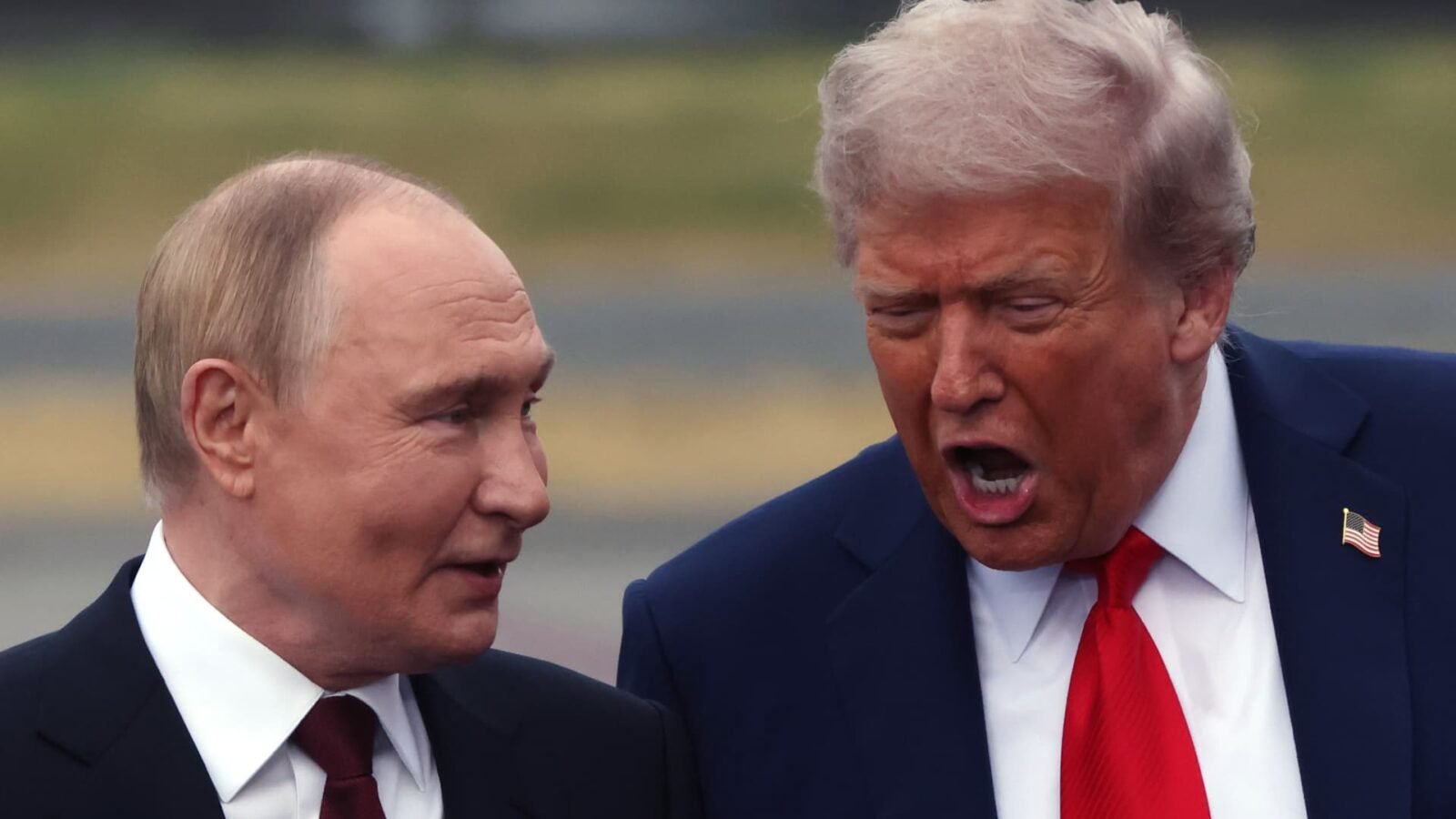
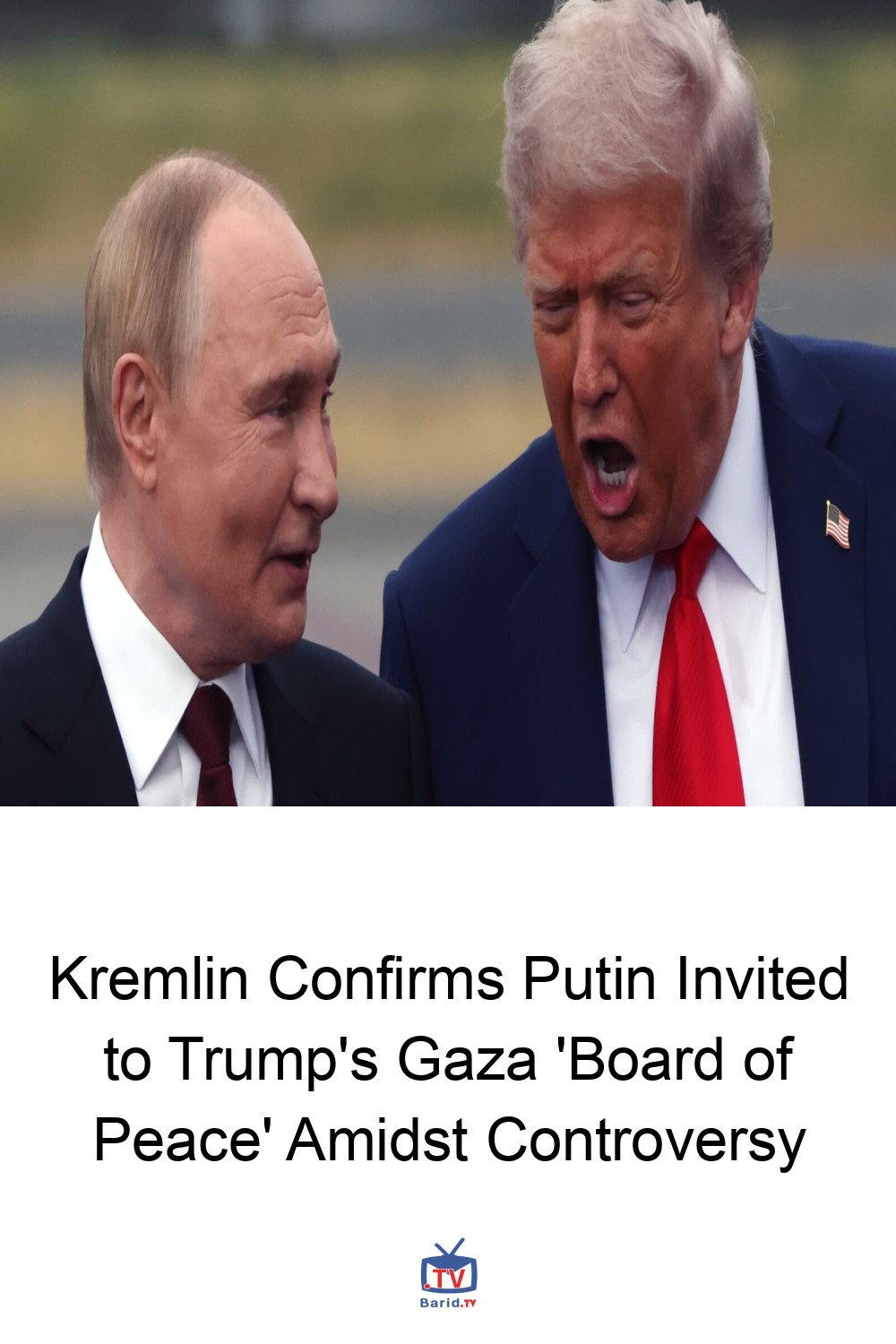
In a development that has sent ripples across the international diplomatic landscape, the Kremlin announced Monday that Russian President Vladimir Putin has received an invitation to join U.S. President Donald Trump’s newly established “Board of Peace” for Gaza. The initiative, designed to oversee the region’s reconstruction and maintain a fragile ceasefire between Israel and Hamas, now faces immediate scrutiny given the controversial nature of some of its proposed members and financial demands.
Kremlin Spokesman Dmitry Peskov confirmed the diplomatic overture, stating that Moscow is currently “studying all the details of this proposal” and hopes to engage with the U.S. side for further clarification. This comes after reports emerged late last year about Trump’s vision for a high-level council to manage the post-conflict scenario in Gaza.
A High-Stakes Diplomatic Gambit for Gaza’s Future
The “Board of Peace” is envisioned as a critical mechanism to ensure the longevity of any ceasefire and to guide the monumental task of rebuilding Gaza following the protracted conflict. However, the proposal comes with a significant financial stipulation: nations reportedly must contribute a staggering $1 billion to secure perpetual membership on the board, according to a draft charter cited by Bloomberg.
Beyond Putin, other prominent world leaders reportedly extended invitations include Canadian Prime Minister Mark Carney and Argentine President Javier Milei. Several other nations, including Hungary, India, Jordan, Greece, Cyprus, and Pakistan, have also reportedly confirmed their invitations, signaling a broad, albeit potentially exclusive, international coalition.
The Putin Paradox: Peace Board Amidst War
The invitation to President Putin, however, is particularly contentious. His leadership of Russia’s ongoing war against Ukraine, which has resulted in hundreds of thousands of casualties and widespread devastation nearing its fourth anniversary, casts a long shadow over his potential role in a body dedicated to peace and reconstruction. Critics are quick to highlight the apparent contradiction of a leader embroiled in a major conflict being tasked with overseeing peace efforts elsewhere.
While the White House has yet to officially confirm Putin’s invitation, the news has already sparked considerable debate among international observers and policymakers.
Israel’s Discontent and the Executive Board
Adding another layer of complexity, Israel has expressed strong dissatisfaction with the unfolding of the “Board of Peace” initiative. Prime Minister Benjamin Netanyahu’s office released a statement on Friday, asserting that the announcement regarding the composition of the Gaza Executive Board – a subordinate body to the main Board of Peace – was “not coordinated with Israel and runs contrary to its policy.”
The U.S. has already named members to a “founding Executive Board” of the council, a list that includes former U.K. Prime Minister Tony Blair, Trump’s son-in-law Jared Kushner, and U.S. Secretary of State Marco Rubio, among others. Israel’s apparent exclusion from the coordination process for this crucial body underscores potential challenges to the board’s legitimacy and effectiveness on the ground.
As the world watches, the “Board of Peace” initiative, with its ambitious goals, steep financial demands, and controversial guest list, promises to be a focal point of international diplomacy in the months to come.
— CNBC’S Kate Dore contributed reporting to this story.
For more details, visit our website.
Source: Link