
Evolution of AFCON Trophy: A Complete Guide
The Africa Cup of Nations (AFCON) is one of the most prestigious international football tournaments in Africa, with a rich history dating back to 1957. Over the years, the AFCON trophy has undergone several transformations, reflecting the growth and evolution of the tournament. In this article, we will take you on a journey through the history of the AFCON trophy, from its humble beginnings to its current design.
The First AFCON Trophy (1957-1974)
The first AFCON trophy was designed by the Egyptian craftsman, Abd El-Rahman Fawzi, and was made of silver and gold. The trophy was 30 cm high and weighed 7 kg. The first AFCON tournament was held in Sudan in 1957, and Egypt won the inaugural title.
- Design: Silver and gold
- Height: 30 cm
- Weight: 7 kg
- Years used: 1957-1974
The Second AFCON Trophy (1976-1992)
In 1976, the AFCON trophy was redesigned by the Egyptian craftsman, Ali El-Guindi. The new trophy was made of silver and gold, with a height of 45 cm and a weight of 10 kg. The design featured five African animals: a lion, an elephant, a giraffe, a zebra, and a crocodile.
- Design: Silver and gold
- Height: 45 cm
- Weight: 10 kg
- Years used: 1976-1992
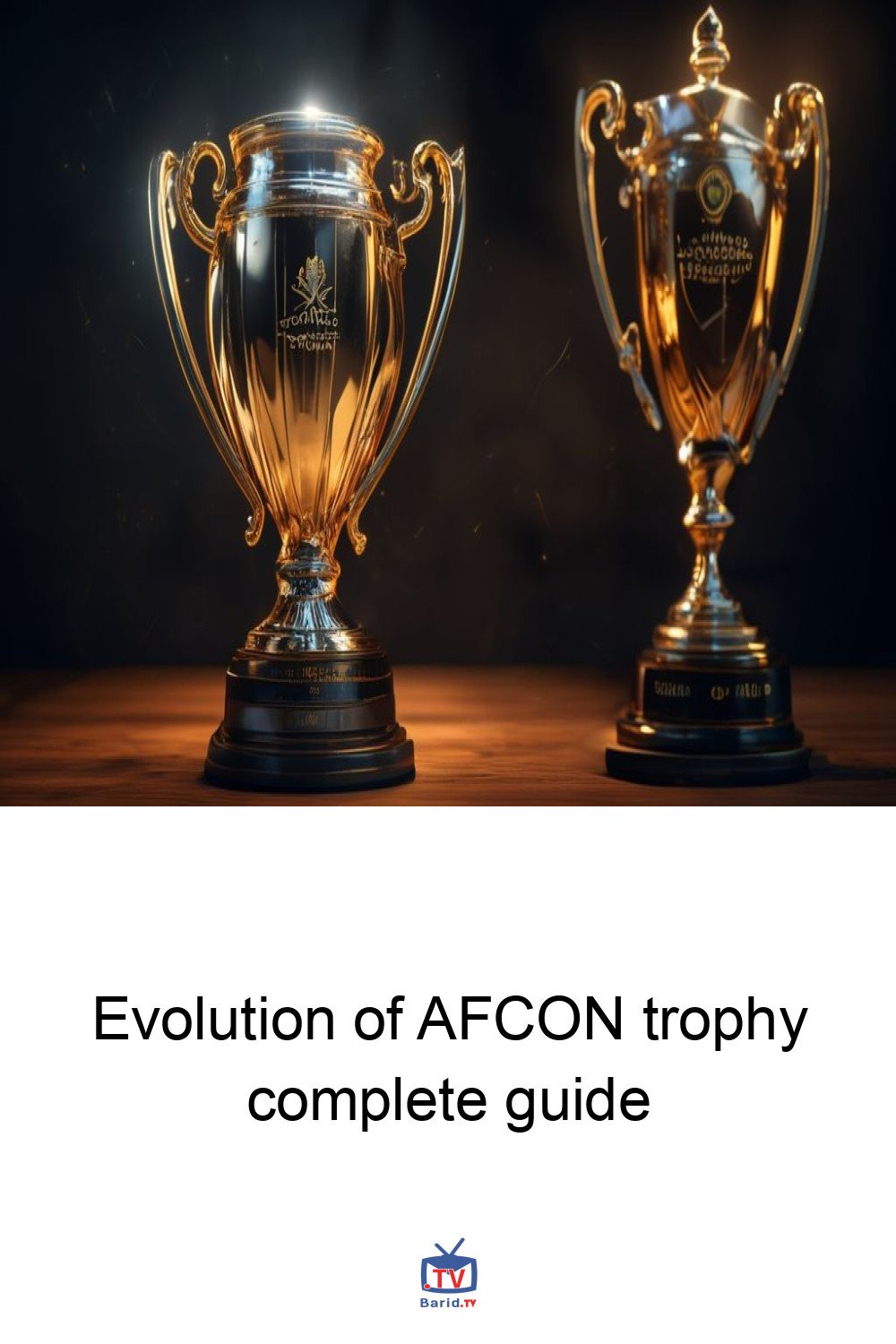
The Current AFCON Trophy (1994-present)
The current AFCON trophy was designed by the South African craftsman, Sello Mokgalaka, and was introduced in 1994. The trophy is made of silver and gold, with a height of 41.5 cm and a weight of 6.5 kg. The design features a silhouette of an African lion, symbolizing the strength and pride of the African continent.
- Design: Silver and gold
- Height: 41.5 cm
- Weight: 6.5 kg
- Years used: 1994-present
The AFCON trophy has undergone significant changes over the years, reflecting the growth and evolution of the tournament. From its humble beginnings to its current design, the trophy has become an iconic symbol of African football.