

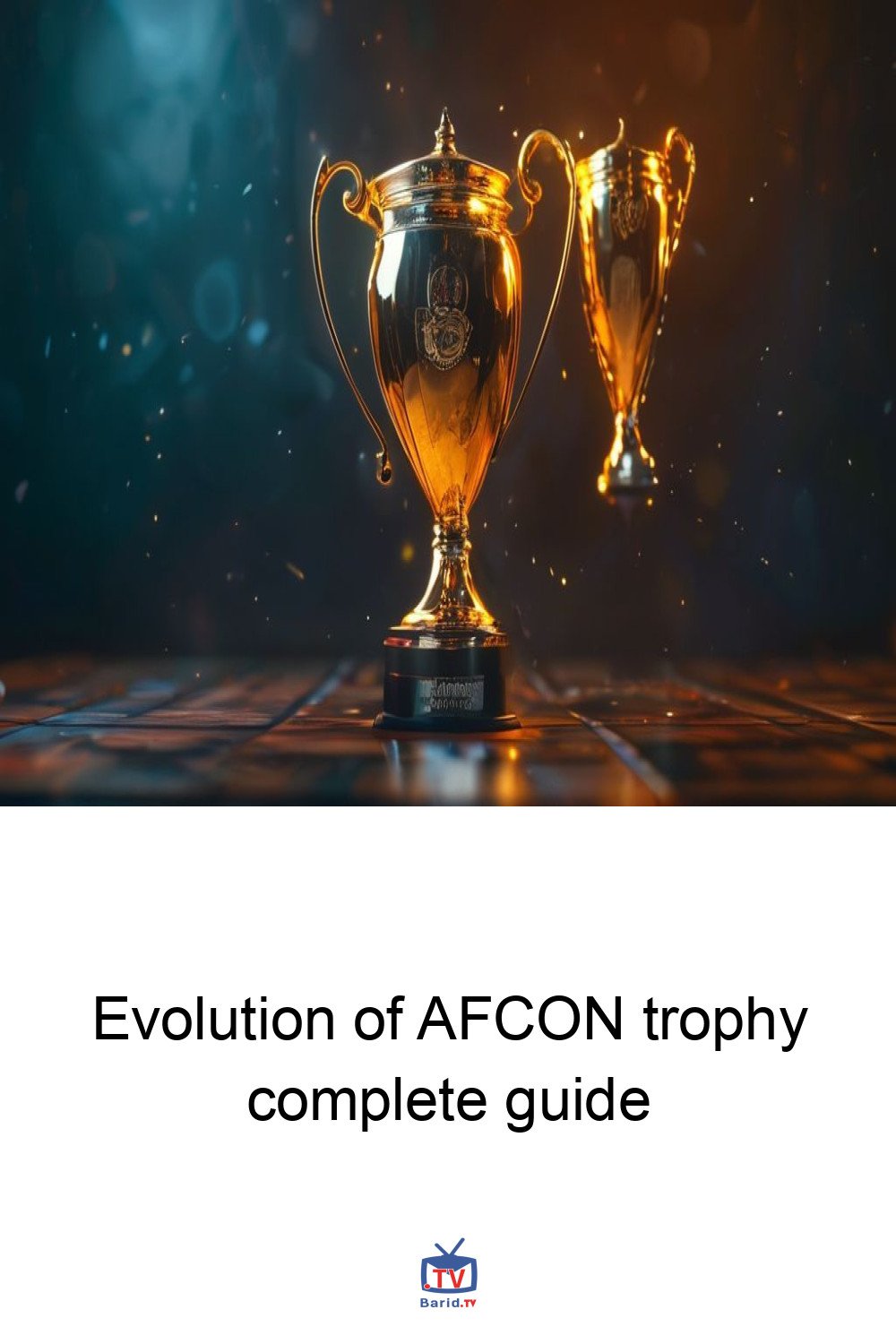
Evolution of AFCON trophy: A Complete Guide
A Brief History of the AFCON Trophy
The African Cup of Nations (AFCON), formerly known as the African Nations Cup, is the premier international football tournament in Africa. The competition was first held in 1957 in Sudan, and it has been held every two years since then. The AFCON trophy has undergone several changes over the years, reflecting the growth and evolution of the tournament.
Early Years (1957-1974)
The first AFCON trophy was made of silver and weighed 2.5 kg.
- The trophy was designed by the Egyptian jeweler, Hassan Moussa.
The original trophy was won by Egypt, who defeated Ethiopia 4-0 in the final.
Introduction of the New Trophy (1974-1992)
- In 1974, the CAF (Confederation of African Football) introduced a new trophy, which was designed by the South African jeweler, Peter Nicol.
- The new trophy was made of gold and weighed 4.5 kg.
- The first winner of the new trophy was Zaire (now known as the Democratic Republic of Congo), who defeated Guinea 3-2 in the final.
Modernization of the Trophy (1992-Present)
- In 1992, the CAF introduced a new trophy, which was designed by the French jeweler, Baccarat.
- The new trophy is made of gold and weighs 6 kg.
- The current trophy features 26 carats of gold and is valued at around $100,000.
Design and Features of the Current Trophy
The current AFCON trophy is a symbol of excellence and achievement in African football. It features a unique design that reflects the rich cultural heritage of the continent. The trophy is made of gold and features 26 carats of gold, making it one of the most valuable trophies in international football.
Conclusion
The evolution of the AFCON trophy is a testament to the growth and development of African football. From its humble beginnings in 1957 to the current modern design, the trophy has undergone significant changes over the years. Today, the AFCON trophy is a symbol of excellence and achievement in African football, and it continues to inspire and motivate players and teams from across the continent.