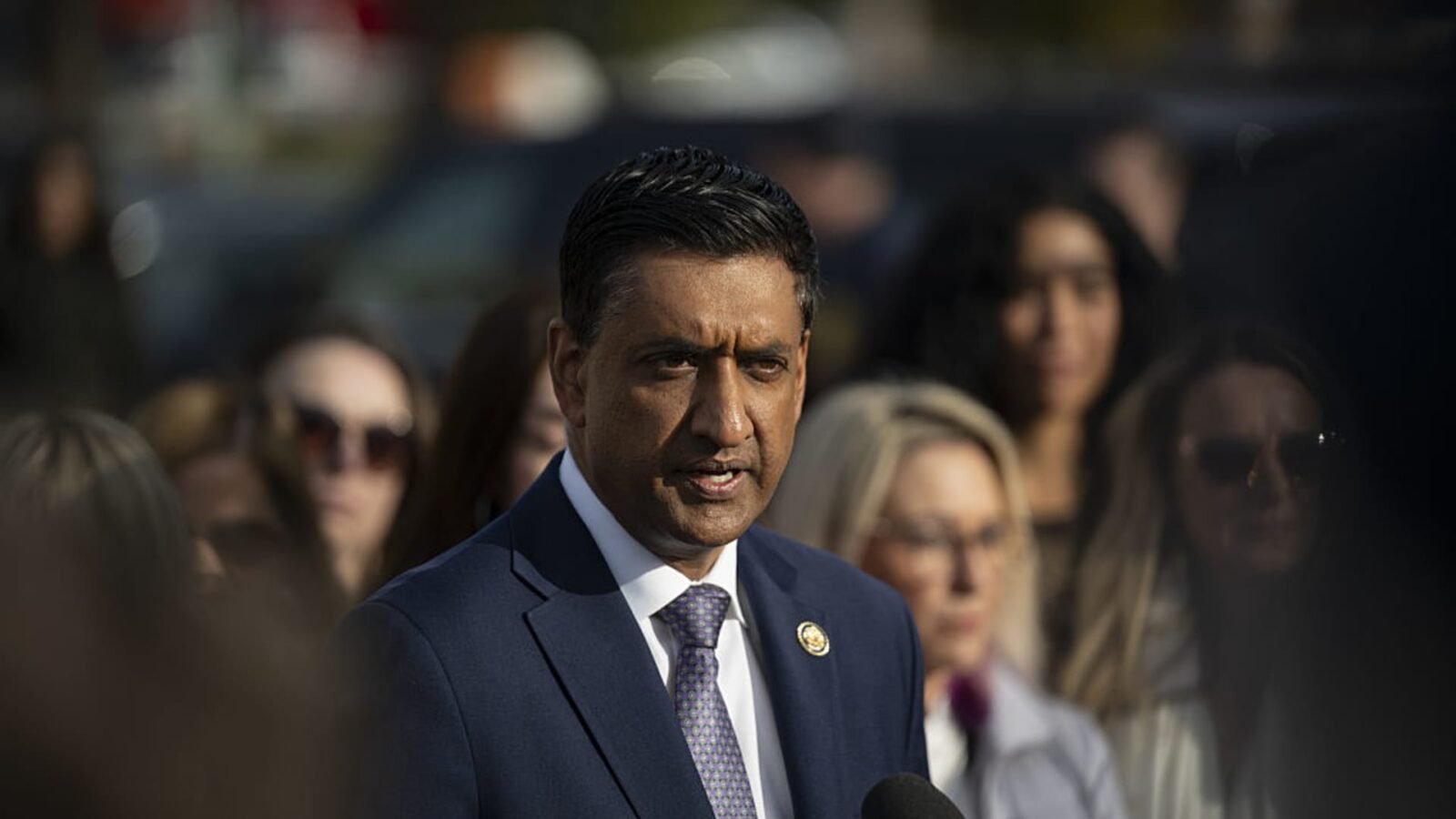

In an increasingly polarized political landscape, an unexpected convergence of interests is emerging around a critical issue: the escalating crisis of housing affordability. California Democrat Representative Ro Khanna has reintroduced a landmark bill aimed at reining in institutional investors from dominating the single-family housing market, a move that surprisingly echoes recent populist calls from former President Donald Trump.
Reclaiming the Dream of Homeownership
For many Americans, the dream of owning a home feels more distant than ever. A significant factor contributing to this challenge is the aggressive acquisition of single-family homes by large institutional investors, often referred to as “corporate landlords.” These entities, with their vast capital, outcompete individual buyers, inflate prices, and convert once-accessible housing into rental portfolios, fundamentally altering the fabric of communities.
Khanna’s Bold Legislative Strike: The ‘Stop Wall Street Landlords Act’
Representative Ro Khanna’s reintroduced legislation, dubbed the “Stop Wall Street Landlords Act,” is designed to directly confront this trend. While the full text is pending, Khanna’s office has outlined key provisions:
Targeting Investor Tax Breaks
- The bill would eliminate crucial home-related tax advantages for large institutional investors, including deductions for mortgage interest, insurance, and depreciation. This aims to level the playing field, making speculative investment less financially appealing.
Restricting Mortgage Market Access
- Federal and government-backed agencies like Fannie Mae and Freddie Mac would be mandated to prohibit large institutional investors from purchasing mortgages on single-family homes. This would limit their ability to finance large-scale acquisitions through conventional channels.
Imposing a Steep Transfer Tax
Perhaps the most impactful measure, the bill proposes a real estate transfer tax equivalent to 100% of a home’s sale value for large institutional investors selling single-family homes more than 18 months after the bill’s enactment. This punitive tax is intended to discourage long-term speculative holdings.
Previous iterations of the bill defined a “large institutional investor” as a person or firm with assets exceeding $100 million, a threshold likely to remain in the current version.
Trump’s Populist Pivot: An Unlikely Ally?
What makes Khanna’s reintroduction particularly noteworthy is its timing, following a similar declaration by Donald Trump. On January 7th, Trump announced via Truth Social his intention to “immediately tak[e] steps to ban large institutional investors from buying more single-family homes.” This statement is part of a broader series of populist economic proposals from Trump, seemingly aimed at addressing voter concerns about affordability as he navigates a challenging political landscape ahead of the 2026 midterm elections. Recent polls, showing significant disapproval of his economic handling, underscore the urgency of such messaging.
Khanna has openly welcomed Trump’s support, stating, “If President Trump is serious about taking on Wall Street landlords, Congress should pass my bill and he should sign it into law. Homes should be owned by people, not wealthy corporate landlords who are buying up single-family homes and pushing the dream of homeownership out of reach for too many Americans.” He even expressed willingness to collaborate directly, “If he calls me up, I’ll help lead the bill.”
The Path Forward: Bipartisan Potential?
While Khanna’s bill currently boasts 13 Democratic co-sponsors, Trump’s unexpected endorsement could potentially galvanize support from some House Republicans. The confluence of a progressive Democrat and a populist Republican on this issue suggests a rare opportunity for cross-party legislative action. Trump is expected to elaborate further on his housing and affordability proposals during his upcoming speech at the World Economic Forum in Davos.
The debate over institutional homeownership highlights a fundamental tension between market forces and social equity. As both sides of the political spectrum acknowledge the problem, the question remains whether this shared concern can translate into meaningful, bipartisan solutions that restore the dream of homeownership for millions of Americans.
For more details, visit our website.
Source: Link