

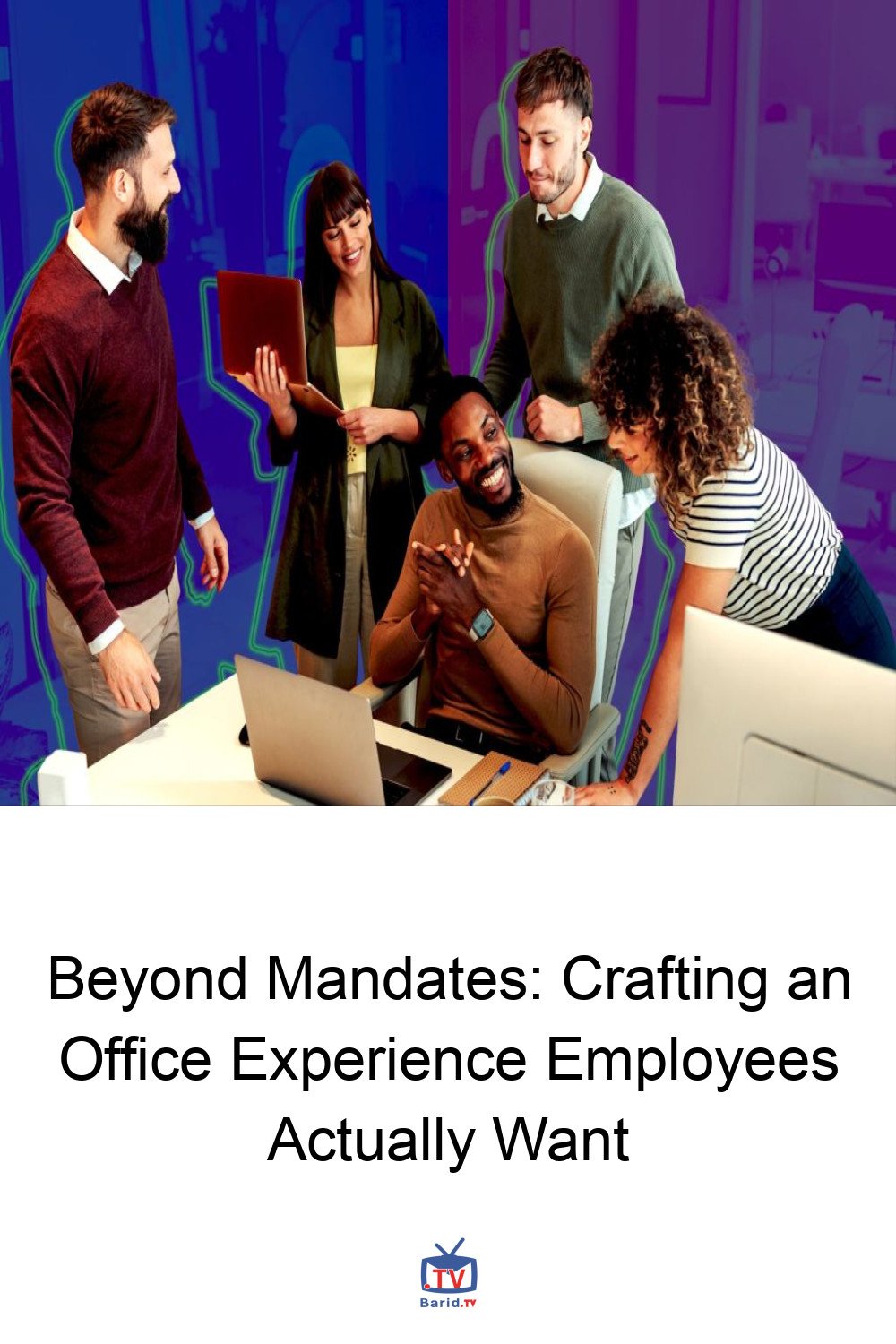
The Great Return-to-Office Tug-of-War: Why Mandates Miss the Mark
Across the corporate landscape, a silent battle is raging. On one side, companies, eager to reclaim pre-pandemic norms, issue increasingly firm return-to-office (RTO) mandates. On the other, a workforce, accustomed to the flexibility and benefits of remote work, pushes back. From the hallowed halls of the New York Times to the tech giant Microsoft, the call for in-person attendance has grown louder, yet its effectiveness remains questionable. As the Wall Street Journal reports, many RTO directives have had little impact on actual attendance, with employees often opting out.
“There’s a lot more pressing things for companies to be worrying about right now,” observes Beth Steinberg, a seasoned tech-industry human-resources executive. This sentiment underscores a critical truth: if compelling employees back to the office feels like an uphill battle against a stubborn mule, perhaps the problem isn’t the workforce, but the underlying strategy. An office, at its best, should be a vibrant community, not a punitive obligation. The real question for leaders isn’t how to enforce presence, but why anyone would genuinely desire to be there.
The Flawed Logic of Forced Returns
Superficially, an RTO mandate appears straightforward: issue the command, and compliance will follow. The reality, however, is far more complex. Many professionals are no longer willing participants in what’s often termed ‘productivity theater’ – a performance where visible effort trumps actual accomplishment. Detractors of mandates are quick to cite compelling data: one study reveals that 61% of employees report higher productivity levels when working from home, not to mention the invaluable gains in commute time, reduced distractions, and an improved work-life balance.
More profoundly, heavy-handed policies erode the very foundation of trust. RTO mandates are not dialogues; they are directives, implicitly communicating a lack of faith in employees’ ability to be productive without constant physical oversight. This perceived lack of autonomy chips away at morale, wreaking havoc on engagement and loyalty. Far from fostering collaboration, such mandates can leave workers feeling micromanaged and undervalued, turning the office into a place of resentment rather than innovation.
Beyond the Mandate: Cultivating a Desirable Office Experience
One might assume, given the critique above, that I am a staunch advocate for permanent remote work. On the contrary. At Jotform, we embraced a return to office life as soon as it was safely feasible post-pandemic. However, this decision wasn’t born from distrust or a desire for micromanagement. Instead, it emerged from candid discussions with my teams, who expressed a genuine longing for face-to-face collaboration and admitted to feeling less productive and more isolated at home.
Our system of small, cross-functional teams thrives on dynamic brainstorming sessions, which have historically fueled our most successful innovations. Weekly demo days, designed to push teams towards tight deadlines and creative solutions, lost significant momentum amidst the technical glitches and domestic interruptions inherent in remote setups. While not every employee was champing at the bit to return, the impact was undeniable: a surge in productivity, a palpable lift in morale, and a flourishing of collaboration that Zoom simply couldn’t replicate.
This is the crucial insight many leaders overlook: employees don’t reject the office because they dislike working; they reject it when it fails to add tangible value to their professional or personal lives. If the trade-off for a lengthy commute is sterile fluorescent lighting, endless unproductive meetings, and a stifling lack of autonomy, resistance is a natural response. But when the office becomes a catalyst for what cannot be replicated remotely – genuine collaboration, invaluable mentorship, and a profound sense of shared purpose – it transforms into a destination worth the journey.
Reimagining the Office: A Blueprint for Leaders
While mandates falter, the solution isn’t to abandon in-person work entirely. It’s to fundamentally redesign the office experience, making it a place employees genuinely want to be.
Purpose-Driven In-Person Days
Every day spent in the office should have a clear, compelling purpose. Employees should not be commuting merely to participate in video calls they could easily join from home. Leaders must anchor in-person attendance around activities that inherently benefit from physical presence: product demos, intensive brainstorming sessions, mentorship opportunities, or collaborative workshops – experiences that lose their vibrancy and effectiveness when mediated by a screen.
Fostering Authentic Community
Beyond structured work, community is paramount. While not everyone relishes water cooler small talk, a robust workplace culture often blossoms in spontaneous, unplanned moments. These can be as simple as a quick desk-side feedback request, an impromptu coffee break with a colleague, or the shared energy of a team celebration. Creating spaces and opportunities for these organic interactions is vital for building connection and a sense of belonging.
Empowering Autonomy and Trust
Ultimately, the most effective strategy is built on trust. Leaders must empower employees with autonomy, demonstrating confidence in their ability to manage their work and choose the environment that best supports their productivity. By focusing on outcomes rather than mere presence, and by actively enhancing the office’s value proposition, organizations can transform a contentious mandate into an attractive proposition, fostering a truly engaged and high-performing workforce.
For more details, visit our website.
Source: Link